I’ve laid gravel blankets across driveways and garden beds, and you feel the grit bite your gloves as you roll it out. *You get instant drainage and firm ground underfoot.* Water slips through fast and the surface stays steady. Think of it as a quiet workhorse that keeps mud in check.
You can set it in place with basic tools and a bit of sweat. I like how it hugs the soil and stays put through rain and heat. *Pick the right weight and you gain long wear across seasons.* It suits paths and patios where you want clean lines and less fuss. Like a good pair of boots, it carries the load day after day.
What you’ll notice right away
- *Firm footing*, even after heavy rain
- *Cleaner beds*, with fewer weeds pushing through
- *Quick install*, roll it out and secure the edges
- *Breathable layer*, water drains and soil stays healthy
You still want to check material and thickness before you buy. Those choices shape how it feels and how long it lasts.
VEVOR 6x100ft Heavy Duty Non-Woven Geotextile Fabric 8oz
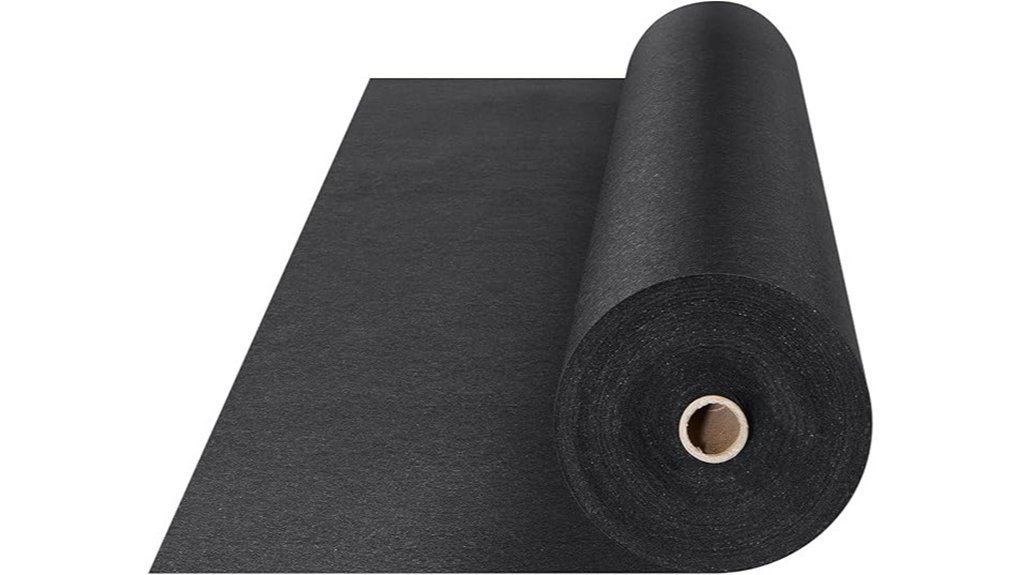
If you’re building a driveway or fixing soft ground, I’ve put this VEVOR fabric through real dirt and gravel. It feels thick in your hands and slightly rough like felt. You hear a dull crunch as gravel settles on top. That’s a good sign. It means grip.
The 8oz polypropylene build gives real backbone. I’ve dragged it over sharp stones and it held firm. The 350N tensile strength adds muscle where you need it most. Think of it as a shield that keeps your base layer locked in place.
Water flow matters. This fabric lets water pass through fast while holding soil tight. I saw puddles fade quicker after rain. Your base stays stable and clean. That balance is the secret sauce.
Install feels simple. You roll it out and cut with a knife. It bends without fighting you. The needle punched design keeps it flexible yet steady under weight. Like a good work glove, it fits the job.
Best For:
You want strong ground support for driveways or drainage. I’d use it for French drains, gravel paths, and long runs that need lasting strength.
Pros:
- Thick 8oz non woven fabric with 350N tensile strength that resists tears
- High permeability that moves water while filtering soil and gravel
- Large 6×100 ft roll that covers wide areas with fewer seams
Cons:
- Heavy roll takes effort during solo installs
- Better suited for big jobs than small garden beds
- Ground prep still drives long term results
EXTRAEASY 17in x 100ft Weed Barrier Fabric
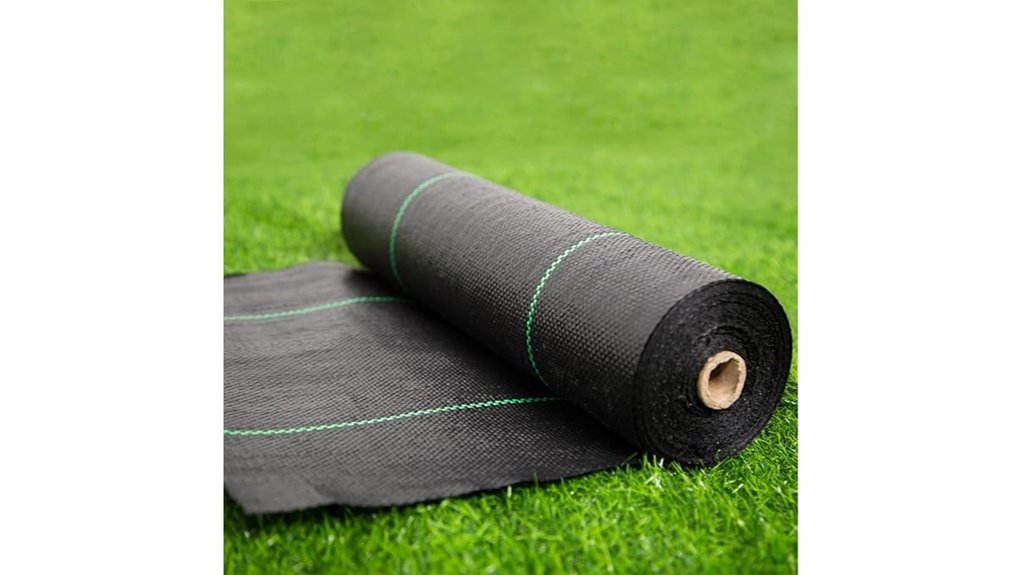
Garden beds with tight rows need control. I’ve used this 17 inch weed barrier in narrow plots and it fits like a glove. The fabric feels firm in your hands. It has a slightly rough weave you can grip with ease. You roll out 100 feet of 3.2 ounce woven polypropylene that blocks weeds and still lets water soak through.
Water flows right in. Soil stays cool and moist. Roots breathe with ease. That balance keeps plants happy. I laid it along a gravel path and heard that soft crunch underfoot. No weeds pushing through. It holds its ground like a quiet guard.
Cutting feels simple. A pair of scissors glides through. You shape it around plants with clean edges. The narrow width saves material in tight beds. No waste piling up. That matters in small garden rows and edging lines.
You also get peace of mind. The fabric uses an eco friendly, chemical free design. A one year warranty backs it up with replacement support. It feels light in the roll yet tough on the ground. Setup takes minutes and you get straight to planting.
Best For:
You want clean rows in vegetable beds. You want tidy edges along paths. This fits tight spaces like a key in a lock.
Pros:
- Thick 3.2 oz woven fabric blocks weeds and lets water pass
- Slim 17 inch width fits narrow beds and cuts waste
- Light feel with easy cuts and quick install
Cons:
- You may need several strips for wide areas
- Pins or staples help hold it flat
- Heavier fabrics suit extreme ground use better
Heavy Duty Weed Barrier Landscape Fabric 4x100FT
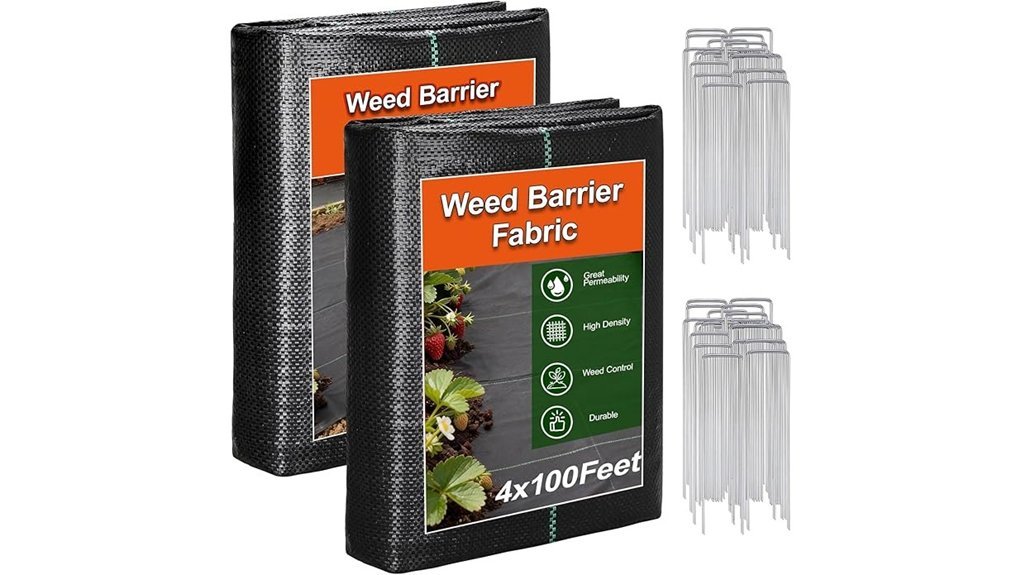
For big jobs, I reach for this 4x100FT *weed barrier*. It rolls out fast and feels tough in your hands. The fabric has a slight plastic smell at first, then fades. You get wide coverage in one go, like laying a clean canvas over soil.
The 3.2 oz *woven polypropylene fabric* feels thick and slightly coarse. I tried to tear it by hand. It held firm. It sits flat under gravel and stays put once pinned. Sunlight stops at the surface, so weeds never get their chance. Water still flows through with a soft hiss, and soil stays moist below.
Cutting feels easy with basic scissors. The green guide lines keep your cuts straight. I like that detail. The included steel staples bite into the ground with a solid crunch. At 8 pounds, you can carry it without a struggle. It works well for driveways, beds, and long garden rows.
*Best For*
You want wide coverage for gravel driveways or large beds. You want steady weed control that lasts through seasons.
*Pros*
- Thick 3.2 oz woven polypropylene fabric, strong and tear resistant
- Blocks sunlight while water and nutrients pass through
- Simple install with guide lines and steel staples
*Cons*
- Large areas call for extra staples for a tight hold
- Four foot width leads to overlap on wide spaces
- Fabric shows in decorative beds with light mulch
I’ve used it across a long driveway stretch, and it held like a quiet guard dog. Set it once, then let it do its job.
40FT HDPE Geocell Gravel Grid Driveway Stabilizer Kit
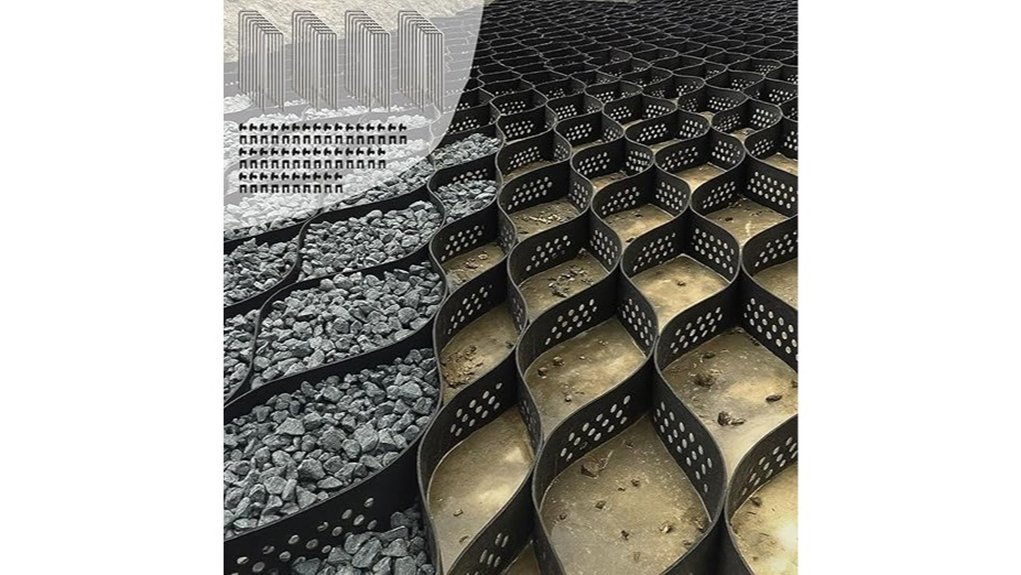
Homeowners who want a tough driveway base will like this HDPE geocell grid. I laid this out on loose gravel and felt the plastic snap open with a firm click. It feels solid in your hands. Almost like thick rubber with grit.
You get a full 40FT system built from high density polyethylene. It supports up to 1990 lbs per square foot, so your truck stays level instead of sinking. Think of it like a waffle that grips every stone. Once filled, the grid holds gravel tight and stops that annoying crunch and slide under tires.
The honeycomb expands fast, and you can place each 4 ft by 13.3 ft section with ease. I staked it down and heard the anchors bite into the soil. That sound tells you it’s locked in. The 2 inch cells pack gravel firmly and help water drain through instead of pooling on top.
Rain hits. Water flows. The surface stays firm like a well packed trail.
You can use this for driveways, parking pads, or paddocks. It keeps mud away and cuts down on maintenance over time.
Best For:
Property owners who want a long lasting gravel driveway or parking area that stays flat with low upkeep.
Pros:
- High load strength, handles vehicles without sinking
- Grid structure grips gravel, reduces spread and erosion
- DIY friendly kit, includes stakes and buckles
Cons:
- Base prep affects final feel and stability
- 2 inch depth suits residential use best
- Large areas take time and effort to install
Quick Specs:
- Material: HDPE geocell
- Coverage: 40FT system
- Cell depth: 2 inches
- Section size: 4 ft by 13.3 ft
- Load rating: 1990 lbs per square foot
If your driveway turns into a gravel mess after rain, this grid acts like a firm handshake between soil and stone. It holds everything in place and keeps your surface clean and stable.
Super Geotextile 8 oz Non Woven Fabric 6×100
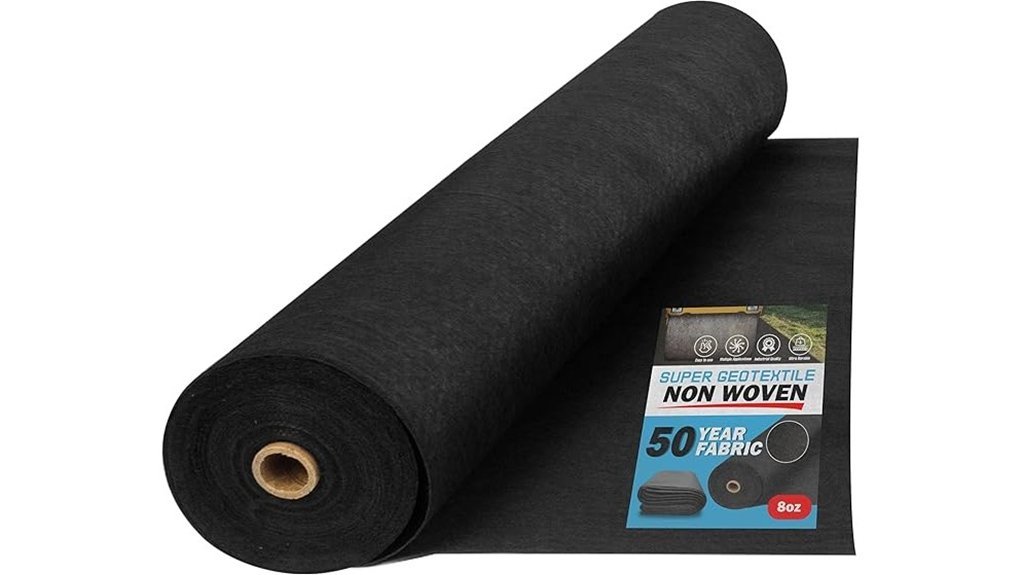
Serious DIYers and contractors get real value from this 8 oz 6×100 *heavy duty roll*. I’ve laid this fabric under gravel and it feels thick and slightly rough in your hands. It grips the soil like a workhorse. You can trust the *non woven fabric* to hold shape and support load over time. It handles sun exposure, moisture, and soil contact without fuss. Think of it as a shield that keeps your base layers in line.
Cutting feels clean and quick. A sharp utility knife glides through with a soft tearing sound. You waste less material and keep edges tidy. I’ve used it for French drains, retaining walls, and pond underlayment. It adapts well across jobs and keeps installs smooth. The 30 pound roll feels solid yet balanced in your arms. You carry it without strain and roll it out with control.
Water flows through while soil stays put. That balance improves drainage and keeps gravel layers stable. Your system stays cleaner and lasts longer. It works like a quiet filter that does its job day after day.
*Best For:* You want a durable geotextile for landscaping, drainage, and construction that lasts.
*Pros:*
- Thick 8 oz fabric adds strength and long service life
- Handles UV light and moisture for outdoor use
- Supports drainage, erosion control, and base stabilization
*Cons:*
- 30 pound roll feels heavy during solo installs
- Strong build suits medium to large projects best
- Warranty details need clearer listing upfront
Towallmark Heavy Duty Geotextile Fabric 4×50 ft
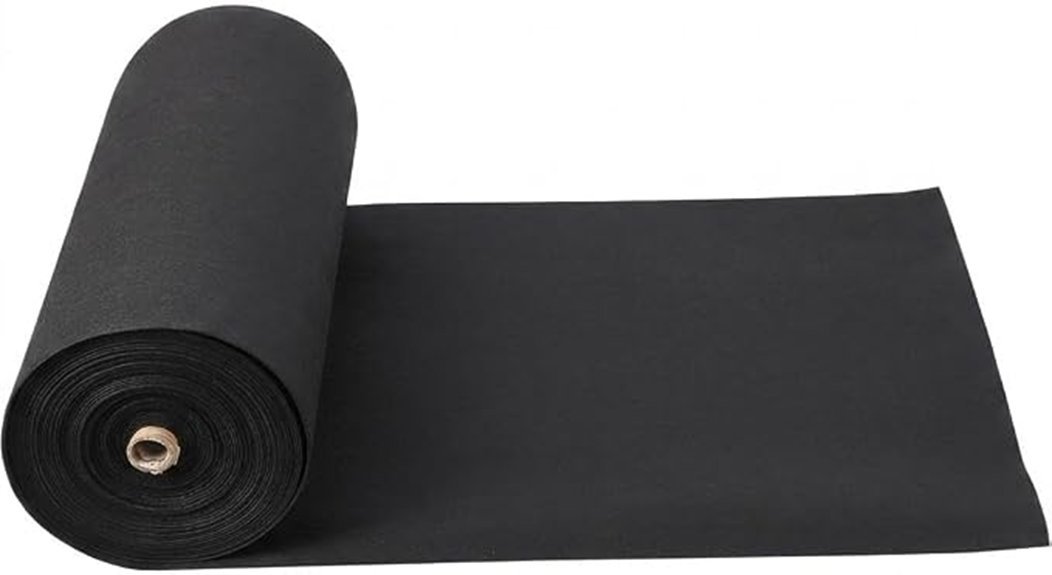
Built for real job sites, I’ve rolled this fabric out on gravel that chews up weak cloth. It feels thick in your hands and slightly coarse like a stiff felt. You get heavy duty ground separation that holds its line like a workhorse.
This 6 oz non woven polypropylene packs 350N tensile strength and 440N load capacity. I’ve seen it take sharp rock without a whimper. Water slips through fast while soil stays put, think of it like a coffee filter for your driveway. You lay it under concrete or behind a retaining wall and it keeps layers clean and stable.
Cutting feels easy with a utility knife. The 4×50 roll carries well and unrolls without a fight. Once covered, it delivers long term performance that you can trust season after season.
Best For
You want solid drainage and soil separation for driveways, French drains, or retaining walls. I’d grab it for homeowner builds and contractor jobs alike, it hits the sweet spot like a well tuned tool.
Pros:
- 6 oz non woven fabric with high strength for lasting use
- Great water flow while it blocks soil mixing
- Works for driveways, walls, drains, and weed control
Cons:
- Needs gravel or mulch cover for UV life
- 4 ft width calls for overlaps on wide areas
- Lighter than premium commercial mats for extreme loads
Quick Specs:
- Material, polypropylene non woven
- Weight, 6 oz fabric
- Tensile strength, 350N
- Load capacity, 440N
- Roll size, 4 ft x 50 ft
If you want a fabric that installs fast and holds firm, this one earns its keep.
13x120FT Heavy Duty Driveway Weed Barrier Fabric
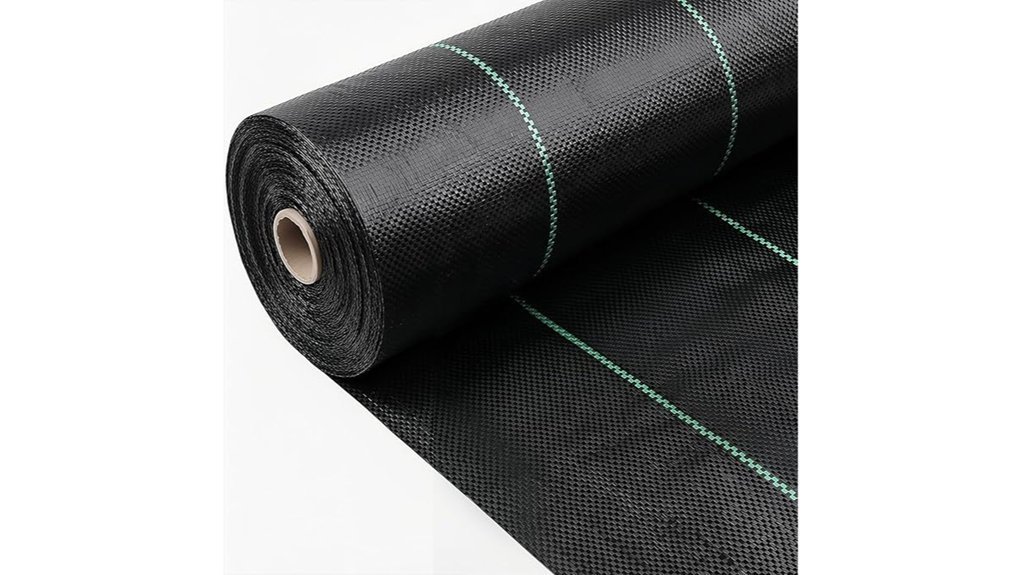
I’ve rolled this 13x120FT fabric across rough driveways and fresh gravel beds. It feels thick in your hands and has a faint plastic scent out of the wrap. Once down, it grips the ground like a workhorse that won’t quit.
You get 1,560 square feet of coverage with a 5oz polypropylene weave. The fabric handles up to 800 pounds of pull strength. I saw it flex over sharp stones without a tear. Think of it as armor under your gravel.
The black surface blocks light fast. Weeds never get a chance to breathe. At the same time, water flows through like rain through a sieve. Your soil stays active and alive under the layer.
Cutting feels simple with the green guide lines. I used a utility knife and got clean edges. Joining sections stays easy for big jobs. This works well for driveways, drains, and greenhouse floors. It keeps things tidy like a well swept shop.
Best For: You want wide coverage and serious strength for driveways and large gravel zones.
Pros:
- 800 lb tensile strength handles heavy loads and traffic
- Wide 13×120 ft roll cuts install time and seams
- Permeable weave supports soil health and drainage
Cons:
- Hand wash care takes extra time
- Thick fabric needs sharp tools for clean cuts
- Large roll feels heavy during solo installs
13x120ft Heavy Duty Weed Barrier Landscape Fabric
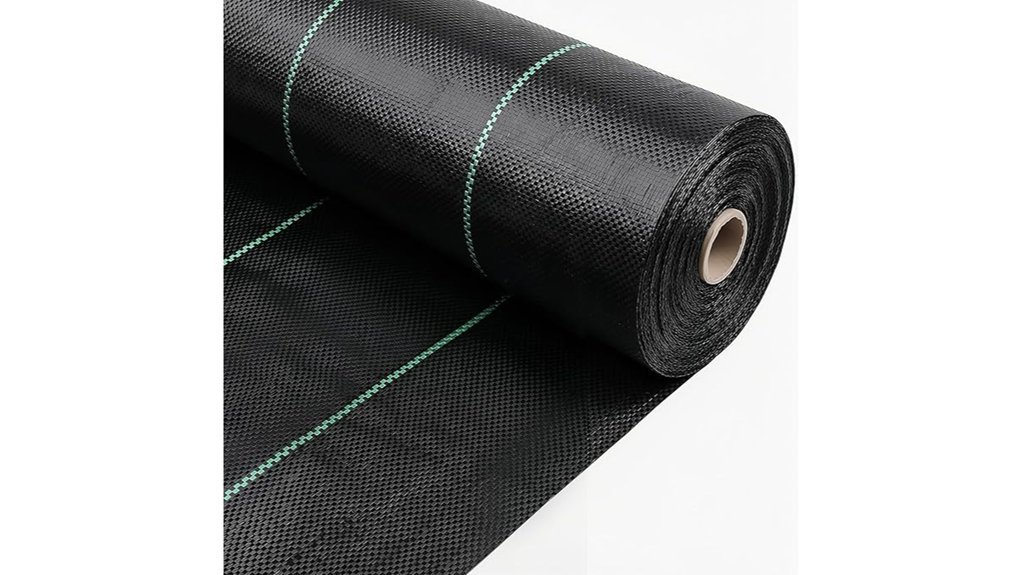
Need solid ground cover for a big job? I’ve rolled this out across rough sites and it feels like a workhorse right away. You get 13×120 ft coverage, that’s 1,560 sq.ft in one run. The 5.2 oz PP fabric feels thick in your hands and has a slight plastic scent fresh off the roll.
It holds strong at 900 lb tensile strength. I dragged gravel over it and heard that low crunch while it stayed put. It bends well over uneven soil like a blanket over rocks. You can lay it under stone or mulch with confidence.
Cutting feels simple. The green guide lines act like a map so you stay straight. You can join sections fast for wider areas. It blocks sunlight to stop weed growth while water and air flow through. Soil stays cool and slightly damp to the touch.
This fits driveways, French drains, and full yard installs. I’ve used it on both client jobs and quick home fixes. It works like a shield in the dirt.
Best For:
Contractors and homeowners who want large scale weed control for driveways, drainage, and landscape beds.
Key Specs:
- Size, 13 x 120 ft
- Coverage, 1,560 sq.ft
- Material, 5.2 oz woven polypropylene
- Strength, 900 lb tensile rating
Pros:
- Thick fabric grips gravel well and feels tough underfoot
- Wide roll cuts install time like a hot knife through butter
- Permeable weave keeps soil healthy and drains water fast
Cons:
- Weight feels heavy during solo installs
- Anchors help it stay flat over time
- Fitting curves takes patience and a few trims
HOOPLE Weed Barrier Landscape Fabric 4×100 ft
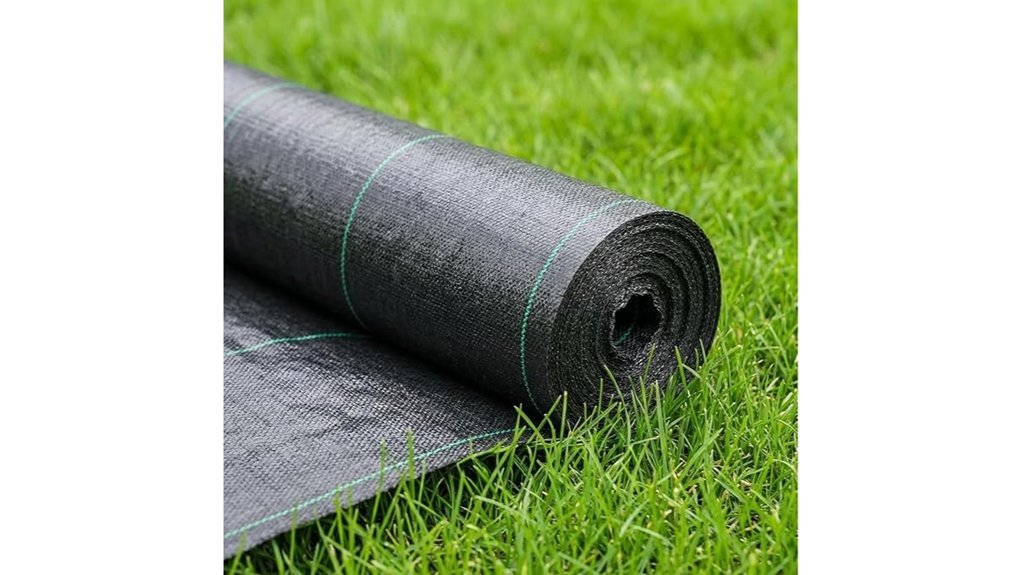
Homeowners who build gravel paths or garden beds will like the HOOPLE 4×100 ft weed barrier. I rolled this out on a hot day and felt the fabric stay cool and firm in my hands. It feels like a tough tarp with a slight weave you can grip. You get a 3.2 oz woven polypropylene sheet that holds shape under tension. It stays *breathable* so soil can breathe. It blocks sunlight and slows weed growth while water still passes through. Think of it as a quiet gatekeeper for your soil.
You can cut it with basic scissors and hear a clean snip. I pinned it down and added gravel, the surface settled flat with a soft crunch. The tensile strength supports walkways and garden beds with ease. I also used it under a light driveway base and it held steady. At 4 by 100 feet you cover long runs in one go. One roll does a lot of ground, like painting with a wide brush.
Best For: You want a cost friendly weed barrier for garden beds, gravel paths, or light driveway prep.
Pros:
- 3.2 oz woven polypropylene feels tough and resists tears
- Water and air pass through while sunlight stays blocked
- Cuts fast and fits many layouts, even odd corners
Cons:
- You add staples or weights for a tight hold
- Cover it with mulch or gravel for long life
- 4 ft width leads to overlap on wide areas
Quick take: I like how it balances strength with flow. It keeps weeds in check and keeps soil lively. It gives you clean lines with low fuss.**
Velway Weed Barrier Landscape Fabric 3x50ft with Pegs
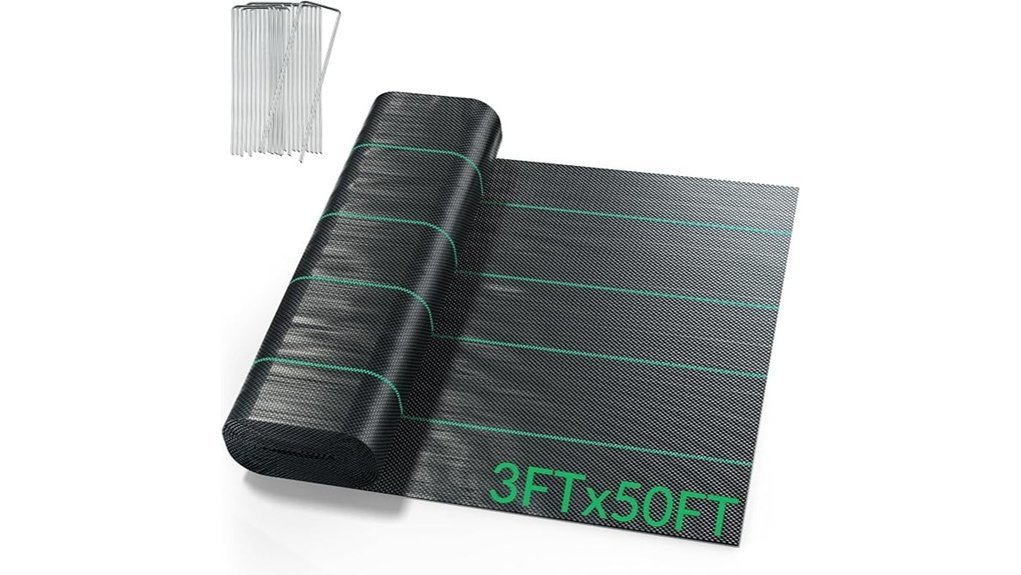
For small to mid projects, I reach for this 3×50 ft roll. It feels light in your hands yet tough under tension. The 3.0 oz woven polypropylene has a firm texture that resists snags. You can hear a crisp pull as you stretch it across soil. The black surface *blocks light* and starves weeds. Water flows through fast and the soil stays cool and damp. Roots get air and nutrients with ease. Green guide lines pop against the dark weave and speed up cuts. I trim it with simple shears and fit tight curves with ease. The 6 inch U pegs bite into the ground and hold like a handshake. It works great for beds, paths, and turf edges. Think of it as a quiet gatekeeper that keeps weeds out.
Best For:
Home gardeners and DIY landscapers who want easy handling and steady weed control for small to mid spaces. Like a trusty shovel you grab every weekend.
Pros:
- Tough 3.0 oz woven polypropylene that feels firm and resists tears
- *High permeability* keeps water flow steady and soil breathing
- 20 rust resistant pegs included for a secure hold
- Clear guide lines that speed up straight cuts
- Simple trimming for beds and edges
Cons:
- Coverage suits smaller areas and repeat rolls for big yards
- Extra staples add grip for long installs
- Tight corners take a bit of patience to fit clean lines
Factors to Consider When Choosing a Gravel Blanket: Review
When I test a gravel blanket, I start with strength and fabric weight. You want a tough weave that feels firm in your hands. It should flex yet hold like a workhorse. Think of it as the backbone of your base.
Next I check drainage performance. Water should pass through with a soft hiss. No puddles. No soggy spots. Good flow keeps your surface stable and clean.
Size matters more than you think. I’ve wrestled sheets that felt like wrestling a sail in the wind. Pick a size that fits your area with clean edges. It saves time and effort.
Installation tells the real story. A good blanket lays flat and grips the ground. You feel it settle into place like a glove. That makes the job smooth and quick.
Key specs I always check:
- Fabric weight and thickness
- Load strength rating
- Water flow rate
- Roll size and coverage area
- Ease of cutting and placement
Choose with care and you’ll build a base that lasts. Like a solid handshake, it should feel right from the start.
Material Strength
Material Strength
I’ve dragged these fabrics across sharp gravel and felt the grit bite. The good ones stay firm like a workhorse.
*Strength decides everything.* Your gravel blanket lives or fails on it. You want high tensile strength around 350N or higher. That rating tells you the fabric resists stretch and load.
Non woven polypropylene feels thick and slightly rough to the touch. It grips the stone and holds shape. I’ve seen it shrug off soil shift and heavy equipment with a dull crunch underfoot.
Strong material gives long life in sun and rain. It handles UV light and moisture with steady performance. You also want clean water flow. Good permeability lets water pass while soil stays locked in place.
Think of it like a coffee filter for your base layer. Water moves through, soil stays put.
I always check test data before I buy. Verified ratings give real proof in the field.
Key specs I look for:
- Tensile strength, 350N or higher
- Tear resistance rating
- UV resistance score
- Water permeability rate
- Fabric weight and thickness
Pick smart here and your gravel blanket holds firm for years.
Fabric Weight
Weight sets the tone for how your gravel blanket feels underfoot. I’ve handled thin sheets that feel like paper. I’ve also wrestled thick rolls that slap the ground with a heavy thud.
You’ll see fabric weight in ounces per square yard. That number drives performance in the field. Go heavier and you get a tougher layer that grips gravel and resists rips. Think of it as armor for your base, like boots on a job site.
An *8 oz fabric* feels dense and slightly stiff in your hands. It stays put once laid. Tires press down and the fabric holds its line. I use this for driveways and parking pads where traffic pounds the surface.
A *3.2 oz fabric* feels lighter and more flexible. It cuts fast with a knife and bends around curves. Soil breathes through it while it holds moisture close to roots. I grab this for garden beds and light landscaping.
Quick picks
- 8 oz, best for driveways and heavy traffic
- 6 oz, solid for walkways and patios
- 3.2 oz, ideal for beds and light use
Weight also shapes filtration. Heavier fabric slows fine soil movement and keeps layers clean. Lighter fabric allows faster water flow and root health.
Match the weight to your job. Your install will feel smoother and last longer.
Drainage Performance
If drainage fails, the whole system sinks. I’ve tested blankets that gurgle under heavy rain. You want water to move fast. You want soil to stay put. That sweet spot feels like a sponge that drains on command.
Start with the gravel layer. It should feel coarse in your hand. Water should slip through with a soft hiss. Pair it with a geotextile that flows well. *High permeability* matters here. It lets water pass and traps fine soil. You keep structure. You keep roots happy.
Air matters too. A good blanket lets the soil breathe. You can almost smell that fresh earthy scent after a storm. Roots stretch easier. Saturation fades faster. Think of it as lungs for your landscape.
Build quality shows over time. I’ve seen cheap fabric turn limp and clog. You want strong fibers that hold shape. You want steady flow year after year. Sediment stays filtered. Nutrients stay where roots can reach.
What I look for in the field:
- *Permeability rate* that keeps water moving fast
- *Tensile strength* that resists tearing in wet soil
- *Filter stability* that holds back fines
- *Gravel size* that supports flow and root space
Good drainage pays you back. Less upkeep. Healthier soil. Strong growth through rain and daily moisture swings. It keeps everything running like a well oiled machine.
Size And Coverage
Start with your footprint. I always grab a tape and map the length and width. You want full coverage that feels tight and clean under your boots.
Match that area to the roll size. A 6×100 ft roll gives 600 square feet. A 4×100 ft roll gives 400. That gap hits your budget fast. I learned this the hard way on a muddy driveway that ate extra rolls.
Think about gravel depth next. Thicker layers press down with more force. You need extra fabric at the edges for overlap and grip. It should feel firm like a drum skin underfoot.
Pick a size that fits your job. Driveways need wide runs. Garden beds call for tighter cuts. Slopes need extra overlap so nothing shifts after rain.
Bigger rolls save time. You cut less and waste less. Fewer seams mean a smoother surface you can feel with each step. It lays down like a clean sheet.
Plan your overlaps. I go a few inches on each edge. That small step keeps weeds out and locks the layer in place. Think of it as stitching a seam that holds for years.
Quick sizing cues I use:
- 600 sq ft roll, best for long driveways and wide pads
- 400 sq ft roll, great for beds and small paths
- Extra overlap, adds strength on slopes and edges
Get this part right and the rest flows easy.
Installation Ease
Installation Ease
I’ve rolled out plenty of gravel blankets, and a smooth install sets the tone fast. You feel it in your hands right away. *Light fabric matters.* It lifts easy and cuts fatigue.
You want geotextile that feels soft yet tough. It should slide over soil with a faint scrape. No wrestling. No drag. *Clean cuts save time.* I trim curves with basic shears and get sharp edges every time.
Clear markings guide your layout like a chalk line. You line it up and move on. No second guessing. That keeps your pace steady and your mind clear.
Tool free setup feels like a breath of fresh air. I roll it out and pin it down in minutes. Some kits include staples or pegs.
- Pre cut rolls for fast placement
- Marked edges for straight alignment
- Included stakes for firm hold
That combo trims trips to the store. It also keeps your workflow tight. *Time saved feels like money in your pocket.* You finish sooner and the blanket stays put from day one.
Conclusion
I’ve laid gravel blankets in real yards, I felt the grit and heard the crunch under boots. You want a base that holds like a rock.
You start with the layer. It feels firm under your hands. It smells like clean earth after rain. This step sets the tone. Think of it as *the backbone of your landscape*.
Pick the fabric with care. I’ve tested woven and non woven types. You’ll feel the difference fast.
- Woven fabric, tight weave and high strength
- Non woven fabric, soft feel and strong drainage
- Permeability, water flows through with ease
- Load support, holds gravel in place
You want soil separation and solid drainage. Your gravel stays put. Your path stays clean. Like a good pair of boots, it carries you through.
I look for grip and stability. You will notice less shifting over time. That means fewer fixes and less cost later.
In the end, you pick what supports your plan. Your ground feels steady. Your steps feel quiet. Everything above it stands firm.