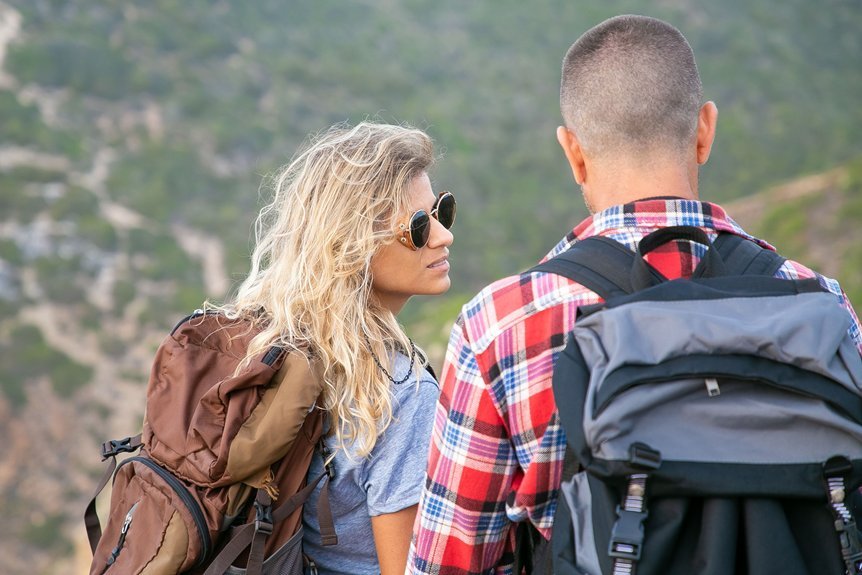
I’ve hauled these Osprey day packs through sweat and grit. You feel the fabric bite the air. You hear zippers hum. Here’s what actually works.
Osprey Daylite Plus, best for daily carry****
I use this on train runs and office hops. It sits light on your back. The mesh panel feels cool against a damp shirt. You get a laptop sleeve that hugs tight. Pockets keep cables from rattling. It carries like a steady friend.
- 20L capacity
- Padded laptop sleeve
- Breathable mesh back panel
- Side pockets for bottles
Osprey Talon 22, best for hiking****
I took this up rocky switchbacks. It moves with you like a shadow. The harness wraps your torso. You feel less sway on steep steps. A hydration sleeve keeps water close. The fabric feels tough and smooth.
- 22L capacity
- AirScape back panel
- Hydration compatible
- Trekking pole attachment
Osprey Ultralight Dry Stuff Pack, best for travel****
I stuff this into a palm size pouch. It pops open fast. The fabric feels crisp and slick. Rain beads and rolls off. You carry snacks and a shell with ease. Think of it as a spare tire for your trip.
- 20L capacity
- Packs into its own pocket
- Water resistant fabric
- Featherlight build
Osprey Raptor 14, best for biking****
I ride with this on dusty singletrack. The reservoir sloshes softly. You sip without slowing. The fit stays snug on fast turns. Tools stay sorted and quiet. It rides like it reads your mind.
- 14L capacity
- Includes hydration reservoir
- Bike tool roll
- Ventilated back panel
Pick your pack by how you move each day. I’ve felt each one in action. You will feel the difference on mile one.
Osprey Daylite Plus Commuter Backpack Tunnel Vision Grey
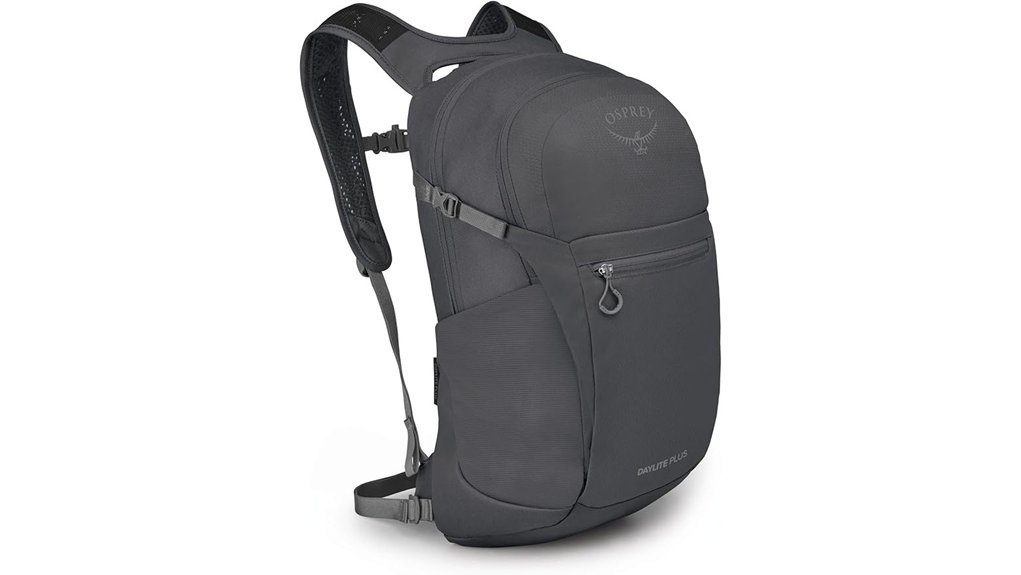
If you want one bag for work and play, I’ve carried this one everywhere and it keeps pace. The Osprey Daylite Plus Commuter Backpack in Tunnel Vision Grey feels light on your back and ready for busy days.
I load it for a train ride and it settles in like a good seat. The fabric feels smooth with a slight grit. It shrugs off scuffs and keeps its shape. You get a lightweight pack that fits city life and trail time.
Open it up and you see order fast. A padded sleeve holds a 14 inch laptop with a soft touch. Cords sit tidy and keys stop jingling. The front shove it pocket grabs a jacket in seconds. Side mesh pockets hold bottles and feel snug. The AirScape backpanel breathes and keeps air moving. It feels like a cool breeze on a warm walk.
This pack uses recycled polyester with bluesign approval. It feels tough and clean. I trust it for daily carry and quick hikes.
Best For:
Commuters and students and travelers who want a light pack that shifts from office to weekend like a Swiss Army knife.
Pros:
- Light build with durable recycled fabric
- Smart layout with 14 inch laptop sleeve
- AirScape backpanel keeps you cool all day
Cons:
- Capacity suits light loads
- Sleeve fits up to 14 inch devices
- Soft structure gives gentle protection for fragile gear
Osprey Talon 22L Men’s Hiking Backpack
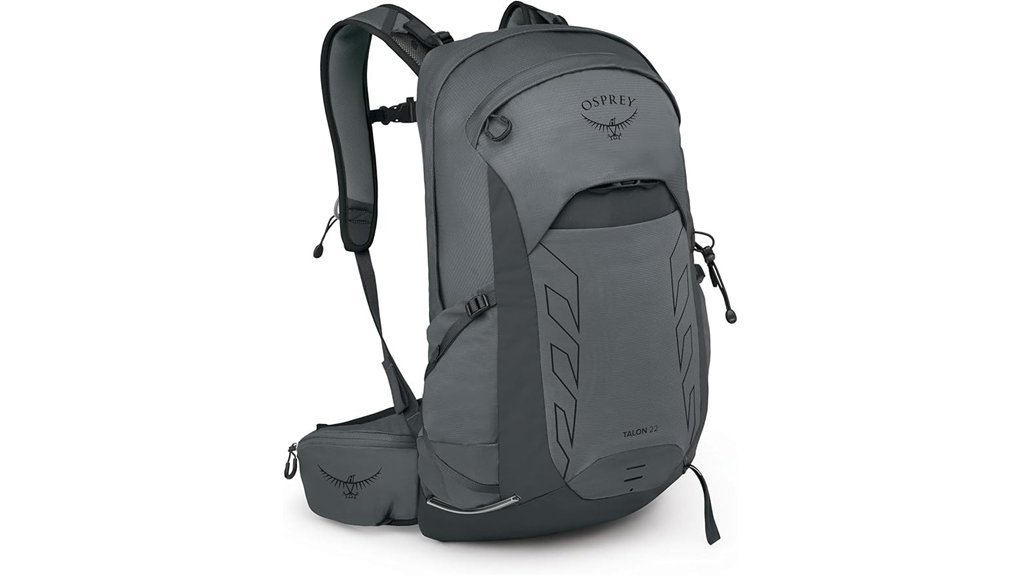
Built for fast hikes, the Osprey Talon 22L feels light on your back. I wore it on dusty trails and it stayed cool against my shirt. You get a lightweight 22 liter pack that carries what you need for a full day. It moves like a shadow on your spine.
The AirScape backpanel pushes air across your back. Sweat dries fast and you feel that breeze. I dialed the fit in seconds with the adjustable yoke. The BioStretch hipbelt hugs your hips like a firm handshake.
Storage feels smart and easy. You grab snacks from hipbelt pockets without stopping. The top pocket keeps keys from hiding. Stretch side sleeves hold bottles tight with a soft rustle. Add a hydration reservoir and sip on the move. Clip in poles or a helmet when plans shift. It’s a Swiss army knife for day trips.
The fabric feels tough and slightly textured. It shrugs off brush and dust. Recycled materials add a feel good edge while you hike.
Best For: You want a fast and light daypack for hiking, biking, or travel. You value airflow and a dialed fit.
Pros:
- AirScape backpanel keeps your back cool on hot climbs
- Adjustable yoke and BioStretch hipbelt lock in a precise fit
- Smart pockets and gear loops support hydration and tools
Cons:
- 22 liters suits day use and light loads
- Price sits in the premium range
- Flexible frame favors lighter carry weights
In use, it rides like a well trained dog. Close, steady, and always ready.
Osprey Ultralight 20L Dry Stuff Pack, Black
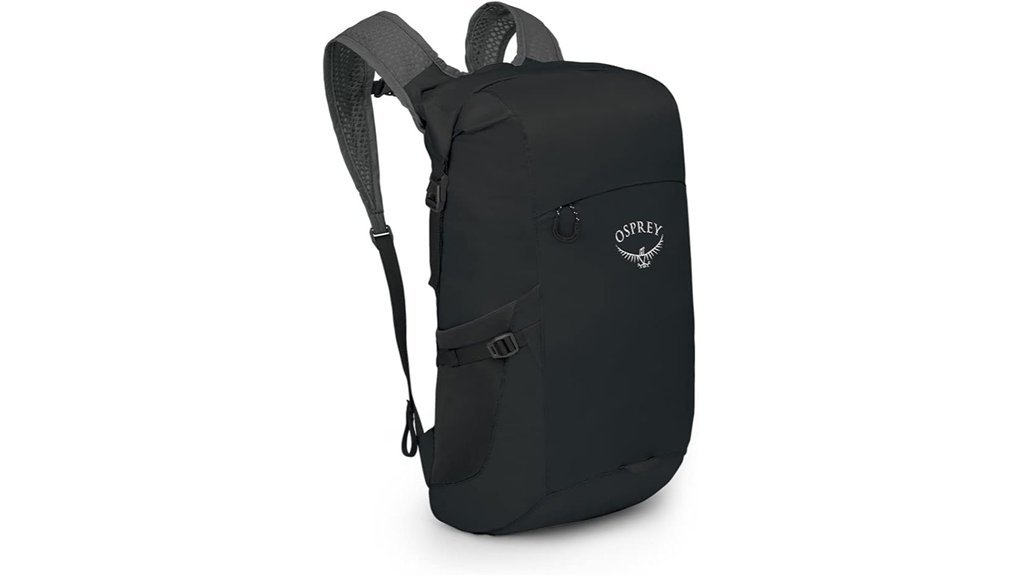
Minimalist travel feels better with less weight. I carried this pack on wet trails and busy streets. It feels like a feather in your hand. The fabric has a slick, slightly crinkly touch.
The ultralight waterproof build stands out fast. You get 20L in a slim shape. It weighs 0.43 pounds. That feels like carrying air. The IPX5 recycled nylon blocks rain and splashes. Water beads and rolls off. The roll top closure seals tight like a dry bag.
Fit stays simple and secure. You adjust the mesh straps with ease. The sternum strap adds balance on long walks. Three pockets keep gear in reach. Side pockets stretch for bottles or snacks. Think of it as your pocket that grew legs.
It works great for day hikes and city carry. I used it for travel overflow and quick errands. It folds into a tiny bundle. You can stash it in a suitcase or glove box. It pops open in seconds.
Best For: Minimalist travelers and hikers who want a light pack that shrugs off rain and handles daily carry.
Pros:
- Featherlight feel at 0.43 lb with a full 20L capacity
- IPX5 water resistance with a roll top seal that sheds rain fast
- Packs down small and keeps gear sorted with smart pockets
Cons:
- IPX5 rating handles rain and splashes, full submersion sits outside its lane
- Soft structure feels less comfy with heavy loads
- Hand wash care takes extra effort
Osprey Raptor 14L Men’s Mountain Biking Backpack with Hydraulics Reservoir
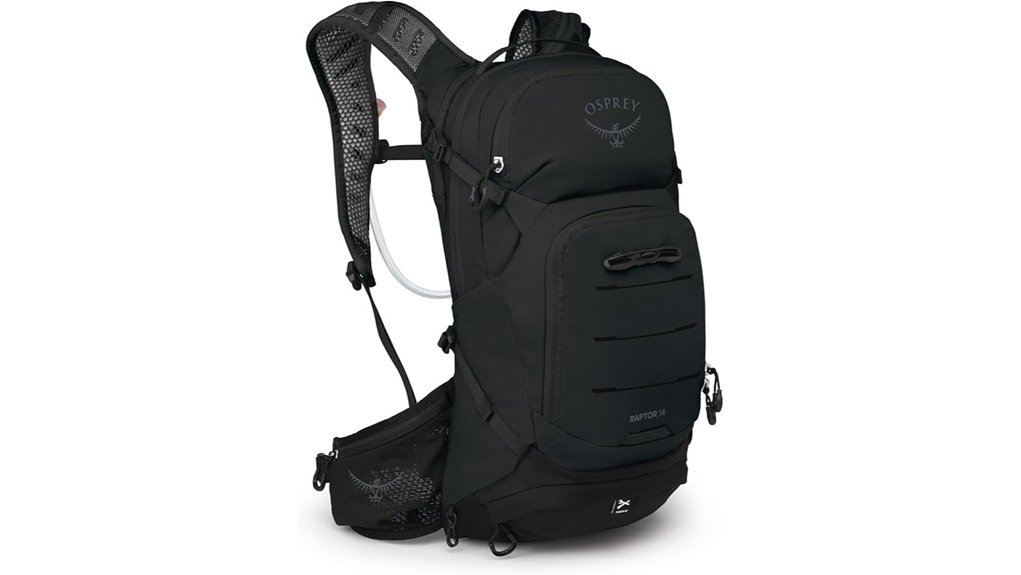
Serious riders, I’ve put the Raptor 14L through rocky descents and dusty climbs. It hugs your back like a shadow on singletrack. You feel the pack stay planted as tires chatter over roots. The bike specific winged harness locks it in place. The airmesh hipbelt feels soft yet firm against your hips.
Hydration stays quick and smooth. I sip from the 2.5 liter Hydraulics LT reservoir without breaking rhythm. Water flows clean with a soft squeeze. The hose sits right where you expect it. Like a pit crew in your pocket.
Inside, gear stays sorted and quiet. Tools sit snug in the removable roll. No rattles on rough lines. Snacks slide into the stretch hipbelt pockets with ease. The recycled 210D nylon feels tough with a slightly crisp hand. It shrugs off brush and grit.
At about 2.2 pounds, it rides light on long days. You forget it’s there until you need it. That’s the sweet spot.
Best For:
Mountain bikers who want stable hydration and clean organization on long rides or park laps.
Pros:
- Stable fit with winged harness and airmesh hipbelt
- 2.5L reservoir gives fast hydration on the move
- Smart storage with tool roll and hipbelt pockets
Cons:
- 14L space suits lean kits over bulky loads
- Bike focus limits crossover use
- Slight weight adds a touch of heft versus minimalist packs
Tech Specs:
- Capacity, 14 liters
- Reservoir, 2.5 liter Hydraulics LT
- Fabric, recycled 210D nylon, bluesign approved
- Weight, about 2.2 pounds
If you ride hard and want order on your back, this pack hits like a well tuned suspension.
Factors to Consider When Choosing an Osprey Day Pack
I’ve tested a lot of Osprey day packs on dusty trails and damp forest paths. Start with your goal. Match the pack to your hike or commute. A short city walk needs less space. A full day trek needs more room.
Pick the right capacity. Think 10 to 20 liters for light use. Go 20 to 30 liters for longer outings. Size shapes comfort. A pack that hugs your back feels like a second skin.
Fit matters most. I feel it right away when straps sit right. The foam presses soft and steady on my shoulders. A good harness keeps weight close. That balance saves your energy mile after mile.
Storage layout makes life easy. You want quick access pockets. I like a top lid that opens fast. Side stretch pockets hold bottles snug. Organization acts like a tidy toolbox.
Materials tell you how long it lasts. Tough nylon feels slightly rough in hand. Water beads and rolls off in light rain. Strong stitching holds firm under load. Quality build stands like a rock.
Focus on these points and you pick a pack that works with you, not against you.
Intended Use
Pick the pack that fits your day
I’ve tested Osprey packs on city streets and dusty trails. Your use sets the tone. It shapes size and features.
Think about your routine first. That choice is the north star.
Daily commute or school
You want clean lines and quick access. I like a slim profile that hugs your back. It feels light on a crowded bus.
Look for smart pockets. Your charger slides in with a soft rustle. Keys stop jangling.
- Padded laptop sleeve that shields from bumps
- Internal dividers for notebooks and tech
- Quick grab top pocket for small items
Trail days or bike rides
Go for function and flow. I reach for hydration ready packs. A sip tube keeps water close.
Exterior loops matter. Poles clip on with a firm click. A helmet sits tight and silent.
- Hydration sleeve with hose port
- Gear loops for poles or helmet
- Stretch pockets for layers and snacks
All day comfort
Straps should hug without bite. The back panel should breathe. You feel cool air move across mesh as you walk.
I check weight spread. A good harness keeps load close. Your shoulders stay fresh.
- Ventilated back panel for airflow
- Contoured shoulder straps with soft foam
- Sternum strap for balance
Why it works
Match features to your main activity. You carry what you need and feel ready. Like a well tuned engine, everything just clicks.
Capacity And Size
Capacity and Size
I’ve packed this on city walks and trail days. The right size feels like a second skin.
Start with volume. Pick a liter range that fits your day.
- 10 to 20L for light carry
- 25 to 30L for bulkier loads
I like a 20L for daily use. It keeps gear tight and quiet. No rattle.
Check dimensions next. Height width and depth shape how it rides. They also decide if it slides under a seat. I’ve felt stiff corners scrape on bins. Smooth lines help.
Weight matters on mile ten. Keep it near 2.5 pounds. Your shoulders will thank you. The fabric should feel firm yet soft. Zips should sound crisp and clean.
Fit your frame. Short torso needs shorter height. Broad shoulders want a wider back panel. Good proportions move with you. Think of it like a well tuned instrument.
Match size to use. Errands call for compact carry. Hikes need room for layers and water. I leave a little headroom for snacks. *Space breathes and packing stays calm.*
Quick checks
- Volume in liters
- External dimensions
- Empty weight
- Frame size and back length
Right sizing speeds packing. You grab and go. Every pocket has a job. *Measure twice cut once.*
Comfort And Fit
Comfort And Fit****
Volume sets capacity. *Fit sets comfort.* I’ve worn packs for miles and bad fit bites fast.
Start with torso length. You adjust a sliding yoke to match your back. The pack hugs your spine like a second skin. You feel less sway on steep climbs.
Dial in the hipbelt. It wraps your hips with firm foam you can feel. Weight shifts off your shoulders and onto your core. That saves energy over long days.
Look for a breathable back panel. Air channels move air across your shirt. You feel a cool draft on hot climbs. Sweat stays in check.
Choose light fabrics. You feel the difference by mile three. Less drag means smoother steps.
Check the shape. A close to body profile stays steady. It tracks your movement on rocks and city stairs. Think of it as glue that moves with you.
Straps matter. Padded shoulder straps feel soft and grippy. Load lifters pull weight in and up. Sternum strap keeps things centered.
Fine tune every strap. Small tweaks fix hot spots fast. Balance improves with each pull. You carry longer with less fuss.
Quick checklist:
- Torso adjustment with sliding yoke
- Supportive hipbelt with firm foam
- Breathable back panel with air channels
- Lightweight fabric and trim build
- Close to body profile for stability
- Padded straps plus load lifters and sternum strap
Storage And Organization
Three smart zones make a day pack feel easy. I rely on a roomy main compartment for bulk gear. You want space that feels open and smooth to the touch. Then add pockets for small items that tend to hide. Finally keep quick access storage within reach while you walk.
Clear separation keeps chaos in check. Cords stay tangle free and pens stop rattling around. Snacks stay fresh and easy to spot. I like sleeves and dividers that feel crisp and structured. You grab items fast without digging. Think of it like a tidy toolbox that travels with you.
Hydration plays a big role in comfort. I reach for packs with a reservoir sleeve or side bottle pockets. You can sip fast and keep your pace steady. No fumbles and no dry mouth on the trail.
Quick access features save time. I use front shove it pockets for layers that feel soft and slightly damp. Zippered hipbelt pockets hold keys and snacks close. Your hands stay free and your stride stays smooth.
For daily carry you need tech protection. I trust padded laptop sleeves that feel firm yet cushioned. Tablets slide in without a scrape. Your gear stays safe through bumps and crowded trains.
Adjustable details shape the whole system. I clip keys to a small hook and hear that clean metal click. Modular pockets shift to match your routine. Every item finds a home and stays put.
What to look for
- Main compartment volume, fits clothes and lunch with ease
- Internal dividers, keep small gear visible
- Hydration options, sleeve or side pockets for bottles
- Quick access pockets, front stash and hipbelt zips
- Padded tech sleeve, protects laptop or tablet
- Adjustable add ons, key clip and modular pockets for a custom feel
Material And Durability
All that smart organization means little if the pack fails under stress. I’ve dragged these packs over rock and wet pavement. They feel *tough in hand* and sound solid when you drop them.
Osprey uses 100% recycled polyester or nylon. You get strength with a cleaner footprint. Many fabrics carry bluesign® APPROVED status. That label signals safer production with less waste.
I’ve tested 210D dobby nylon on rough trails. It feels slightly textured and resists scuffs like a shield. City use feels just as easy. It handles friction like a workhorse that never quits.
Rain happens fast. These packs shrug it off. Coatings with IPX5 ratings keep water out during steady showers. Your gear stays dry and ready.
Stress points matter most. I check seams and zippers first. Osprey reinforces both. You feel the difference each time you pull a zipper or load the bag.
Want quick buying cues. Focus on these:
- Fabric denier, higher means thicker yarn
- Coatings, look for water resistance ratings
- Stitch quality, tight and clean lines last longer
Think of the pack as your armor. Pick materials that hold up day after day.
Weight And Portability
Weight and Portability
I feel the difference the moment I hit the trail. Weight decides your comfort fast. A light Osprey day pack around 0.43 lb feels like a feather on your back. You move easy and your shoulders stay fresh.
Still, function matters. I’ve tested packs that balance pockets and shape with low weight. *It’s like carrying air with a brain.* Smart layouts keep gear in place and close at hand.
For daily carry and short hikes, I reach for packs in the 1.29 to 2.38 lb range. That range hits the sweet spot. You get structure plus freedom to move.
Light fabrics feel smooth and quiet. Recycled nylon has a soft hand and a faint rustle as you walk. It holds up well through dirt and brush.
Check size and volume before you buy. A tight fit keeps the load stable. A compact shape slips through crowds with ease. You stay quick on trains and trails.
Quick specs I watch
- Pack weight, under 2.5 lb for daily use
- Volume, 15 L to 25 L for essentials
- Fabric, recycled nylon or polyester
- Fit, close to back with light padding
A well balanced pack moves with you. You feel light on your feet. Plans change and you keep pace.
Conclusion
You want a pack that works as hard as you do. I’ve tested these Osprey day packs on dusty trails and crowded trains. Each one hits a clear use case. Commute. Hike. Fast run. Wet weather. Pick your lane and move.
Feel the fabric. It should feel tough yet smooth. Listen to the zipper. It should glide with a clean zip. That small detail speaks volumes. A good pack rides like a shadow. You forget it sits there.
Choose based on your day:
- *Daily carry:* Clean shape. Easy pockets. Laptop sleeve that hugs tight.
- *Day hikes:* Breathable back panel. Light frame. Water carry that stays stable.
- *Fast and light:* Slim fit. Close to body. Zero bounce feel.
- *Rain ready:* Coated fabric. Sealed seams. Gear stays dry in a sudden downpour.
I’ve felt shoulder straps dig in on cheap packs. These avoid that pain. The foam feels soft at first touch. It holds shape after hours. That matters at mile five.
Think of your pack as your right hand. It should fit without thought. Grab what you need in one motion. Stash gear fast. Move on. Like a well oiled hinge.
Pick the one that matches your rhythm. Load it up. Step outside. Let it carry the day with you.