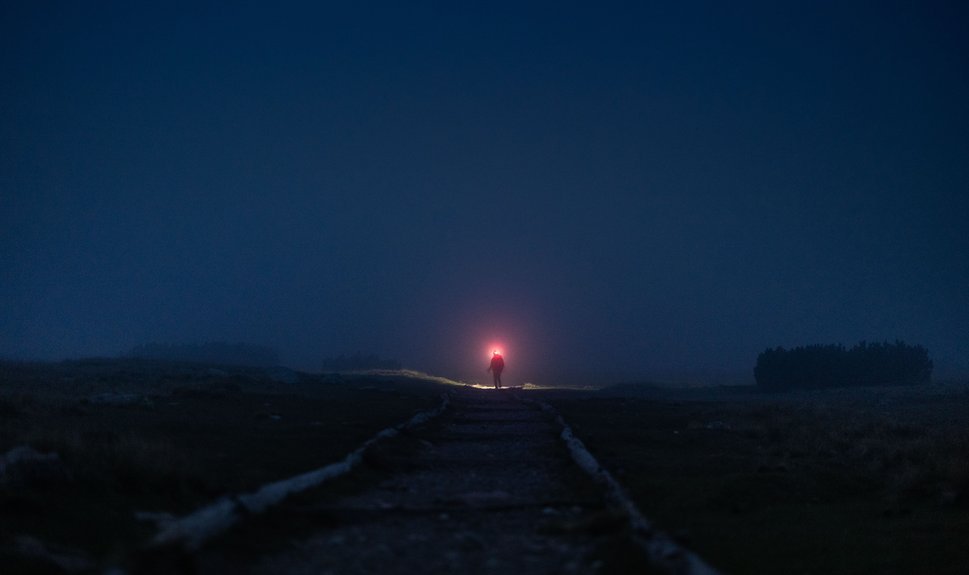
You need a backpacking flashlight that works as hard as you do. I’ve tested these on damp trails and dusty ridges. Your light should feel solid in hand and click with a crisp snap. It should cut through night like a hot knife through butter.
Lighting EVER and Victoper push strong beam distance. I saw clean throw across tree lines at dusk. The beam stays tight and clear. You spot roots and rocks with ease.
OLIGHT I3T feels featherlight in your pocket. I forget it sits there. It clicks fast and fires a clean white beam. It shines when you want simple and reliable.
ADDplus and E SHIDAI bring high lumens and easy recharge. I like the hum of power when they ramp up. You get bright flood for camp tasks and sharp focus for trail scans. Battery life holds steady through long nights.
Focus on what matters out there. Wet air and cold hands change everything.
- Waterproof rating, rain beads off and seals stay tight
- Runtime, hours that carry you from dusk to dawn
- Beam control, spot for distance and flood for camp
- Weight, light gear keeps your pack happy
Pick a light that fits your style. Your trail demands gear that performs on cue.
Lighting EVER LED Flashlight High Lumens Waterproof Adjustable
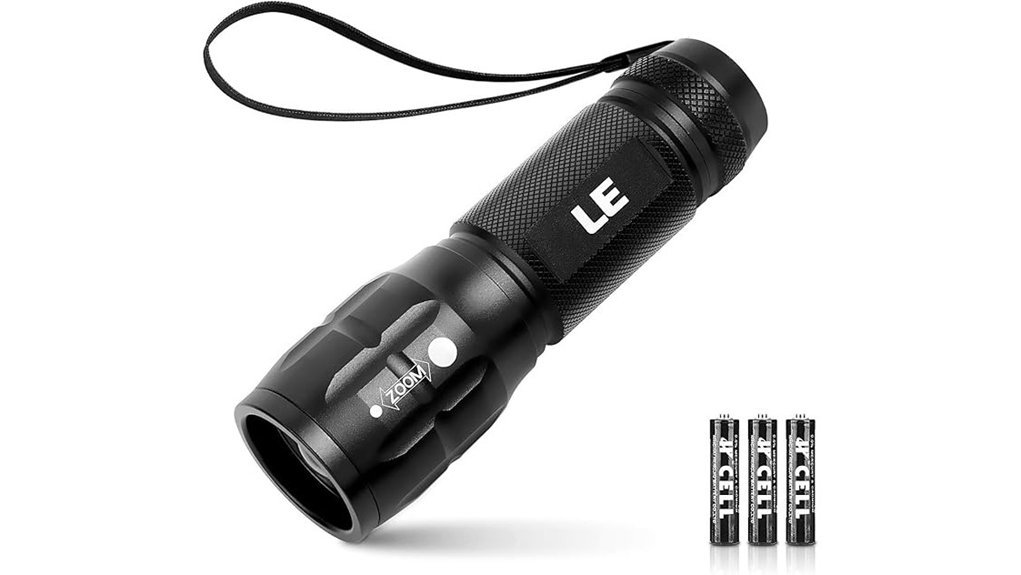
If you want a lightweight flashlight that slips into your pocket, I’ve used this one on real night walks. It feels smooth and cool in your hand. The beam cuts through dark like a needle through cloth. You get 140 lumens that reach up to 492 feet. That covers trails and camps with ease.
The 4.2 inch body stays compact and easy to carry. The aluminum shell feels solid and gives a faint metallic scent after rain. I like the zoom feature. You switch from a tight spot to a wide flood in seconds. Modes change with a quick click that sounds crisp.
It runs on three AAA batteries that come in the box. Runtime holds strong for long evenings. The IPX4 rating handles rain and splashes. You also get a one year warranty for peace of mind.
Best For: Campers and hikers who want a compact light for daily carry or emergency kits.
Pros:
- Pocket size build feels light and easy to carry all day
- Zoom beam control covers both distance and close work
- Aluminum body handles bumps and wet weather well
Cons:
- 140 lumens output suits basic tasks over high power needs
- AAA battery setup fits quick swaps over recharge cycles
- IPX4 rating suits rain and splashes over deep water use
This flashlight punches above its weight. It’s a small tool that earns its place in your pack.
Victoper LED Flashlight 2-Pack High Lumens Tactical Torch
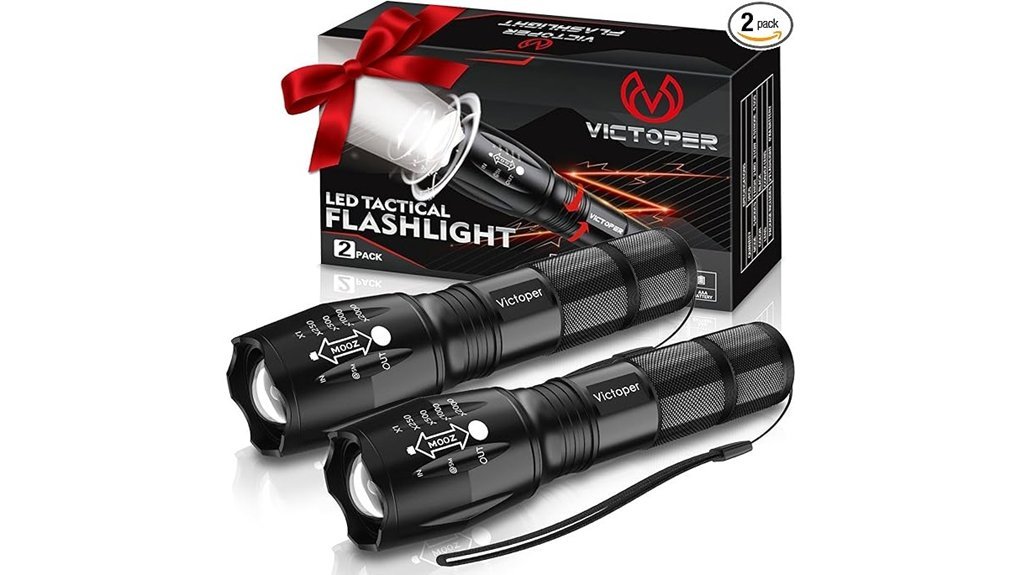
For backpackers who crave *reliable brightness* in a small kit, I’ve put this Victoper 2 pack through rain and dirt. It throws a clean beam that cuts the dark like a knife through butter. You get clear reach out to 656 feet. Trails light up fast. Campsites glow with ease.
I noticed the beam stays steady during long night hikes. The body feels cool in hand even after heavy use. Each unit claims over 50000 hours of life. That means years of trips without fuss.
You control five modes with a simple click. Low for tents. Medium for chores. High for trail scans. SOS and strobe for alerts. The zoom head shifts from flood to spot with a smooth twist. It feels like tuning a lens on a camera.
The aluminum shell feels tough and slightly textured. Grip stays firm with wet hands. I dropped it on gravel and heard a solid thud with zero drama. It handles rain heat and cold like a champ.
Batteries come separate so plan ahead. Mode cycling takes a few taps so you learn the rhythm fast.
*Best For:* Backpackers and campers who want a durable high output flashlight with flexible modes in a compact two pack.
Pros:
- Bright beam reaches 656 feet with long life
- Tough aluminum body with water ready build
- Five modes plus focus zoom for many tasks
Cons:
- Batteries sold separately
- Mode cycle includes SOS and strobe
- Size feels larger than tiny pocket lights
Quick Specs:
- Output, high lumen tactical beam
- Range, up to 656 feet
- Modes, five levels with SOS and strobe
- Build, aircraft grade aluminum
- Use, camping hiking biking outages patrol
You get dependable light that earns its keep. It works like a trusty trail dog that never quits.
OLIGHT I3T 180 Lumen EDC Flashlight Desert Tan
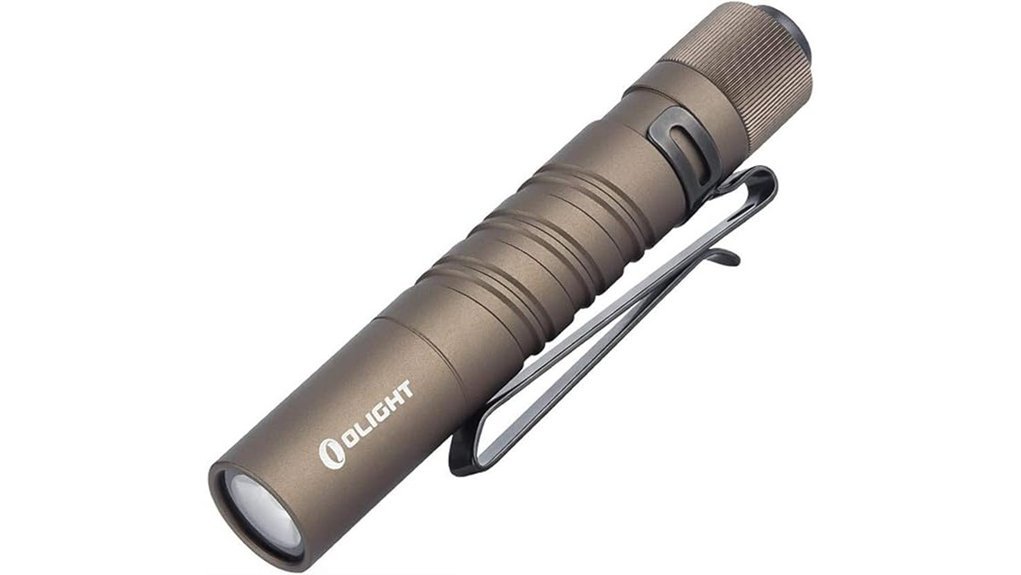
I’ve carried the OLIGHT I3T EOS on damp trails and dusty roads. It feels like a feather in your pocket. You forget it is there until you need light.
The AAA-powered body keeps things simple. You get *180 lumens* on high and a soft 5 lumen low. I use low for camp chores. High lights up a path to about 60 meters. The beam looks smooth and easy on the eyes thanks to the TIR lens. Think of it as a pocket candle with a modern twist.
The aluminum shell feels cool and solid in hand. The double helix pattern bites into your fingers when wet. Rain beads off with the IPX8 seal. I have used it in steady rain and it kept shining. The tail switch clicks with a crisp snap you can feel and hear.
At 1.4 ounces it rides light. Clip it on a hat or pocket and go. It works like a trusty sidekick.
Best For: Ultralight backpackers and EDC fans who want a compact AAA flashlight for simple tasks.
Pros:
- Tiny carry at just 1.4 oz
- Dual output for quick choice
- Strong aluminum body with IPX8 sealing
Cons:
- Output suits close range use
- Two modes keep things simple
- AAA cells need swaps over time
ADDplus Rechargeable Magnetic Flashlight 5000mAh Waterproof 9 Modes
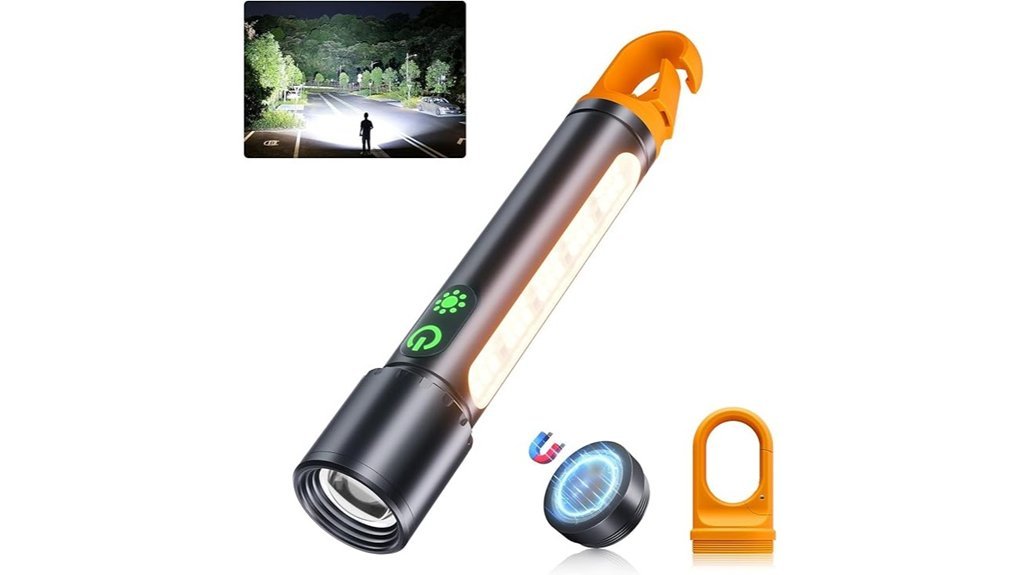
Backpackers need light that keeps going. I carried this on a damp ridge and felt the cool aluminum in my hand. The beam cut through fog like a knife through butter. You get a 5000mAh rechargeable flashlight that runs up to 30 hours. It charges by USB C in four hours. Output can reach 1300 meters for long trail scans. Nine modes include SOS and strobe. The zoom beam shifts from flood to spot with a smooth twist. Simple and fast.
Hands free options feel great in camp. The magnetic cap clicks onto steel with a solid snap. The hook hangs from a branch while you cook. The body feels gritty and secure when wet. Seals keep water out during rain. It also acts as a power bank, your phone stays alive on long days. This light pulls double duty like a Swiss Army knife.
Best For: Backpackers and campers who want long runtime and a multi use light with emergency charging.
Pros:
- Long 30 hour runtime, USB C charging, power bank support
- Nine modes, zoom beam for close work and distance
- Aluminum body, waterproof seals, magnetic cap, hanging hook
Cons:
- Four hour charge time feels slow on tight schedules
- Mode cycling takes practice in the dark
- Size feels larger than ultralight options
I’ve used many trail lights. This one feels dependable and steady. It hits the sweet spot for power and versatility.
E-SHIDAI Solar Rechargeable 1000 Lumens LED Flashlight
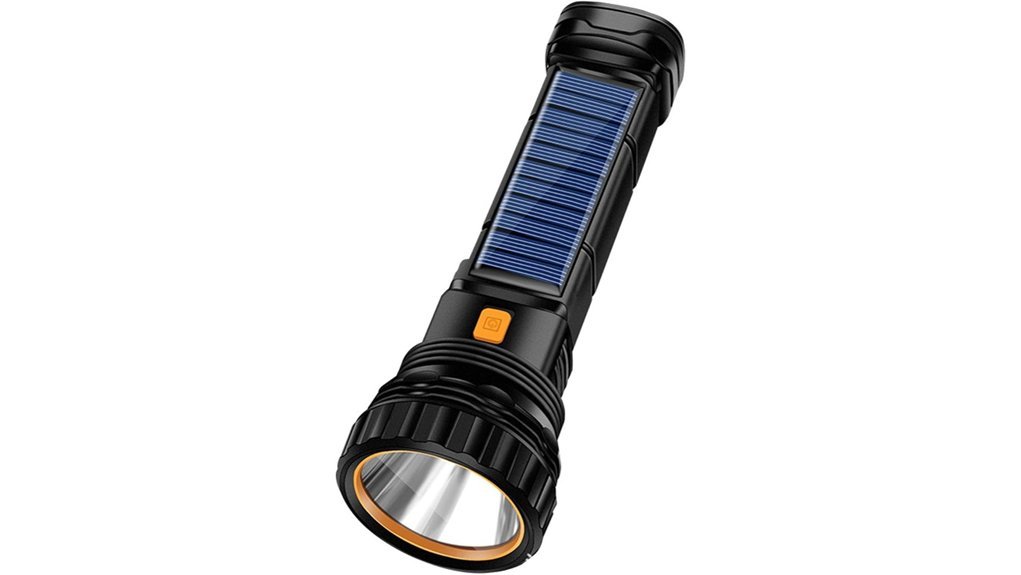
Night hikes test your gear fast. I’ve used the E SHIDAI on dark trails and it cuts through black like a lighthouse. The long throw beam reaches far and keeps you steady on rough ground. You get a main beam and side lights for camp tasks. Modes feel smooth and easy to switch. Think of it as a Swiss army knife in light form.
The 1000 lumen output pushes light up to 2600 feet. That range helps you scan paths and spot hazards early. I get about 10 hours on mixed use. The beam looks clean and steady with no harsh flicker.
Charging feels simple. Plug into USB and it fills up with built in protection. The shell feels tough in hand. It mixes ABS and aluminum so it handles drops and rain. The grip sits well in your palm and stays comfy on long walks. It feels like holding a solid tool that earns its keep.
Best For: You want long range light for hiking or storm prep. You value multiple modes and a sturdy build.
Pros:
- Bright 1000 lumen beam with up to 2600 ft reach and about 10 hour runtime
- Dual lighting with main beam and side lights plus SOS and dimming
- Tough body resists shock and rain with a secure ergonomic grip
Cons:
- IPX5 rating suits rain and splashes
- 5V charging keeps power input simple
- Larger body suits packs over pockets
Factors to Consider When Choosing a Flashlight for Backpacking
I’ve tested dozens of backpacking flashlights on wet trails and dusty ridges. Your pick needs to feel right in your hand and hold steady when the wind bites.
Start with brightness and beam distance. You want clear light that cuts through dark woods. A tight beam reaches far down the trail. A wide beam lights your camp. Think of it as your trail vision.
Battery type shapes your whole trip. I’ve felt the panic of fading light in cold air. Choose a battery that lasts and charges with ease. Runtime tells you how long the beam stays strong.
Weight matters after mile five. Your pack should feel light on your shoulders. A compact flashlight slips into a pocket and stays ready. Every ounce counts out here.
Durability speaks through touch. A solid body feels firm and cool in your grip. Waterproofing keeps the light alive in rain or stream spray. I’ve heard cheap lights rattle and fail fast.
Light modes add control in changing conditions. Low mode saves power at camp. High mode blasts light across rocky paths. Strobe can signal for help. It is your Swiss army knife of light.
Quick checklist I use in the field:
- Lumens output, aim for balance over raw power
- Beam distance, match it to your terrain
- Battery type, rechargeable or disposable
- Runtime, check real world hours
- Weight, keep it light
- Water resistance rating, IPX4 or higher
- Modes, low medium high and strobe
Pick smart and your flashlight becomes a steady trail partner.
Brightness And Beam Distance
Two specs decide how a flashlight feels on the trail. *Brightness* and *beam distance*.
Brightness uses lumens. You feel it the moment you click on. A soft glow at 140 lumens suits camp chores. Think cooking or tying knots by the fire. Crank it to 1000 lumens and the beam bites into the dark. I’ve used that level to scan ridgelines and spot eye shine far out.
Beam distance tells you how far the light reaches. Good models hit 492 feet or more. That range lets you catch trail markers early. You move with confidence on loose ground. It’s like having long arms in the dark.
I always look for adjustable focus. Twist for a tight spot. Slide to a wide flood. You can light a whole campsite or pick out a single rock. The beam should feel clean on your eyes. No harsh glare. No wasted spill.
What you get in practice:
- Bright output that cuts through dust and mist
- Long throw for early hazard detection
- Smooth focus control for spot or flood
- Stable beam that feels easy on your vision
Out there at night you hear wind and gravel underfoot. You want light that works with you. Dial it in and the trail opens up.
Battery Type And Runtime
Battery Type and Runtime
Power drives every beam. I’ve felt cheap cells fade mid trail. That kills momentum fast.
Alkaline batteries feel easy to grab. They drain quicker in real use. You will swap them often.
AAA lights stay small and handy. I’ve used them on quick hikes. Longer trips chew through spares like candy.
Rechargeable lithium ion packs change the game. A 5000mAh pack feels steady in hand. You get longer output and a warm consistent glow. It also cuts waste.
Check runtime claims with care. Some lights push 30 hours per charge. That suits multi day trips well.
Brightness control matters more than you think. Lower output saves power and keeps heat down. The casing stays cooler to the touch.
Think of power like fuel in a tank. Spend it slow and you go farther.
What I look for in the field
- *Battery type*, lithium ion for long runs
- *Capacity*, around 5000mAh for balance
- *Runtime*, 20 to 30 hours on low modes
- *Charging*, USB options for easy top ups
- *Modes*, low medium high for control
Pick smart and your light stays ready when the trail turns dark.
Weight And Portability
Weight And Portability
Brightness grabs attention. Weight decides how far you go. I’ve felt that drag on mile ten. You want a light that feels like a feather in your palm.
Aim for under five ounces. Your shoulders will thank you. Ultralight models near 1.4 ounces feel almost invisible. Every ounce adds up fast.
Size matters too. Keep it under five inches. It slips into a pocket with ease. No digging around in your pack at dusk. Quick grab, quick light.
Look for smart carry options. Clips and loops keep it handy. I like mine on a shoulder strap. It taps lightly as I walk.
Aluminum builds feel cool and solid in hand. They balance weight and strength well. You hear a clean click from the switch. That sound builds trust.
Here’s what I check:
- Weight under 5 oz
- Length under 5 in
- Clip or loop included
- Aluminum body
Think of it like trimming fat from a pack. Less bulk, more freedom. You move faster and reach your light in seconds. That edge matters on long backcountry days.
Durability And Waterproofing
Durability And Waterproofing
I’ve dropped lights on rock and heard that sharp crack. The good ones keep shining. You want a body that feels solid in your hand. Go for *aircraft grade aluminum* or a similar alloy. It resists impact and keeps parts aligned. Dents stay away and performance stays steady.
Rain hits. Mud splashes. Your light should act like a duck in water. Look for an *IPX4 rating* for steady rain. Step up to *IPX8* if you expect full submersion. I trust sealed rubber O rings. They block moisture and grit. A corrosion resistant finish keeps rust at bay after damp trips.
Weight still matters on long miles. I’ve felt heavy gear drag me down. Pick a compact build that rides easy in your pocket. It should feel light and ready.
Quick checks I use in the field
- *Material*, aircraft grade aluminum or similar
- *Water rating*, IPX4 or IPX8
- *Seals*, tight rubber O rings
- *Finish*, corrosion resistant coating
- *Weight*, compact and easy to carry
Light Modes And Adjustability
Light Modes And Adjustability****
I’ve used these lights on damp trails and dusty camps, so I care about control that feels right in your hand. *Modes make or break your night*. You want options that fit the moment.
- Low mode for quiet camp chores
- Medium mode for steady walking
- High mode for full trail view
- Strobe for alert signals
- SOS for emergencies
Each mode serves a clear purpose. You switch fast when conditions shift.
*Adjustable focus adds another layer*. Twist the head and watch the beam change shape. A tight spot cuts deep into the dark. A wide flood lights your whole camp like a lantern. It feels like having two tools in one.
Stepless dimming gives you fine control. You dial brightness like a volume knob. Lower output saves battery and keeps glare soft on your eyes. Think of it as stretching every drop of power.
Beam distance matters on open ground. I look for reach near 492 feet or more. You spot trail markers and movement ahead with ease.
Runtime keeps stress low. Lower modes should last for hours. I like a light that keeps glowing while the night air turns cold and still.
Controls must feel simple. Buttons should click clean even with wet fingers. You switch modes fast without breaking stride. That ease feels like muscle memory.
Charging And Power Options
Power makes or breaks your light. I’ve felt that cold click in the dark, it stings. You want a setup that fits your trip and your rhythm.
Pick your power source with intent. Disposable cells feel simple in hand and swap fast. Rechargeable batteries feel smooth and save money over time. Solar models sip sunlight and add freedom in bright camps. Each path has a place.
USB C charging speeds things up. I plug in at camp and hear that soft click. Many lights act as a power bank for your phone. That feature feels like a safety net in the wild.
Runtime tells the real story. Aim for about 30 hours for long treks. That span keeps your nights calm and your pack light. You spend more time hiking and less time hunting outlets.
Multi source charging adds flexibility. USB plus solar covers you when clouds pass and outlets fade. I’ve watched a panel drink sun while I brew coffee. It feels like money in the bank.
Battery capacity matters. Higher mAh gives longer life between charges. You notice it on day three when others dim and yours stays bright.
Carry a backup plan. Spare cells weigh little and add peace. I tuck them in a dry pocket and forget them until I need them.
Plan your routine. Charge during rest and top off at camp. Think about weather and daylight hours. You keep your light ready and your mind at ease.
Quick picks I trust:
- *USB C rechargeable*, fast top ups and power bank support
- *High mAh capacity*, longer burn time per charge
- *Solar assist*, steady trickle in sunny conditions
- *Spare cells*, quick swap in seconds
A good power plan keeps your light steady as a drum. You move with confidence and sleep easy.
Conclusion
You don’t grab a flashlight, you grab a lifeline. I’ve hiked wet trails and cold ridges with these in my pack. The click feels solid. The beam cuts through fog like a knife through butter.
Dark woods press in fast. A strong beam pushes back. You see roots, rocks, and that slick patch before your boot lands. It feels like you carry a small sunrise in your hand.
Pick what fits your trip. Want power that floods a trail. Go for high lumens and a wide beam. Need portability. Choose a slim body that slips in your pocket. Heading off grid. Solar charge keeps you moving.
I’ve tested these in rain and dust. The grip stays firm even with numb fingers. The switch clicks clean with a sharp snap. You hear it and trust it.
Here’s what matters most:
- Brightness, measured in lumens
- Battery life, hours that match your hike
- Beam distance, how far you can see
- Water resistance, rated for rain or full dunk
- Weight, light enough for long miles
Pick smart and you stay ahead of the dark. Click on and keep walking.