
You want a sun shirt that works as hard as you do. I’ve worn these on dusty climbs and humid trails. Sweat builds fast out there. The right fabric feels cool against your skin like a light breeze.
Pick UPF 50+ sun shirts first. That rating blocks harsh rays all day. I’ve tested them under direct sun and felt the difference. Your skin stays calmer and less hot.
Focus on fabric next. You want lightweight knits that breathe well. Good shirts pull sweat off your skin fast. That keeps you dry and cuts that sticky feel. Think of it like a sponge that wrings itself out.
Brands matter in real use. I’ve hiked miles in Roadbox hoodies. They feel airy and soft. TBMPOY hoodies stretch with every step. MAGCOMSEN and quick dry women’s shirts handle sweat like pros.
Look for smart features that add comfort.
- Hood for neck and ear cover
- Thumbholes to shield your hands
- Relaxed fit for airflow and easy movement
Fit changes everything. A tight shirt traps heat fast. A looser cut lets air move freely. You feel that cooling effect with each gust.
Out on the trail you hear wind through trees. Your shirt should work with that wind. It should vent heat and stay light on your shoulders. That’s how you stay cool from start to summit.
Choose well and your shirt becomes your silent partner. It keeps sweat moving and heat low. You hike longer and feel fresher. That’s the whole point.
Roadbox Men’s UPF 50+ Sun Hoodie Shirt
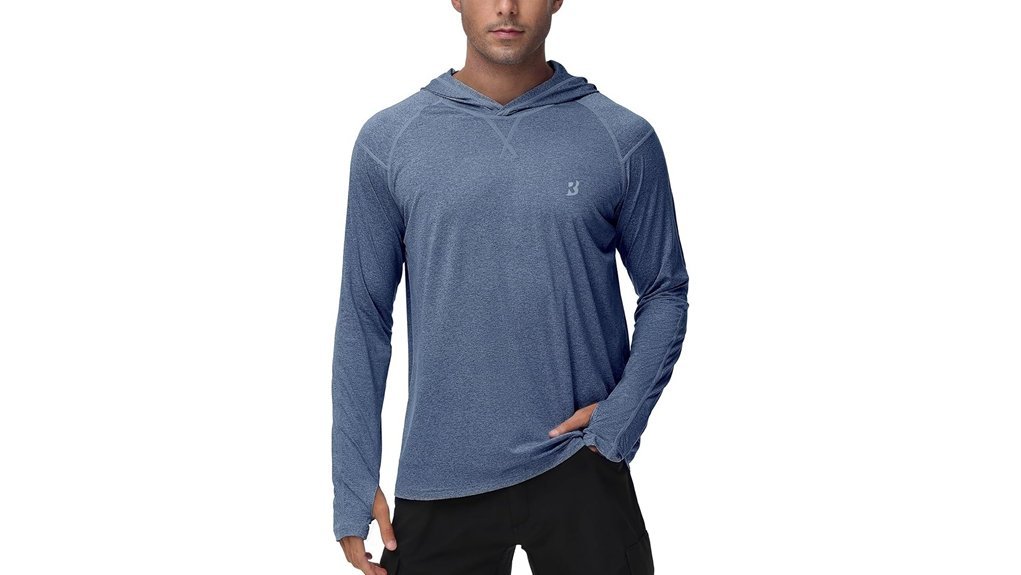
If you spend long days on trail, this hoodie earns its keep. I wore it on hot climbs and it felt like a second skin. The fabric feels smooth and cool. It stretches with every step. Sweat moves off fast so you stay dry.
The UPF 50+ rating blocks harsh sun. You feel covered without bulk. The hood sits snug and shields your neck. Thumbholes hold sleeves in place. The tag free collar feels soft on skin. Raglan sleeves give full reach. Think of it as your shade on demand.
I tossed it in the wash again and again. It kept shape and feel. It works for hiking and running. It also fits fishing days by the water.
Best For: You want light sun protection for long hours outdoors.
Pros:
- UPF 50+ fabric blocks UVA and UVB rays
- Lightweight stretch knit feels cool and dries fast
- Hood and thumbholes add coverage and comfort
- Raglan sleeves support easy movement
Cons:
- Fabric feels slick rather than soft cotton
- Fit feels relaxed on some builds
- Warmth suits hot weather days only
Women’s UPF 50+ Sun Shirt Lightweight Quick-Dry
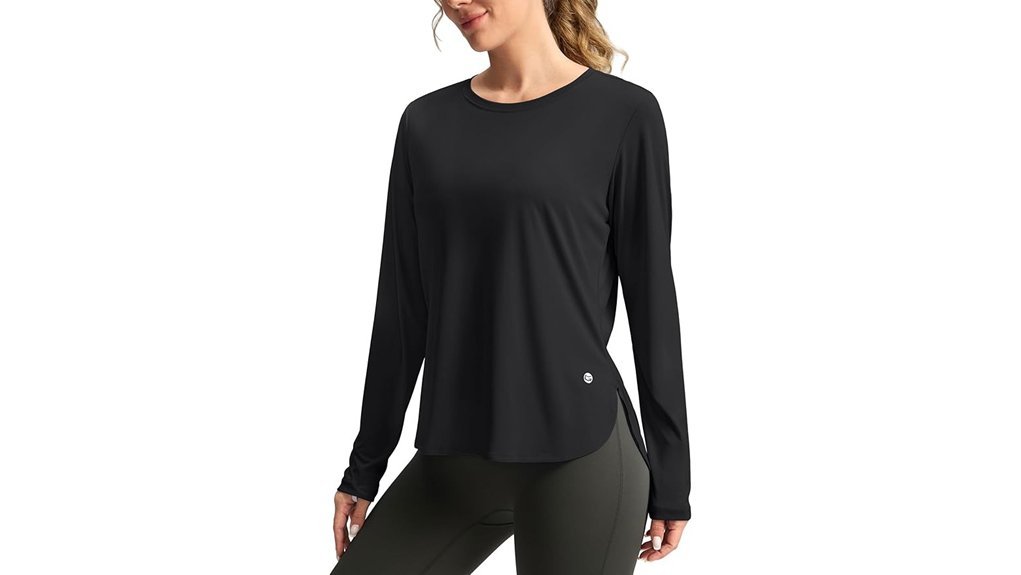
Women’s UPF 50+ Sun Shirt Lightweight Quick Dry
I wore this on a full day hike in dry heat. The fabric felt smooth and cool on my skin. Sweat vanished fast. Like a breeze on a hot trail.
You get *UPF 50+ sun protection* that blocks harsh rays. I stayed covered without that sticky feel. The polyester feels light and airy. It wicks sweat and dries in minutes.
The fit feels easy and free. You move without pull or drag. The high low hem adds back coverage. Side slits boost stride and reach. Thumbholes hold sleeves in place during climbs.
It works across hikes and runs. It fits fishing days too. I even wore it at camp. Like a Swiss Army knife for your kit.
Layering feels simple. It slides under a shell with no bulk. You stay cool in sun and ready for shade.
Best For
Women who want *lightweight sun protection* for hiking and trail runs.
Pros
- *UPF 50+ fabric* guards skin from UV exposure
- Quick dry polyester feels cool to the touch
- Relaxed fit supports range of motion
- Thumbholes keep cuffs set during movement
- High low hem adds coverage where it counts
Cons
- Polyester feels slick instead of soft like cotton
- Relaxed cut feels loose on slim builds
- Light fabric suits warm weather use
Quick Specs
- Fabric: 100% polyester
- Protection: UPF 50+
- Fit: relaxed
- Features: thumbholes, side slits, high low hem
- Use: hiking, running, fishing, travel
TBMPOY Women’s UPF 50+ Sun Protection Hoodie Shirt
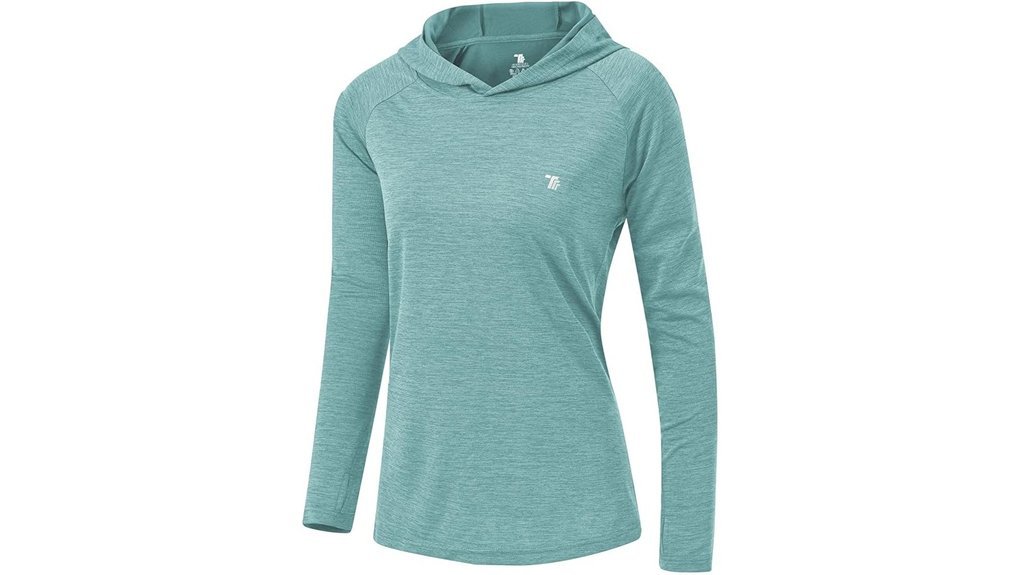
For hikers who want full sun coverage without heat, I reach for this hoodie first. It feels like a second skin on long climbs. Light as air. You get UPF 50+ sun protection that guards your neck and arms on open trails. I felt the fabric stay cool even at midday. Like shade you can wear.
The 100% polyester fabric pulls sweat fast and dries in a flash. You stay dry through steep miles. The built in hood shields your head when the sun bites. Thumbholes keep sleeves in place and add a touch of warmth at dawn. Small detail. Big payoff. Flatlock seams feel smooth against skin and the tag free collar keeps things itch free. No rub. No fuss.
I’ve used it for hiking runs and river days. It adapts like a Swiss Army knife for sun gear.
Best For:
Active days in strong sun where you want light breathable coverage that keeps pace with you.
Pros:
- UPF 50+ rating blocks harsh UV rays
- Moisture wicking fabric feels cool and dries fast
- Hood and thumbholes add smart coverage and stay put
- Flat seams and tag free neck reduce skin irritation
Cons:
- Polyester feel comes off slick against skin
- Hood adds bulk for casual wear
- Light fabric suits warm weather over cold days
Roadbox UPF 50+ Men’s UV Protection Hoodie Shirt
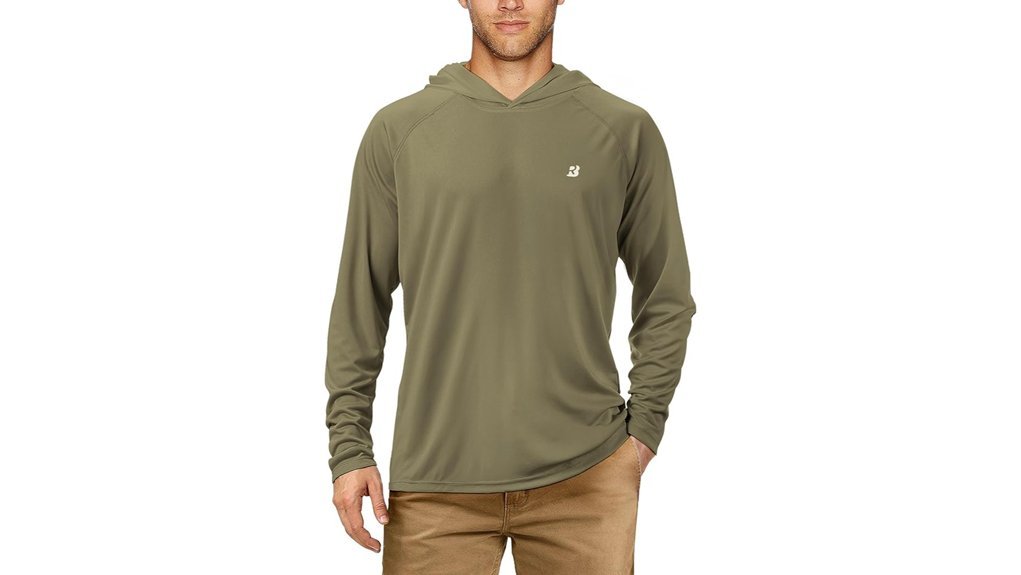
Sun on your back. Heat on your neck. I wore this hoodie on dusty trails and it felt like a light breeze on skin. The UPF 50+ fabric blocks harsh UVA and UVB rays. You get full coverage with the built in hood. It drapes soft and smooth with a cool touch. Sweat pulls away fast and dries in minutes. Think of it as shade you can wear.
The fabric feels airy and thin. It rustles softly as you move. Flat lock seams sit flat and stay calm against skin. The tag free collar avoids scratchy spots. I hiked all day and stayed fresh and focused.
Best For: Hikers, anglers, and travelers who want light sun defense with all day comfort. A real ace up your sleeve.
Pros:
- UPF 50+ protection guards skin from strong sun
- Light fabric feels cool and moves with you
- Moisture wicking keeps sweat under control
- Quick dry fabric sheds water fast
- Hood adds neck coverage on open trails
- Flat lock seams cut friction and hot spots
- Tag free collar feels smooth at the neck
Cons:
- Polyester brings a slick feel over a cotton touch
- Hood adds extra fabric for casual wear
- Light build favors warm days over cold air
MAGCOMSEN Women’s UPF 50+ Sun Protection Shirt
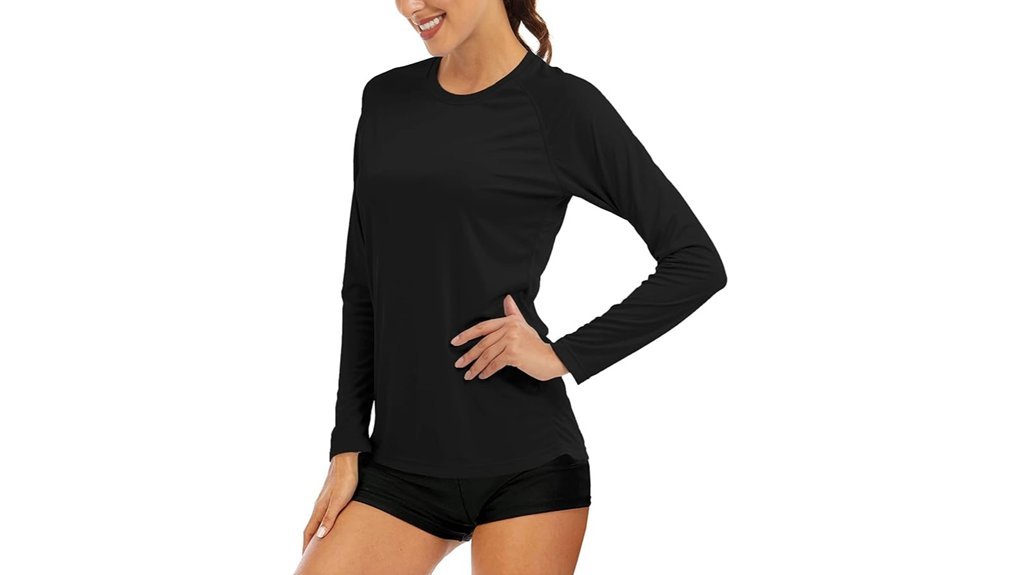
Light fabric feels cool on your skin right away. I wore it on a hot climb and felt air move with every step. This shirt works like a shield in plain sight. You get UPF 50+ sun protection that blocks harsh rays so you stay out longer with calm skin. The polyester feels *breathable* and smooth to the touch. It pulls sweat fast and dries before you notice. Raglan sleeves free your shoulders on steep moves. The simple crew neck keeps things easy. Toss it in the wash and it comes out ready again. Like a trusty trail buddy that never complains.
Best For:
You want light sun protection for hiking fishing or warm weather workouts.
Pros:
- UPF 50+ fabric blocks strong UV rays for long days outside
- *Moisture wicking polyester* keeps sweat off your skin
- Raglan sleeves support free arm movement on climbs
Cons:
- Polyester feels slick rather than soft like cotton
- Crew neck leaves your neck open to sun
- Simple look fits function over style
Factors to Consider When Choosing a Hiking Sun Shirt
When I test a hiking sun shirt, I go straight to what matters. UPF rating leads the charge. Think of it as sunscreen you wear. Higher numbers block more UV rays and protect your skin on long climbs.
Next comes breathability and moisture wicking. I feel the fabric with my hands. It should feel light and airy like a breeze through mesh. Sweat should pull away fast so your skin stays dry and cool.
Fit makes or breaks the day. You want full range of motion. I reach overhead and twist at the waist. The shirt should move with you like a second skin. No tugging. No tight spots.
Extra coverage seals the deal. Hoods and long sleeves add real protection. I use the hood when the sun hits hard at noon. It feels like shade you carry on your back.
UPF Rating Level
UPF rating drives real protection. I’ve tested shirts under harsh sun, and the number tells the truth fast. UPF shows how much ultraviolet light the fabric blocks. Higher ratings mean stronger defense on your skin.
Aim for UPF 50+. It blocks over 98% of UVA and UVB rays. Think of it like a tight shield on a bright ridge. UPF 30 to 49 still gives good cover for short days.
I check how brands hit that rating. Dense weaves feel smooth and a bit cool to the touch. Treated fabrics add extra resistance that you can feel in a slight stiffness. Dark colors absorb more light, so they boost coverage in the field.
Fit plays a big role. Stretch the fabric and tiny gaps open up like a worn net. I pick a cut that sits easy on the shoulders and chest. That keeps the shield intact all day.
Wash and wear matter. Some shirts fade in performance after many cycles. I look for labels that keep their rating over time. Your skin feels the difference on long climbs.
Fabric Breathability
Fabric Breathability
Heat hits fast on a climb. I feel sweat build like a kettle about to sing. *Breathable fabric keeps air moving so you stay cool.*
You want polyester and spandex blends. I’ve worn them on steep switchbacks and they feel light on skin. They push heat out and pull fresh air in. That flow helps your body stay steady.
Mesh panels make a big difference. I notice a faint breeze across my back with each step. It feels like opening a window on a hot day. *Vent zones let heat escape fast.*
Lightweight builds matter too. Heavy shirts cling and trap warmth. These fabrics feel smooth and dry to the touch. You stay focused on the trail ahead.
Durability still counts. I brush past rock and branches often. Good shirts resist snags and keep shape after miles.
Many options add UPF 50+. Sun beats down hard at elevation. You get protection while air still moves freely.
What I look for:
- Breathable polyester blends
- Stretch from spandex for easy motion
- Mesh knit panels for airflow
- Lightweight fabric that feels soft
- UPF 50+ sun protection
You stay cooler and hike longer. That’s the goal.
Moisture Wicking Ability
Moisture Wicking Ability
Heat hits hard on a climb. Sweat follows fast. I’ve felt shirts turn heavy and sticky by mile two.
*Good moisture wicking flips that script.* It pulls sweat off your skin and spreads it across the fabric. You feel a light breeze instead of a wet cling. Think of it like a sponge that breathes.
You stay dry longer. Your skin feels cooler. Chafing stays in check.
Breathability helps. Wicking seals the deal. Together they move air and moisture with purpose.
I notice the difference right away:
- Fabric feels dry to the touch
- Air flows across your chest and back
- Sweat smell stays faint
- Shirt keeps its shape on long climbs
Quick dry fibers matter too. They shed moisture fast so the fabric never feels swampy. You avoid that cold damp patch on your spine during breaks.
Many hiking sun shirts use polyester blends with capillary action. That just means tiny channels move sweat outward. Simple idea. Big payoff.
Pick a shirt with strong moisture control. You’ll feel lighter on steep grades. Your focus stays on the trail instead of your shirt sticking like glue.
Fit And Mobility
Fit And Mobility
Fit sets the tone on the trail. I look for a relaxed cut that moves with me. *Think second skin with room to breathe.* It feels light against sweaty skin. It rustles soft in the wind.
Raglan sleeves free your shoulders. You swing and reach with ease. Scrambles feel smooth like butter on warm bread. Tight seams never pinch.
Light fabric keeps things quick. Heavy cloth drags and feels damp. I prefer airy weaves that dry fast. You feel the breeze pass through.
Roomy underarms boost airflow. Less rub means happier miles. Long climbs stay cool and calm.
Small details matter a lot. Thumbholes hold sleeves in place. Elastic cuffs stay put during climbs. Side slits open your stride. A high low hem bends with you.
Go for a clean cut that feels easy. You stay sharp without bulk. The shirt works with your body each mile.
Hood And Coverage
Hood and Coverage
I’ve hiked long ridges where the sun feels like a spotlight. A good hood fixes that fast. Your shirt becomes your shade.
A *sun hoodie* shields your neck and face. You feel the fabric cool against your skin. Less burn. More miles.
Look for a hood that casts real shade. Some hoods flop around like a loose sail. You want structure. You want coverage that stays put.
I always check the drawstrings. You cinch them and the hood hugs your head. Wind picks up. It stays locked in.
Breathability matters on climbs. You feel heat dump through vent panels. Sweat dries quicker. Your body stays steady.
Fit makes or breaks it. A big hood boosts coverage. It can also crowd your view. I’ve had hoods block side vision on rocky trails.
Go for balance. Protection without bulk. Movement stays smooth.
Layering counts too. I’ve worn mine over a cap and a climbing helmet. It should stretch and sit clean.
Quick checks before you buy:
- Hood depth for full face shade
- Adjustable drawcords for a secure fit
- Vent panels for airflow
- Stretch fabric for layering
- Clear side vision for safety
Think of it like your personal shade tree. You carry it with you.
Weight And Packability
Weight and Packability
Miles add up fast. Your pack feels it. I’ve felt that slow burn in my shoulders. *Every ounce counts.*
Pick a lightweight hiking sun shirt that feels airy on skin. Polyester or poly spandex works best. It stretches and moves with you. Fabric should feel smooth and cool to the touch. Aim for under 10 ounces. Your back will thank you by mile ten. Think of it as cutting fat from your kit.
Breathability matters too. You want air flow you can feel. Sweat dries fast and leaves less cling. I like shirts that stay quiet with each step. No rustle. Just steady movement.
Packability seals the deal. A good shirt packs down small. It fits in a side pocket or waist pouch. I’ve stuffed mine into a fist sized ball with ease. That saves space for food or layers.
Look for these features:
- Lightweight polyester or poly spandex fabric
- Sub 10 ounce total weight
- Moisture wicking performance
- Quick dry fibers
- Compact fold size
Quick dry fabric keeps water weight low. You wash it at camp and it dries by morning. That means less damp smell and less bulk. It rides light and ready. Like a feather in your pack.
Durability And Care
Durability And Care
I’ve dragged sun shirts through brush and over rock. Some survive. Some quit fast.
You want fabric that feels tough in your hands. Polyester works best here. It resists abrasion and keeps its shape after long miles. Think of it as armor that still breathes.
Sweat matters more than you think. A good shirt pulls moisture off your skin fast. That keeps it light and cuts fiber wear over time. You feel dry instead of sticky.
Seams tell a story. I check them first. Flatlock seams sit smooth against your skin. They cut chafing and reduce stress at key points.
Washing should feel easy. Toss it in the machine and go. Good fabric holds sun protection and shape after many cycles. No sagging. No fading.
Dry time seals the deal. A quick drying shirt feels ready within hours. Less damp smell. Less fabric fatigue.
Here’s what I always look for:
- Polyester fabric for abrasion resistance
- Moisture wicking to keep weight low
- Flatlock seams for smooth movement
- Machine washable build for easy care
- Quick drying fibers for daily use
A great sun shirt works like a trusty trail buddy. It shows up every time. It feels light on your skin and stays strong through the season.
Conclusion
You have plenty of strong picks for hot trail days. I’ve worn these shirts in blazing sun and felt cool air move across my skin. Sweat dries fast and fabric feels light as a feather. That’s the sweet spot.
Pick a style that fits your hike. Tees feel airy and simple. Hooded sun shirts add shade and feel like portable shade. I grab one when the sun bites hard.
Focus on breathable fabric and *UPF protection*. Check the weave and feel it with your hands. Soft and smooth beats stiff every time. A good fit keeps air flowing and stops chafing.
Get this right and you hike longer with ease. You stay cool and dry mile after mile. It’s like having a personal cloud that follows you.