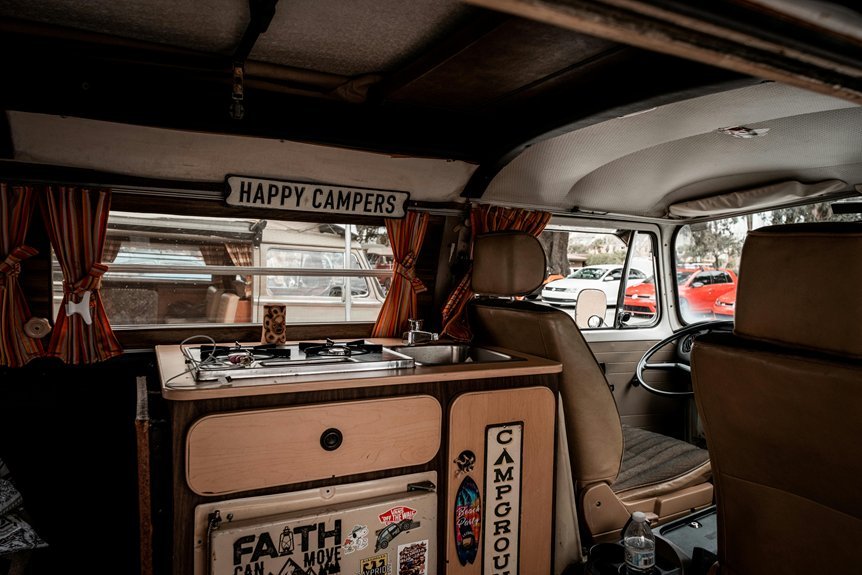
You want a 12V fan that actually cools your van fast. I’ve tested these on hot nights where the air feels thick and still. The right fan feels like a fresh breeze on your skin.
SEEKR Sirocco II stands out in real use. It pushes strong airflow and stays quiet at night. I hear a soft hum instead of a harsh buzz. That matters when you try to sleep.
Dual head fans like TriPole move air across the whole van. Think of it like opening two windows at once. You get a steady cross breeze that keeps sweat off your back.
If you camp in rough spots then pick a metal build. It feels solid in your hand and handles heat well. Plastic units feel lighter but flex over time.
Focus on the specs that count:
- Airflow rated in CFM for real cooling power
- Noise under 50 dB for calm nights
- Stable mount that stays put on bumpy roads
Choose smart and you stay cool wherever you park. More tips ahead will help you dial it in.
12V Heavy Duty 8″ Metal Vehicle Cooling Fan
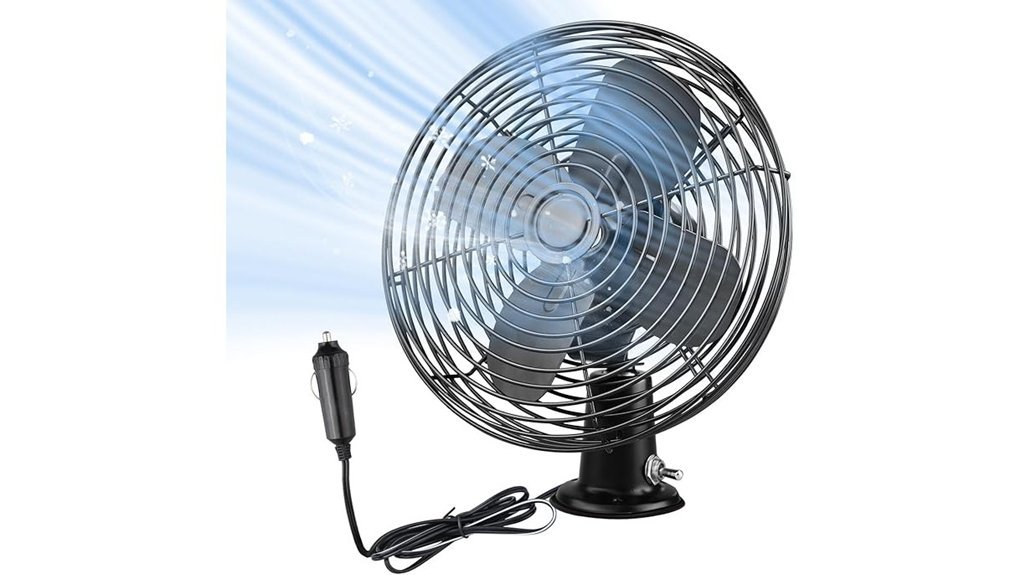
If you want a fan that works as hard as you do, I’ve put this one through rough miles and dusty stops. The 12V *Heavy Duty* 8″ Metal Vehicle Cooling Fan pushes strong airflow the moment you power it on. You feel the breeze right away. It hums at about 45 dB so your cab stays calm and easy on the ears. Like a steady drumbeat, it keeps going without fuss.
I mounted it in a cramped truck cab and it fit with ease. The metal housing feels solid in your hand and shrugs off vibration and grit. I drove on gravel roads and it stayed tight and steady. Heat buildup dropped fast during long idle periods. It runs on 12 watts so it stays efficient for daily use.
Setup took me minutes. You get plug and play wiring plus adjustable brackets that grip well. I tweaked the angle and locked it in place. Two speeds give quick control for airflow changes on the fly.
Best For: You drive an RV or truck or boat and want compact cooling that handles heat and dust like a workhorse.
Pros:
- Strong airflow cools small cabins fast and feels crisp on skin
- Quiet 45 dB sound keeps your ride peaceful like soft white noise
- Metal build handles dust and vibration with lasting strength
Cons:
- Two speed control keeps operation simple with basic options
- Wired install favors fixed mounting spots in tight layouts
- Compact size suits small spaces and focused airflow zones
Quick Specs:
- Power: 12V DC at 12W
- Size: 8 inch fan diameter
- Noise: حوالي 45 dB low hum
- Material: Full metal housing
- Mount: Adjustable brackets with clamps
SEEKR Sirocco II Fan 12/24V Boat RV
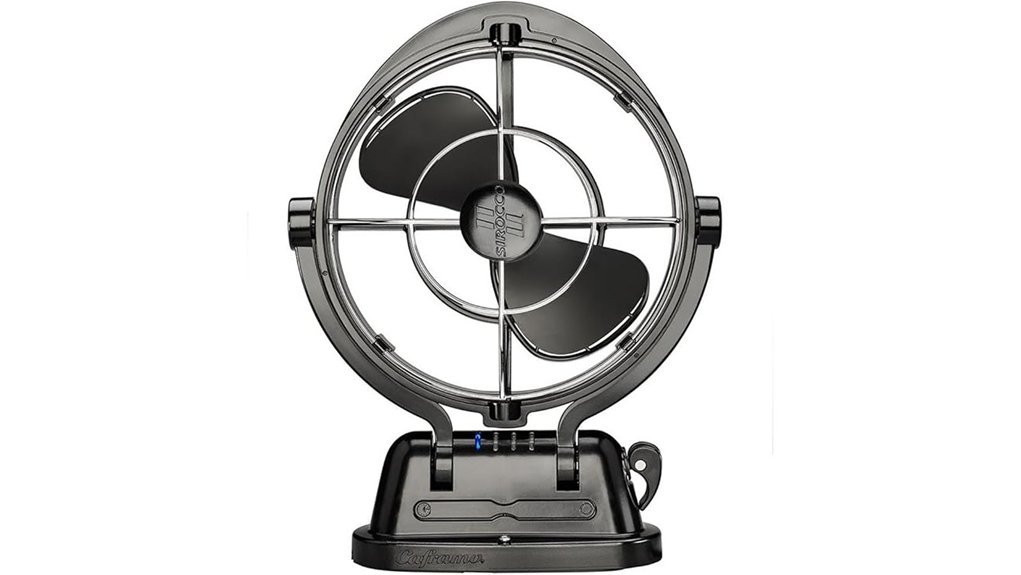
For van life heat, I’ve run the SEEKR Sirocco II in tight cabins and dusty roads. It feels like a small breeze that keeps coming back for more. You get a 12V and 24V auto sensing fan that sips power. On low I saw about 0.12A and a soft hum in the background. On high it pushes up to 185 CFM and you feel it on your skin.
I like the gimbaled mount. You point air right at your face or across the bed. It moves smooth and holds its angle. The 7 inch FingerSafe blade feels secure in close quarters. Speeds are simple at three levels. The timer runs up to 12 hours so you can set it and sleep. Sound peaks near 54 dB and reads like steady white noise. Install uses hardwire and takes a bit of care. Build quality feels solid and ready for road grit. It comes with a three year warranty and that adds peace of mind.
Best For: Van lifers and boaters and RV owners who want low draw airflow with precise aim.
Pros:
- Very low power draw for battery setups
- Full 360° aim so you chase hot spots
- Quiet tone with a sleep friendly timer
Cons:
- Hardwire install needs tools and time
- Airflow suits small spaces like a van bunk
- Price sits higher than basic clip fans
Quick Specs:
- Voltage: 12V and 24V auto sensing
- Airflow: Up to 185 CFM
- Current draw: ~0.12A on low
- Noise: Up to 54 dB
- Blade: 7 inch FingerSafe
- Timer: Up to 12 hours
If you want a fan that sips power and keeps air moving, this one punches above its weight. It’s like a trusty sidekick on hot nights.
TriPole Dual Head Car Cooling Fan 12V/24V
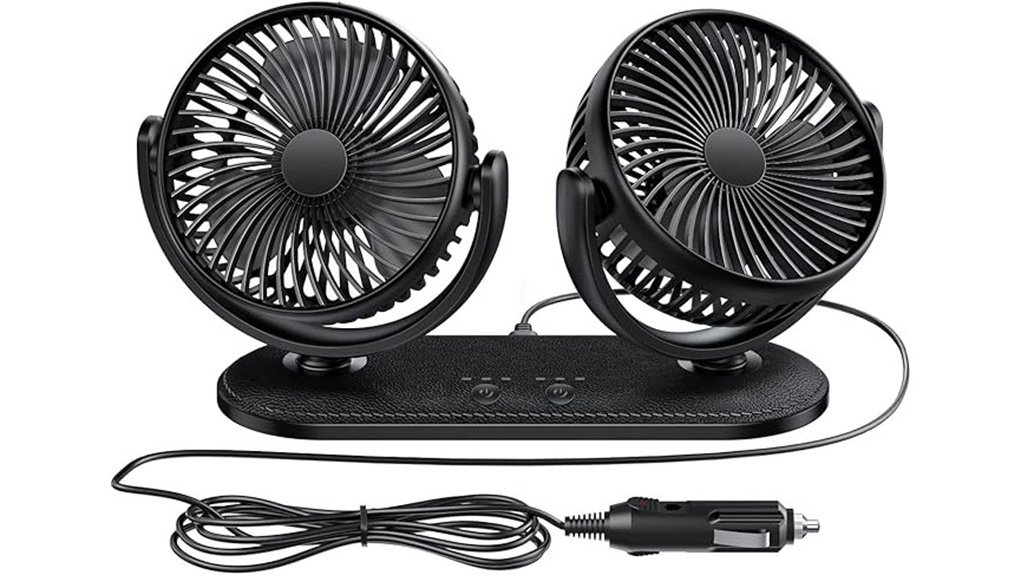
I ran this fan in a camper van during a hot afternoon. Air felt steady and cool on my face. The twin heads work like a tag team. You get control over each stream.
Each head swivels with 300 degree horizontal and 270 degree vertical range. You point air right where you sit. The motor hum stays low at speed one. Crank it up and you feel a strong push of air.
Power comes from a 12V or 24V cigarette lighter. Setup took me minutes. I pressed the 3M pad on the dash and it held firm. The ABS shell feels smooth and light in hand. Size stays compact so it fits tight spots.
You get three speeds for airflow control. Low feels quiet and gentle. High feels brisk and direct. It helps move stale air out and fresh air in. That makes long drives feel less stuffy.
Heat can build at the plug during long runs. I check it by touch now and then. It stays safe with simple care.
Best For: You drive a car or camper with weak AC. You want focused airflow for driver and passenger.
Pros:
- Dual heads give precise shared cooling with wide aim
- Three speeds let you tune sound and airflow
- Fast install with 3M pad on dash or armrest
- Works with 12V and 24V cars RVs and boats
Cons:
- Airflow feels light in peak heat compared to AC
- Plug warmth needs a quick check during use
- Adhesive grip can soften in high cabin heat
Alagoo 12V Dual Head Car Clip Fan
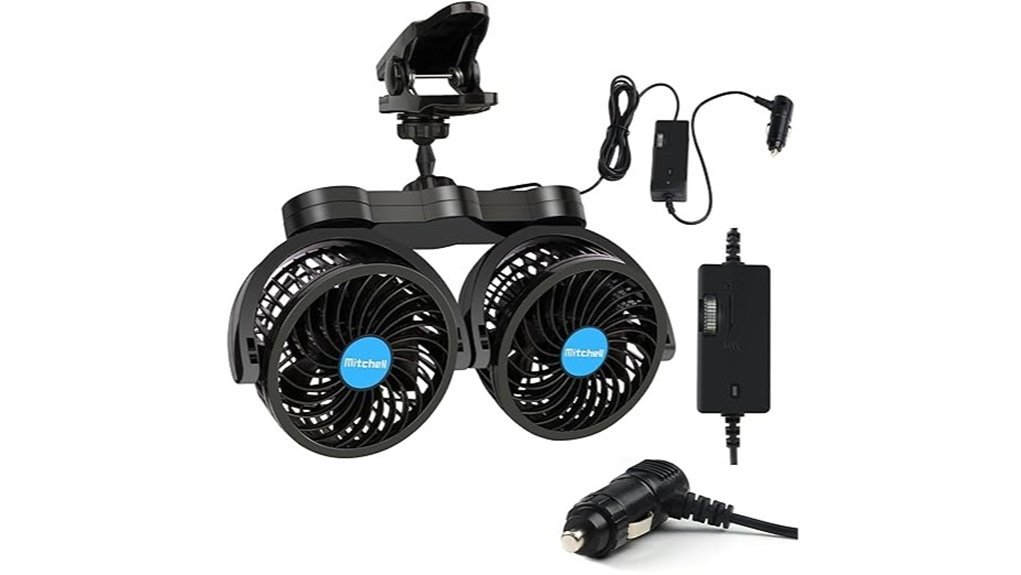
Alagoo packs twin adjustable heads that I used on long drives with kids and a dog. Each 4 inch fan spins full circle. You aim the breeze right where you want. Air feels cool on your skin like a quick splash of water.
You get stepless speed control that turns with a smooth feel. I dial it low for quiet hum at night. I crank it up for midday heat. It plugs into a 12V car socket and runs right away. The 8.2 foot cord reaches from dash to back seat with ease.
The clamp bites down tight on rails or seat backs. It grips up to 2 inches and holds firm on rough roads. The plastic feels light in hand. It stays steady like a barnacle on a rock. I also used it to clear light fog on glass and push out stale smells.
Best For: You want targeted airflow for kids or pets in cars SUVs RVs or boats.
Pros:
- Dual 360° heads give focused airflow for each rider
- Long 8.2 ft cord plus strong clamp gives flexible placement
- Quiet motor with smooth speed control for steady cooling
Cons:
- Needs a 12V socket so use stays in vehicles
- Plastic body feels light over time
- Airflow suits mild heat more than peak summer sun
Lumitronics RV 12V LED Light and Fan Combo
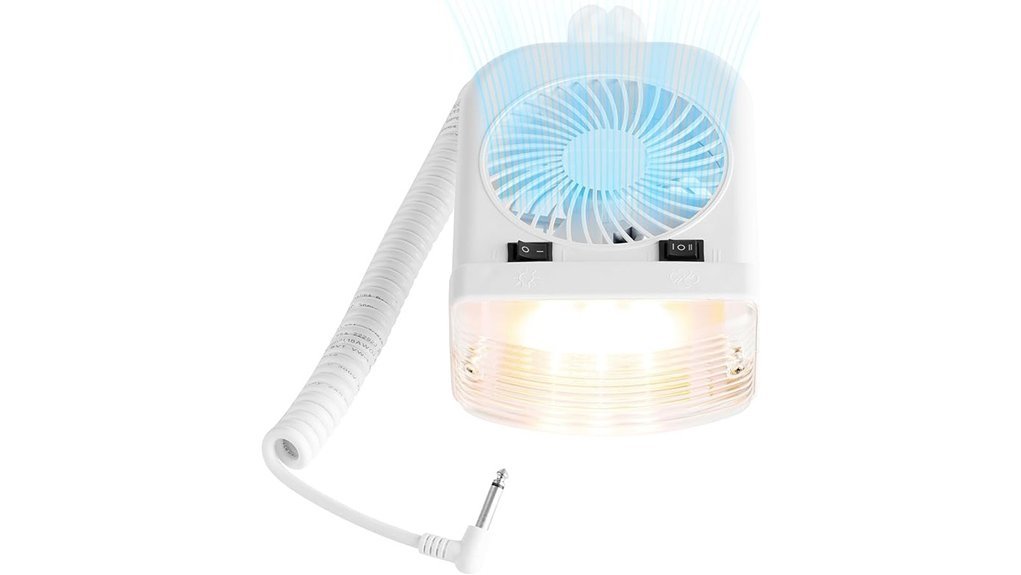
Camp nights get stuffy fast. I’ve used this Lumitronics combo in a van and it pulls its weight. You get *light plus airflow* in one tight unit. It runs on 12V power so it fits most RV setups. The fan hums softly and the LED throws a clean white glow. Think of it as a pocket breeze with a lantern built in.
The 8 foot coiled cord stretches with ease. I clipped it to a shelf and moved it in seconds. You control the LED and the two speed fan with simple rocker switches. That means you pick light or air or both. The polycarbonate lens feels smooth and tough. The housing takes bumps like a champ. The motor has heat protection so it keeps spinning on long nights. It sips power so your battery lasts longer.
Best For: RV campers and van lifers who want a compact 12V LED light with a personal cooling fan.
Pros:
- Dual function control gives you light and airflow on demand
- 8 foot coiled cord adds reach and easy placement
- Tough build handles travel and daily use
Cons:
- Fits 1/4 inch accessory outlets so you may need an adapter
- Two fan speeds give simple control
- 10 inch size takes some space in tight rigs
RoadPro RP-1179 Car Fan, Heavy Duty, 12V, Metal, 7.5″
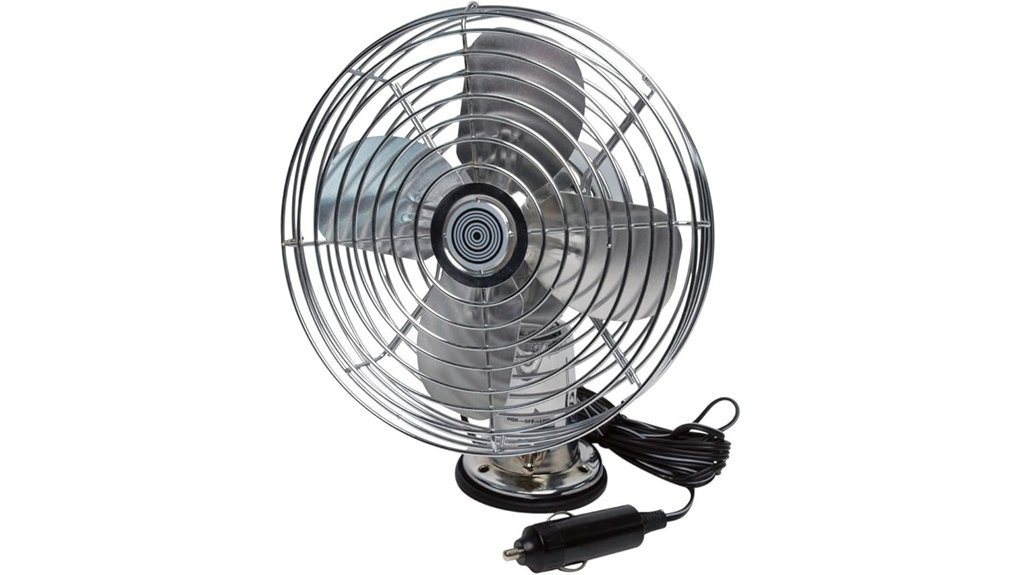
If you want a *rugged dash fan*, I’ve run the RoadPro RP-1179 on long summer drives. It pushes steady airflow you can feel on your skin. The all metal body feels cool and solid in hand. The chrome shines like a truck stop mirror. Its 7.5 inch size moves air across a wide cab. Four blades spin with a soft hum near 30 dB. Think of it like a small desk fan that refuses to quit. You tap a button and pick two speeds. Power comes from a 12V plug with a long 10 foot cord. I mounted it once and it stayed put through rough roads. The 16 watt draw stays light on your system. It fits big rigs like a glove.
Best For: You drive a truck or RV and want a *fixed fan* that keeps air moving mile after mile.
Pros:
- All metal build feels tough and cool to the touch
- Quiet airflow sits near 30 dB with two speeds
- 10 foot cord reaches deep into your cabin
Cons:
- Fixed mount suits a set and forget setup
- Plastic blades inside a metal shell
- 12V plug fits vehicle sockets only
12V Heavy Duty 8.75-Inch RV Cooling Fan
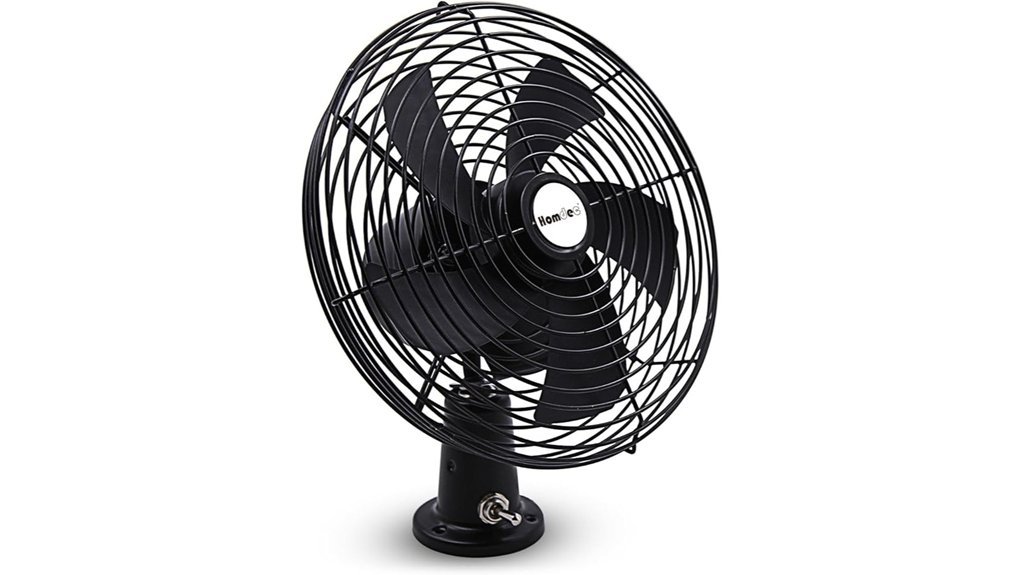
Built for life on the road, I’ve run this heavy duty 12V fan through heat and dust. It keeps air moving like a steady breeze through a cracked window. You feel the metal housing right away. Solid. Cool to the touch. It shrugs off bumps and grime with ease.
The 8.75 inch size slips into tight spots. Think cabinets or low ceilings. Flip the two speed switch and you control the flow. Low hum at night. Strong push by day. It peaks at 50 dB which sounds like a soft fan hum.
Power draw stays low at 15W. Your battery lasts longer on trips. The five blade setup pushes air across your space for cooling and fog control. I noticed stale smells fade fast after a cook session.
Install feels simple. You mount it with screws on a deck or ceiling. Wire it once and you’re set for miles. Homdec includes a one year warranty and quick support which gives peace of mind.
Best For:
Van lifers and RV owners who want compact airflow in tight builds. Great for hot nights and damp mornings.
Pros:
- All metal build feels tough and travel ready
- Low 15W draw saves battery life on long trips
- Compact size fits small spaces with flexible mounting
Cons:
- Wired setup takes a bit of install time
- Two speeds keep control simple
- 50 dB sounds like a steady hum in quiet cabins
Quick Specs:
- Size: 8.75 inch
- Power: 12V DC at 15W
- Noise: Up to 50 dB
- Speeds: Two
- Material: Black metal housing
Factors to Consider When Choosing a 12V Fan for a Camper Van
When I test a 12V fan in a van, I chase one thing first. Airflow you can feel on your skin. If the breeze feels weak, heat sticks like glue. Go for strong CFM ratings so you stay cool on sticky nights.
Noise matters more than you think. A fan can hum like a tired fridge or whisper like a calm breeze. You hear it all night. I pick models that sound soft and steady so sleep comes easy.
Power draw decides how long your battery lasts. I watch the amps like a hawk. Lower draw keeps your setup running longer without stress. It also keeps your wiring cooler to the touch.
Mounting can make or break your setup. Some fans clip on tight. Others need screws and time. I like options that fit fast and hold firm even on rough roads.
Size shapes your whole layout. A bulky fan eats space fast. A compact unit slips into tight corners and still moves air. Portability helps you chase shade or shift airflow where you need it most.
Quick checklist I use:
- Airflow rating in CFM for real cooling
- Noise level in dB for quiet sleep
- Power use in amps for battery life
- Mount type for easy install
- Size for tight van spaces
Pick smart and your van feels like a cool cave on a hot day.
Airflow And Cooling Power
Airflow and Cooling Power
Airflow drives every 12V fan I test. It feels like a steady breeze on your skin. You want strong numbers in CFM, which means cubic feet per minute. Higher CFM pushes air through tight van corners.
I’ve used dual head fans on hot nights. They hit two spots at once. Think of it like a cross breeze in a small room. You feel relief fast.
Speed control matters more than you think. Low feels quiet and soft. High sounds like a steady hum that cuts heat. You stay in control of comfort.
Size plays a big role too. Small fans tuck into tight spaces. Bigger blades move more air with each spin. I notice the difference right away.
Match fan size to your van layout. That choice will *ensure* smooth circulation all day. Your space stays fresh and cool on every trip.
Quick specs to check:
- CFM rating for airflow strength
- Fan size for coverage area
- Speed settings for control
- Dual head design for wider reach
Noise Level
Noise Level
I’ve slept next to plenty of 12V fans, and sound can make or break your night. Think of it like a quiet creek in the background.
Most models list noise in decibels. Aim for 30 to 45 dB for a soft whisper feel. Your ears stay relaxed.
For van life, keep it under 50 dB. You can chat or drift off with ease. Peace matters.
Higher speed brings more sound. I pick fans with several speed levels. You control the balance.
Good design plays a big role. Solid blades feel smooth to the touch. Efficient motors hum gently.
Some high airflow fans stay calm near your pillow. That’s the sweet spot. Power with comfort.
Specs help, yet real use tells the truth. I always scan user reviews. You’ll hear what numbers miss.
Quick tips I follow:
- Check dB ratings before you buy
- Choose multi speed control
- Look for smooth motor design
- Read real user feedback
Power Consumption
Power Consumption
I’ve run these fans through long sticky nights. Power draw tells the real story. You feel it in battery life.
Focus on watts first. Lower watts mean longer runtime. A quiet hum at 5W feels like a gentle breeze on your face.
Current draw matters too. It shows how fast your battery drains. Check it at each speed setting.
I like dual speed fans. You dial airflow to match the heat. That saves power and keeps things cool.
Think of power like a slow leak. Small losses add up by morning. Every amp you save keeps your lights on.
What to check fast:
- Wattage rating near 5W
- Current draw per speed
- Dual speed control
- Stable load on your 12V system
Match the fan to your setup. Your camper should handle the load with ease. I always pair fans with my battery plan.
You hear a soft whirr at night. That sound means comfort without drain. That’s the sweet spot.
Mounting And Installation
Mounting And Installation
A solid install starts with power and placement. I’ve run both hardwired fans and 12V plug models. Plug in units feel quick and clean. Hardwired units feel solid and permanent.
Pick a mount that fits your van walls. Fixed brackets lock in place. Clamps and suction mounts move with ease. I like options when heat shifts during the day.
Check the box before you buy. You want screws and brackets that fit. Extra trips waste time and fuel. I learned that the hard way.
Fit the fan where air flows free. Doors should swing clean. Wires should sit clear and safe. A bad spot kills airflow fast.
Adjustable brackets help a lot. You can aim the breeze right at your bunk. You can chase cool air at night. It feels like finding a sweet spot in a breeze.
Listen for sound during install. A loose mount hums and rattles. A tight mount stays quiet on rough roads. You want a low hum that fades into the drive.
Focus on these points:
- Power type and draw
- Mount style and surface fit
- Hardware in the box
- Clearance around doors and wires
- Adjust angle for airflow
A clean setup keeps things steady and quiet. It also keeps your fan working at its best mile after mile.
Size And Portability
Size And Portability
I’ve tested these fans in tight vans and every inch counts. You want a fan that slips into a nook like a key in a lock. *Size and weight drive daily comfort.* A slim body fits shelves and wall pockets with ease. You move it from bed to stove in seconds. I like models that feel light in the hand and hum soft at night.
Go for a 4 to 8 inch blade for steady airflow and easy clearance. That range hits a sweet spot like a Goldilocks pick. Bigger blades push more air and crowd your path. Smaller blades stay nimble and stash fast.
*Mounting matters.* I use clip mounts on cabinets and a solid base on counters. You get fast placement without tools. The grip should feel firm and quiet.
*Cords shape your layout.* A longer lead reaches your 12V socket with a clean line. You keep floors clear and avoid snags. It’s the difference between a tidy cabin and a tangled nest.
Quick checks I use in the field:
- Blade size: 4 to 8 inches
- Weight: light enough for one hand moves
- Mount: clip or stable base
- Cord length: reaches your outlet with slack
- Noise: soft hum you can sleep through
You’ll feel the breeze on your skin and hear a low purr. That’s the goal.
Durability And Materials
Durability and Materials
I’ve run these fans over washboard roads and dusty tracks. Build quality shows fast. Start with the shell. Pick metal or high impact plastic. It feels solid in hand. It shrugs off bumps like a tank.
Corrosion resistance matters. Salt air bites hard. Humid camps leave a sticky film. A coated finish keeps rust away and keeps it looking clean. Think of it as a raincoat for your fan.
Blades take abuse too. I’ve seen chips from loose gear. Reinforced blades hold shape and keep airflow steady. You hear a smooth whoosh instead of a wobble.
Install and daily use
Sound matters at night. A quiet motor lets you sleep. I listen for a soft hum. Loud fans feel like a mosquito in your ear.
Setup should be quick. You want plug and play wiring. You want solid mounts. Tight hardware keeps it planted on rough roads. It’s set and forget.
- Metal or high impact housing
- Corrosion resistant coating
- Reinforced blades
- Low noise motor
- Plug and play wiring
- Included mounting kit
Pick these traits and you get long life. Your fan becomes a road buddy. It keeps air moving mile after mile.
Conclusion
You’ve seen what works on the road, and I’ve tested these fans in real heat. Now you can pick with confidence. Power or portability. Your call. Each option moves air you can feel on your skin and hear in a soft steady hum.
Focus on fit first. Then check airflow and power draw. I always look for simple mounts and easy controls. It saves time at camp. *Like a breeze through an open window.*
You want comfort that lasts all night. A good 12V fan keeps air fresh and cool. It cuts that sticky van feeling fast. Choose smart and enjoy every stop with calm air and quiet sleep.