
If you want to *fly past the pack* I’d match your shoe to your course and your stride.
I’ve tested these on wet grass and hard dirt. You feel the bite at toe off and hear the snap of each spike on packed ground.
For pure race day speed I’d pick New Balance FuelCell XC7 v5. It feels fast and springy.
Then look at Nike Zoom Rival XC 6 for a light fit and sharp traction.
Saucony Kilkenny XC9 also shines if you want a stripped down feel. These shoes cut through turns like a hot knife through butter.
If you race mixed terrain I like Brooks Draft XC Spikeless. It gives you more comfort and a smoother ride.
You get grip without the harsh feel of full spikes. That makes it a smart pick for grass, gravel, and park paths.
Focus on these key details and you’ll land the right pair.
- Traction, for mud, hills, and tight corners
- Snug fit, for control and race pace security
- Breathability, so your feet stay cool and dry
- Responsive cushioning, for a lively toe off
Pick the shoe that fits your season best. Then go chase the front pack.
Brooks Draft XC Spikeless Supportive Cross-Country Running Shoe
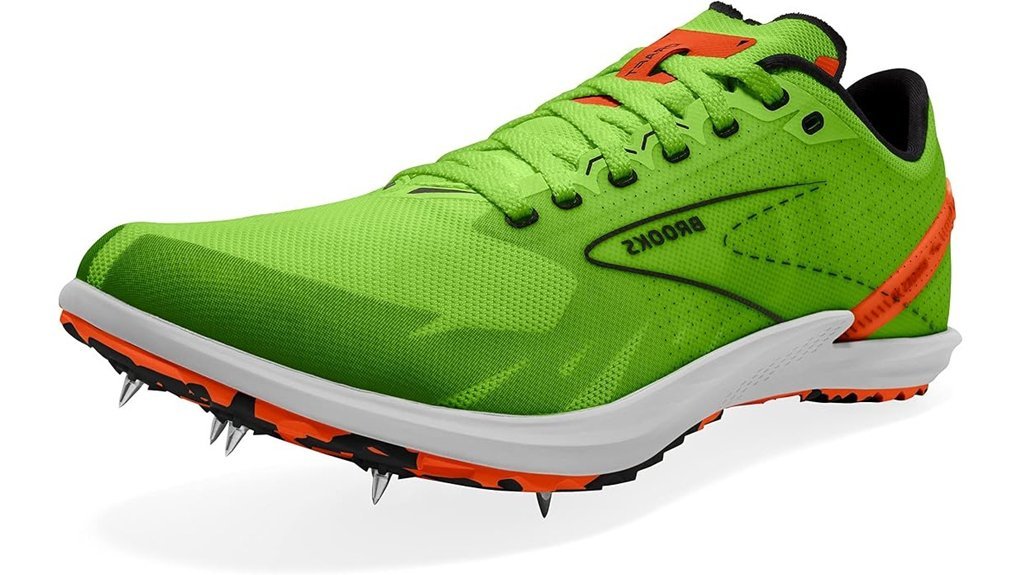
If you want a supportive cross country shoe for a young runner, I’d put the Brooks Draft XC Spikeless near the top. I’ve used shoes like this on wet grass and loose dirt. This one grips well and feels smooth underfoot. Think of it as the middle road. You get trail bite without the harsh slap of a full spike plate.
The outsole uses rubber traction that bites into rugged courses. You also get small spike points that help on soft ground. On gravel and packed mud I felt a steady hold. You hear a light tap on hard paths. On grass the ride stays quiet and quick.
Underfoot, BioMoGo DNA cushioning gives you a lively feel. The foam feels soft at step in and springy at pace. I liked that balance during hard starts and late race pushes. It keeps the shoe friendly for young runners who want support in cross country racing.
Up top, the canvas upper feels light in hand and cool on the foot. The fabric lining feels smooth against socks. You catch that fresh canvas smell out of the box. The heel is the fun part. You can customize it with goal times, mascots, or team cheers. That’s the cherry on top.
Sizing takes a little care. Brooks uses unisex sizing based on men’s sizes. I’d go a half size to a full size up from your dress shoe for a better shot at the right fit.
Best For: Young cross country runners who want supportive traction, soft cushioning, and a spikeless feel on rugged race courses.
Pros:
- BioMoGo DNA cushioning feels responsive and smooth from start to finish.
- Rubber outsole traction and small spike points grip uneven ground with confidence.
- *Custom heel design* lets you add team spirit with times, mascots, or cheers.
Cons:
- Unisex sizing can take extra thought during fit selection.
- Canvas upper feels light and comfy though it offers a softer structure.
- Runners who love a full race spike may prefer a more aggressive cross country shoe.
Quick Specs:
- Type: Spikeless cross country running shoe
- Best surface: Grass, dirt, packed mud, and rugged courses
- Cushioning: BioMoGo DNA
- Upper: Canvas
- Lining: Fabric
- Fit note: Unisex sizing follows men’s sizing
New Balance Unisex Adult FuelCell Xc7 V5 Cross Trainer Shoes
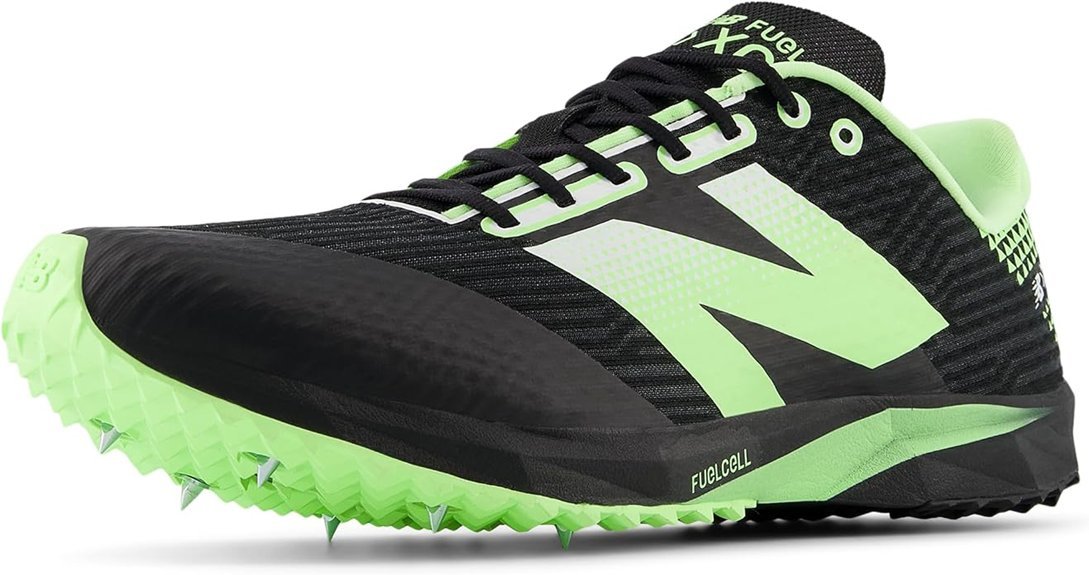
New Balance FuelCell Xc7 V5 Review
I’ve tested the New Balance FuelCell Xc7 V5 on wet grass and packed dirt. It feels *light and quick* right out of the box. The fit hugs your foot without feeling stiff. Think race day energy in shoe form.
Why you’ll like it
If you run cross country and want speed, this shoe hits the sweet spot. The mesh upper feels airy against your foot. You can feel the breeze move through it on cool mornings. That matters when the course gets messy and your feet heat up fast.
The synthetic overlays keep the shoe feeling slim and sharp. The upper has that clean race flat feel. Light in hand. Fast on foot. Like a greyhound off the leash.
Ride and cushioning
The FuelCell foam gives you a springy ride. You feel a little pop at toe off. It helps you roll forward with less effort. On grass and soft ground it feels lively instead of flat.
The midsole shape also keeps weight low. That helps when you’re hopping ruts or cutting corners. I heard the spikes bite the ground with a crisp little scratch on cinder paths. That sound says business.
Grip on mixed courses
Traction is where this shoe earns its keep. The rubber outsole grips well on firmer sections. The 6 removable spike pins add extra bite for mud and wet fields. You can swap them based on course conditions. Simple and smart.
On race day that flexibility helps a lot. Slippery grass can feel like skating on soap. These spikes bring things back under control.
Comfort and fit
The inside feels smooth and breathable. The mesh lining helps cut that hot boxed feeling during hard efforts. You get a secure fit without bulky padding. The result feels stripped down and ready to fly.
This is a race shoe first. So the cushioning stays responsive and lean. If you like a soft pillowy feel, this one leans firmer and faster.
Best For
Best For: Cross country runners who want a lightweight racing shoe with FuelCell cushioning, breathable comfort, and removable spikes for grip on varied terrain.
Pros
- FuelCell foam feels responsive and helps you move forward fast.
- Breathable mesh upper keeps air flowing and feels cool on the run.
- 6 removable spikes give you adaptable traction on mud grass and dirt.
- Light build helps you stay nimble through turns and uneven ground.
Cons
- Spike setup suits cross country racing best.
- Firm race feel works best for runners who enjoy a snappy ride.
- Focused design shines brightest on courses instead of daily road miles.
Quick specs
- Category: Cross country racing shoe
- Midsole: FuelCell foam
- Upper: Breathable mesh with synthetic support
- Outsole: Rubber
- Traction: 6 removable spike pins
- Use: Grass dirt mud and mixed cross country terrain
Final take
If you want a fast cross country shoe with real bite underfoot, I’d pick the New Balance FuelCell Xc7 V5 with confidence. It feels quick. It grips well. It keeps the upper cool and light. For racing on mixed terrain, this shoe is right at home.
Zoom Rival XC 6 by Nike
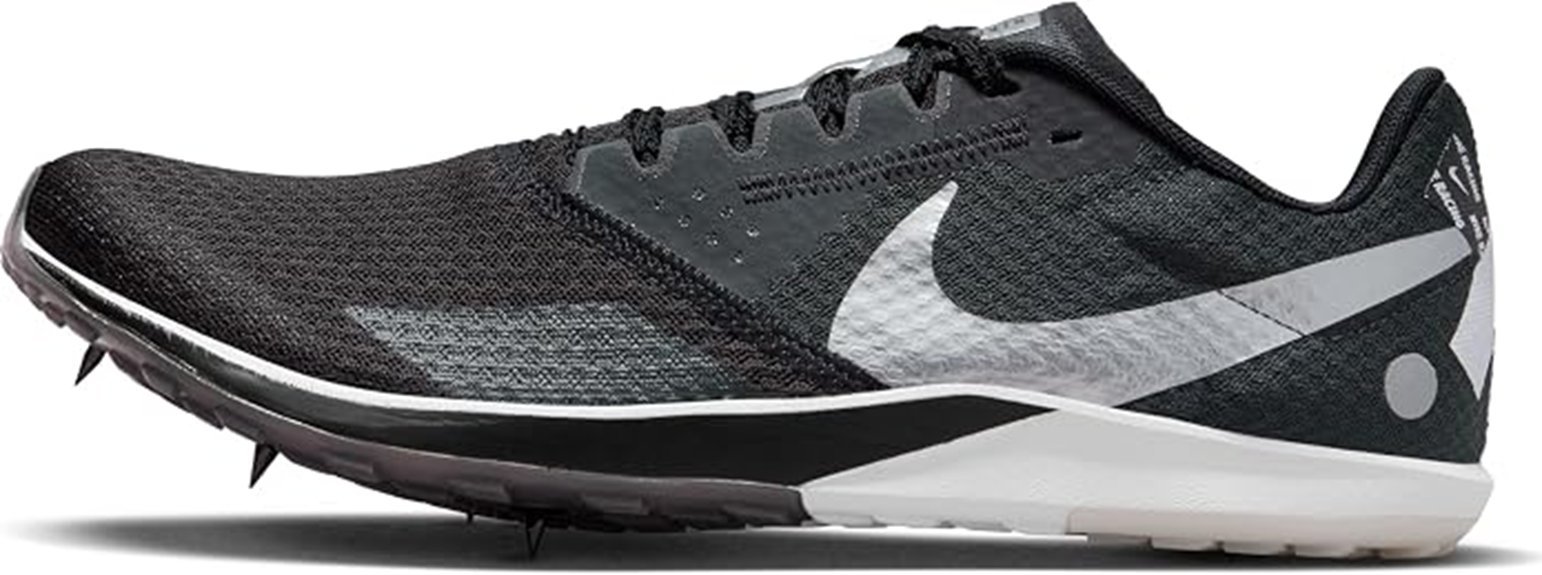
Nike Zoom Rival XC 6 feels built for one job, cross country racing. I’ve tested pairs like this on wet grass and packed dirt. They feel quick underfoot and steady when the course gets sloppy.
Why you’ll like it
You get full length ZoomX foam for a lively ride. It feels springy without turning mushy. On long race efforts I felt stable and smooth. That matters when your legs start barking.
The outsole bites well in soft ground. Mud. Grass. Loose turns. The lugs and full length Waffle outsole work like a tractor tire. You stay connected to the course.
Up top you get a soft mesh upper with a little stretch. It feels easy on the foot and moves well as you pick up pace. The speed laces feel thin and crisp in hand. Once tied they stay put. Set it and forget it.
The synthetic build adds water repellent protection. That helps in dew and light rain. Your feet still get a more comfortable feel when the course turns damp and dirty.
Best For
First time cross country runners. Racers chasing a personal best. You’ll get stable cushioning, solid grip, and light wet weather coverage.
Pros
- ZoomX foam gives you a smooth and lively toe off.
- The midsole keeps the ride stable in longer races.
- Lugs and the Waffle outsole grip well on grass dirt and messy trails.
- The mesh upper feels soft against the foot and flexes with you.
- Speed laces hold a secure knot with less fuss.
- Water repellent materials help in damp conditions.
Cons
- Water repellent coverage suits light moisture best.
- Thin laces feel best for runners who like a race day setup.
- The grip pattern shines most on cross country courses.
Quick take
If you race cross country and want a shoe that feels fast and planted, this one earns a look. I’d pick it for school meets and muddy starts. It’s a workhorse with a little zip.
Saucony Men’s Kilkenny XC9 Spike Sneaker
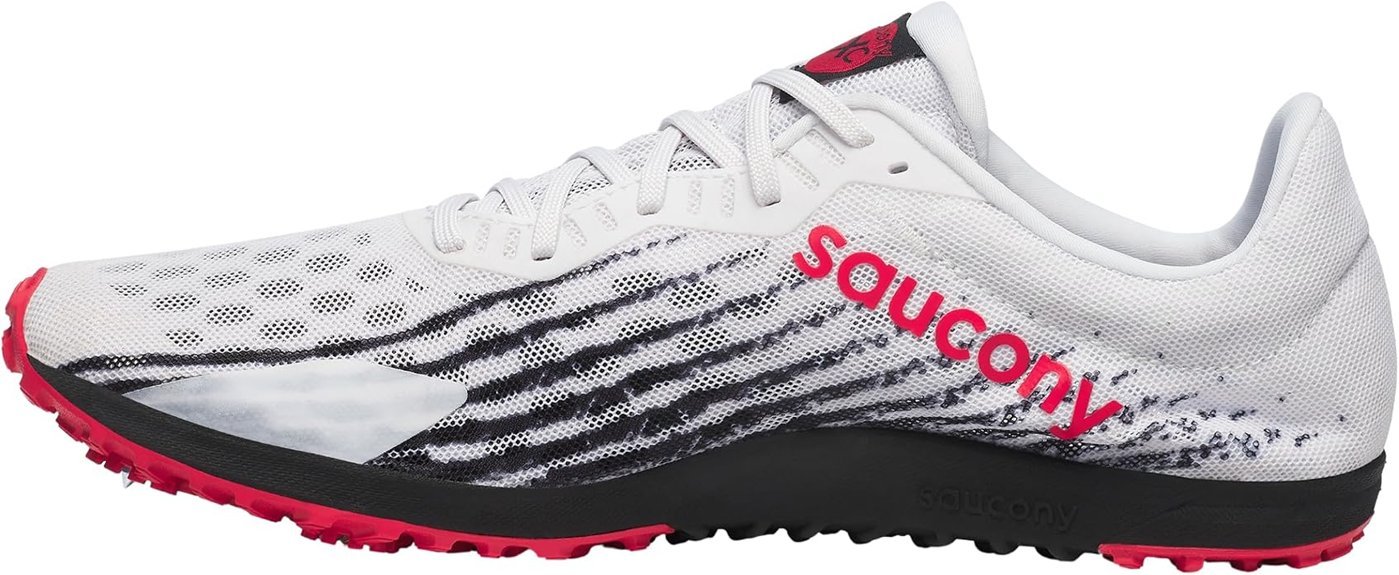
Saucony Kilkenny XC9 Review
I’ve raced in the Saucony Kilkenny XC9 on wet grass and churned up dirt. It feels quick right out of the box. The fit hugs your foot like a glove. That matters when the course gets messy.
The mesh upper feels light to the touch. Air moves well and your feet stay cooler through hard efforts. You also get that race day feel, lean and stripped down. Like a greyhound off the line.
On sharp turns the shoe stays locked in. The lace up fit lets you dial it in fast. I found the hold secure during sprints and late race surges. No sloppy foot slide. Just clean movement.
Underfoot the 4 pin spike plate bites hard into mud and grass. You can hear that crisp spike click on pavement before the start. On soft ground it grabs with confidence. Think of it as claws for the course.
The EVA midsole adds a little bounce and a little cushion. You feel the ground, yet you still get comfort for repeats and race day. That balance works well for cross country runners who want speed without beating up their feet.
The colors pop. The build feels dependable. After testing it in wet and gritty conditions, I’d call this a smart pick for runners who want a lightweight cross country spike with strong traction and a secure fit.
Best For: *Cross country runners* who want a light racing spike for muddy courses and uneven terrain.
Why You’ll Like It
- Ultra light mesh upper keeps airflow moving and trims weight
- Snug fit helps you stay stable through corners and fast finishes
- 4 pin spike plate grips grass, dirt, and slick mud
- EVA midsole adds comfort and impact protection
- Bold Saucony styling looks fast and feels race ready
A Few Things to Know
- This shoe shines most in cross country racing
- The close fit suits runners who like a secure wrap
- The spike setup takes a minute before you hit the start line
Quick Take: If you want a men’s cross country spike that feels fast, grips well, and stays secure on rough courses, the Kilkenny XC9 is a strong bet.
ASICS Men’s GT-2000 14 Running Shoes
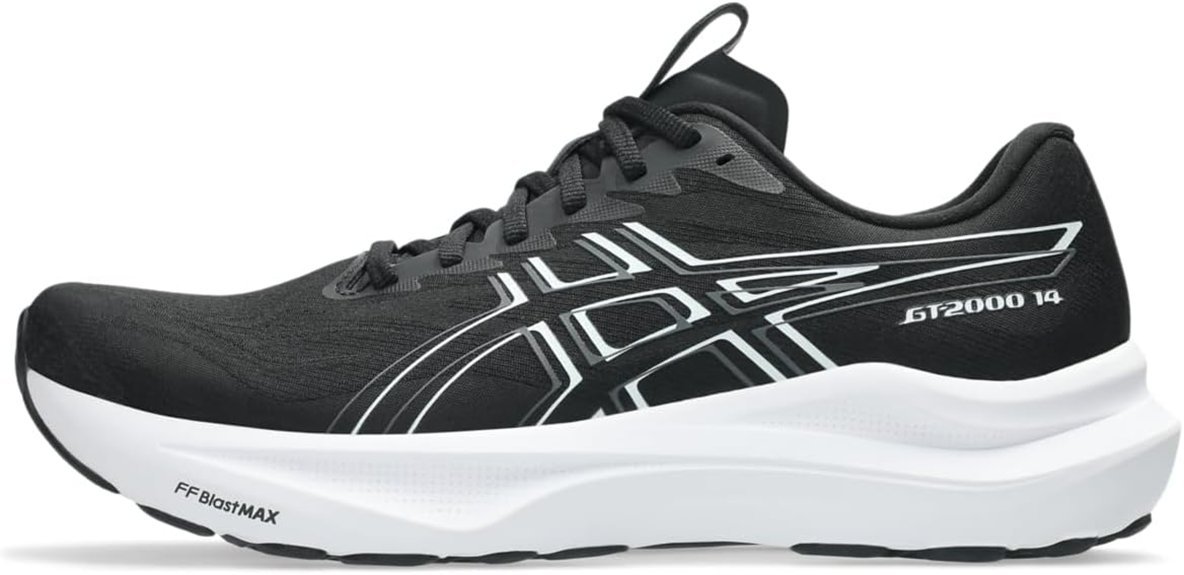
ASICS GT 2000 14 fits you best if you want stable daily miles with a soft springy ride. I’ve run in shoes like this on easy days and long efforts. The feel lands right in the sweet spot.
The woven mesh upper feels light and airy. It lets heat escape fast. Your foot stays fresher when the run heats up. The fabric feels smooth to the touch and less swampy after sweaty miles. The asymmetric tongue wing adds comfort. It also keeps the tongue in place, like a seatbelt for your midfoot.
Step in and you’ll notice Rearfoot PureGEL right away. It gives a soft landing with a muted thud on pavement. The foam and gel team up for a plush feel that still keeps you moving. FF BLAST MAX adds bounce and a lively snap. Each stride feels smooth and a bit peppy. Think pillow with purpose.
The outsole helps the shoe roll forward with ease. That trampoline style pod adds a touch of spring at toe off. 3D GUIDANCE SYSTEM shapes the ride for steady support. In simple terms, the shoe guides your foot with smart sidewalls and structure. You get help where you need it without a stiff brick underfoot.
Durability also looks solid. The rubber grips well on daily road runs. The polyester build feels ready for plenty of miles. I’d call this a strong pick for runners who want comfort and support in one package.
Best For:
Runners who want reliable stability, soft cushioning, and a smooth ride for daily training, recovery runs, and steady road miles.
Pros:
- Rearfoot PureGEL feels soft and plush on landing
- FF BLAST MAX adds responsive bounce for smoother transitions
- Woven mesh upper breathes well and feels cool on warm runs
- 3D GUIDANCE SYSTEM supports your stride in a natural way
- Trampoline inspired outsole pod helps add spring at toe off
Cons:
- The stable ride suits runners who enjoy added guidance most
- The upper feels practical rather than extra luxe
- Imported build may matter if you shop by origin
Why buy it:
If you want a stability running shoe that feels cushioned and lively, this one hits the ground running.
MIFAWA Barefoot Shoes for Men Wide Toe Box
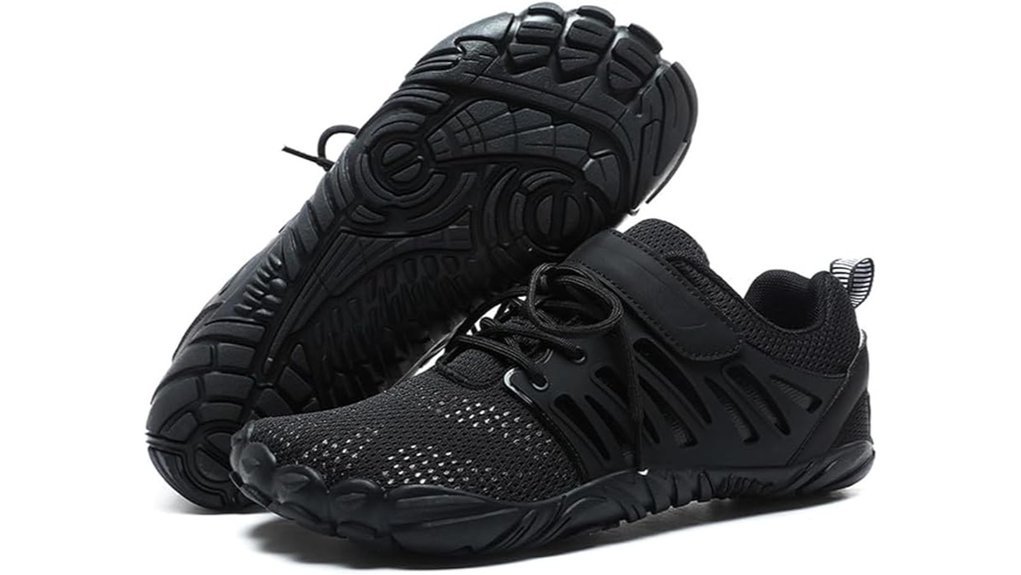
If you want a true ground feel and extra toe space, I’d put the MIFAWA Barefoot Shoes for Men Wide Toe Box on your shortlist. I’ve worn them for gym work, walks, and light trail miles. They feel light on foot and the sole bends with a soft snap, like a shoe that actually listens.
You get a zero drop design. Your heel and forefoot stay level. That helps you stand and move with a more natural posture. On mixed ground, the ride feels steady and close to the earth.
The wide toe box is the star here. Your toes can spread and relax. That gives you better comfort for running, lifting, hiking, and daily wear. If cramped shoes make your feet grumpy, these feel like fresh air.
Underfoot, the flexible rubber outsole grips well and stays pliable. You can feel the texture of pavement, gym floors, and packed dirt through the sole. That barefoot style feel adds control without making the shoe feel stiff as a board.
Inside, you get cushioned EVA insoles with light arch support. They feel soft to the touch and easy on longer days. You can also remove them for a more pure minimalist feel. I like that option because it lets you tune the ride to your feet.
Best For: Men who want *barefoot shoes for gym workouts, running, lifting, hiking,* and all day casual wear with a wide toe box and natural foot movement.
Pros:
- Zero drop platform supports a natural stance and smoother body alignment.
- Wide toe box gives your toes room to splay for comfort and balance.
- Flexible rubber sole provides grip, ground feel, and foot freedom.
- Removable EVA insole lets you choose more cushion or a more barefoot ride.
Cons:
- Minimal cushioning suits runners and lifters who enjoy a close to ground feel.
- Barefoot design shines most after a short break in phase.
- Light structure fits best for people who like natural movement over firm guidance.
adidas Men’s Terrex Tracefinder Trail Running Shoes
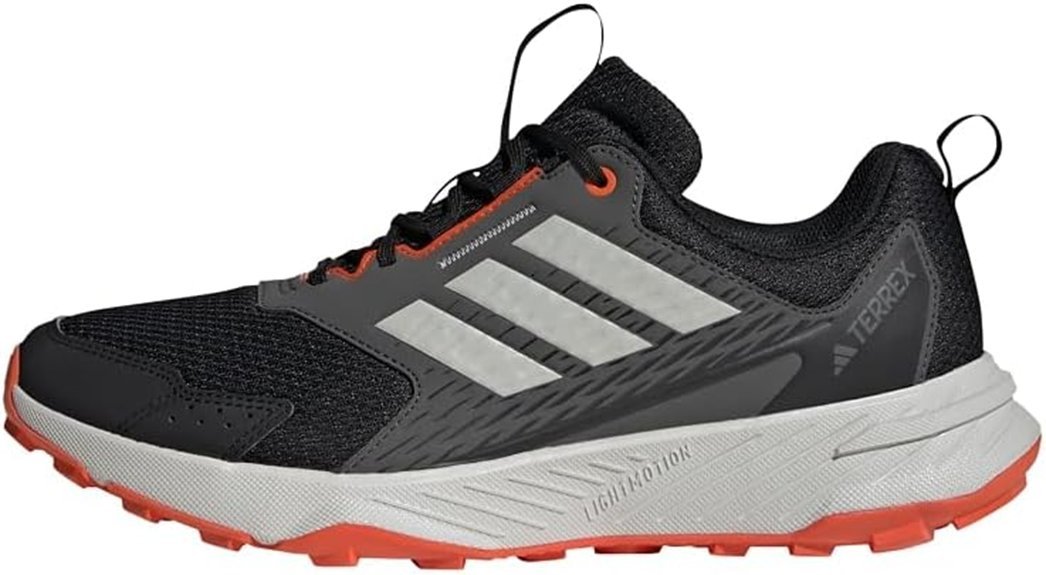
If you want a trail running shoe that feels ready for daily dirt miles, I’d put the adidas Men’s Terrex Tracefinder on your list. I’ve found it hits a sweet spot. *Grip, comfort, and trail support.* No fluff.
The mesh and synthetic upper feels light in hand and airy on foot. You get a faint clean fabric smell right out of the box. On the trail it keeps air moving and adds structure where you need it. The fit feels secure once you cinch the laces. Think of it as a trusty mule for mixed terrain.
Under the shoe, the Traxion rubber outsole bites well on gravel, dry dirt, and loose ground. You can hear the lugs tap on hardpack with a firm little slap. That tread gives you solid trail traction for runs, hikes, and everyday outdoor use. The ride stays comfortable too. *Steady as a goat on a hillside.*
At 12.2 ounces in size 9, it lands in a practical middle ground. You still get enough agility for daily runs. You also get a stable feel for longer outings. The 10 mm drop helps if you like a familiar road to trail transition. I also like the partially recycled build. It uses at least 20% recycled and renewable materials, which adds a feel good touch.
Best For:
Trail runners and outdoor users who want a lightweight trail shoe with breathable comfort, dependable traction, and durable support for mixed terrain.
Pros:
- Traxion outsole grips loose and uneven surfaces well.
- Breathable upper feels light and supportive on the move.
- Lace up fit helps you stay locked in on uneven ground.
- Recycled and renewable materials add a more eco minded build.
Cons:
- 10 mm drop suits runners who enjoy a higher heel to toe feel.
- 12.2 ounce weight fits daily training more than stripped down speed days.
- Reinforced upper gives you a firmer feel over a soft slipper like ride.
Quick Specs:
- Upper: Mesh and synthetic
- Outsole: Traxion rubber
- Weight: 12.2 oz, size 9
- Drop: 10 mm
- Closure: Lace up
- Sustainability: At least 20% recycled and renewable materials
Bottom line:
The adidas Terrex Tracefinder is a solid pick for trail running, light hiking, and mixed surface training. You get grip you can trust and comfort that lasts. It feels like a workhorse, in a good way.
Under Armour Men’s Charged Assert 9 Running Shoe
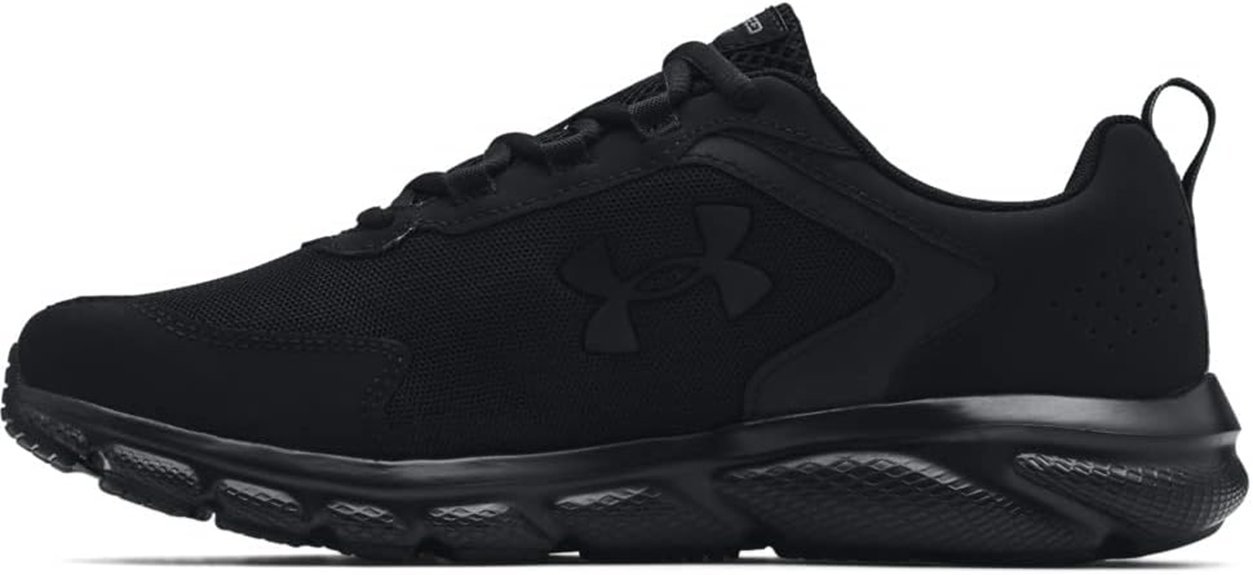
Under Armour Charged Assert 9 Review
I’ve run in the Under Armour Men’s Charged Assert 9 and it feels quick on foot. It gives you a smooth ride with a lively push. Think of it as a trusty daily driver for your miles.
Quick take
If you want a neutral running shoe for daily training this one hits a sweet spot. You get soft impact protection and solid bounce. The ride feels light and the upper stays airy even when your feet heat up.
What stands out
The Charged Cushioning® feels springy underfoot. Each step lands with a soft thump and rolls forward with a bit of pop. On pavement and mixed routes I felt that extra energy come through.
The lightweight mesh upper lets air move well. You can feel the breeze across your toes and that helps on warm runs. The leather overlays hug the midfoot and keep the fit secure. That added hold feels like a seatbelt for your stride.
The EVA sockliner gives the shoe a soft first feel. Step in and you get a plush touch right away. It has that fresh foam feel you notice the second you slip it on.
Underfoot the compression molded midsole adds structure and comfort. The solid rubber outsole covers key wear zones and grips well on everyday surfaces. You hear a firm tap on concrete and the traction feels steady.
Best for
Best For:
Neutral runners and active men who want a lightweight running shoe with responsive cushioning breathable comfort and extra midfoot support for everyday training.
Pros
- Charged Cushioning® absorbs impact and adds responsive energy return.
- Mesh upper keeps the shoe breathable and light.
- Leather overlays improve midfoot stability and lockdown.
- EVA sockliner adds soft step in comfort.
- Rubber outsole boosts traction and long wear in high impact areas.
Cons
- This fit works best for neutral runners.
- The leather panels create a more structured feel.
- The material listing may feel a bit mixed for detail focused shoppers.
Final verdict
I’d recommend the Under Armour Charged Assert 9 if you want comfort speed and everyday durability in one package. It handles training miles well and feels easy to wear. For many runners it’s a solid pick that keeps the wheels turning.
Salomon Men’s Speedcross Peak Trail Running Shoes
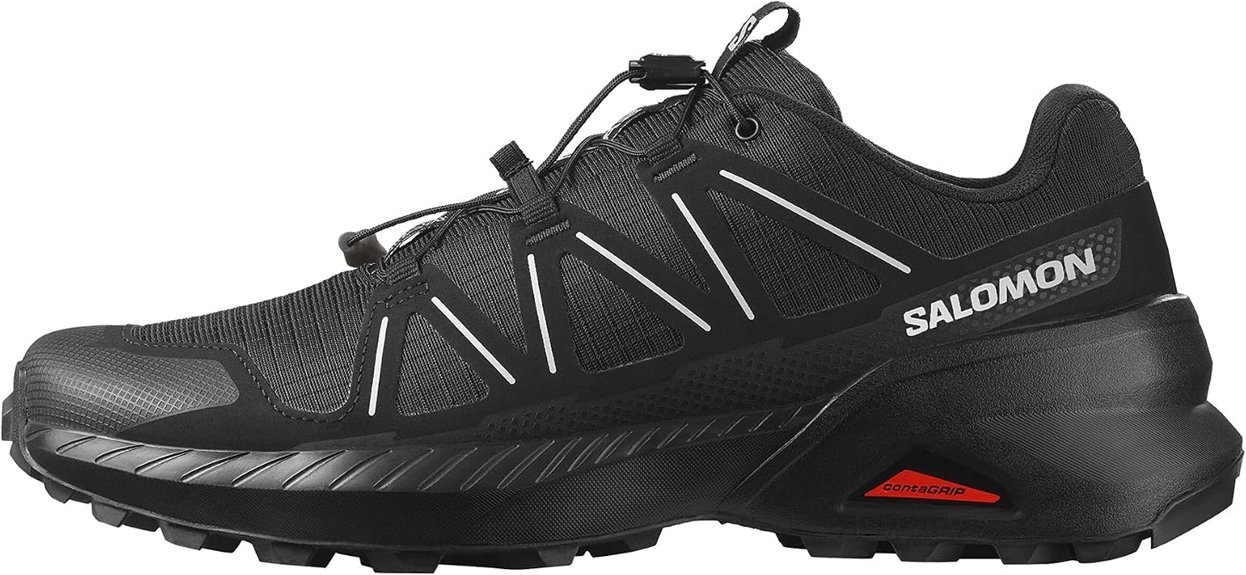
Salomon Men’s Speedcross Peak Trail Running Shoes fit best when you want *serious grip* on rough trail runs. I’ve worn them on muddy singletrack and rocky cross country loops. They feel planted fast.
The first thing you notice is the All terrain Contagrip outsole. The lugs bite like a hungry dog. On wet dirt you hear that crisp clawing sound. On loose gravel you feel the sole grab and hold.
Up top you get a synthetic and textile build with an ankle height cut. It feels light in hand and smooth to the touch. You get a nice mix of support and freedom.
I liked the heel cap and toe cap right away. They take the sting out of rocks and roots. That extra shield matters when the trail gets wild.
Sensifit wraps your foot with a close hold. The fit feels dialed in and secure. Quicklace makes setup fast. Pull it tight and tuck the lace away. Easy as pie.
If you run trails at mixed paces this shoe makes sense. If you hit mud hardpack loose dirt or forest paths it shines. That’s where it earns its stripes.
Best For
Trail runners who want all terrain traction, trail protection, and a secure fit for rough cross country routes.
Key Specs
- Imported trail running shoe
- Rubber sole
- Synthetic and textile upper
- Ankle height design
- All terrain Contagrip outsole
- Sensifit fit system
- Quicklace closure
- Protective heel cap
- Protective toe cap
Pros
- Grip stands out on wet ground dry dirt hard trail and loose surfaces
- *Foot protection feels solid* when rocks and roots start talking back
- Quicklace and Sensifit give you a snug fit fast
Cons
- Ankle height shape gives a more structured feel than low cut trail shoes
- Deep lugs suit trails best and feel like overkill on smooth pavement
- Quicklace has a *love it or leave it* vibe for runners who enjoy classic laces
Bottom Line
If you want a Salomon trail running shoe for rough routes this one delivers. You get bite underfoot and coverage up top. For cross country miles it’s a trusty trail mule with a mean grip.
Barefoot Cross-Country Running Shoes Wide Toe Box
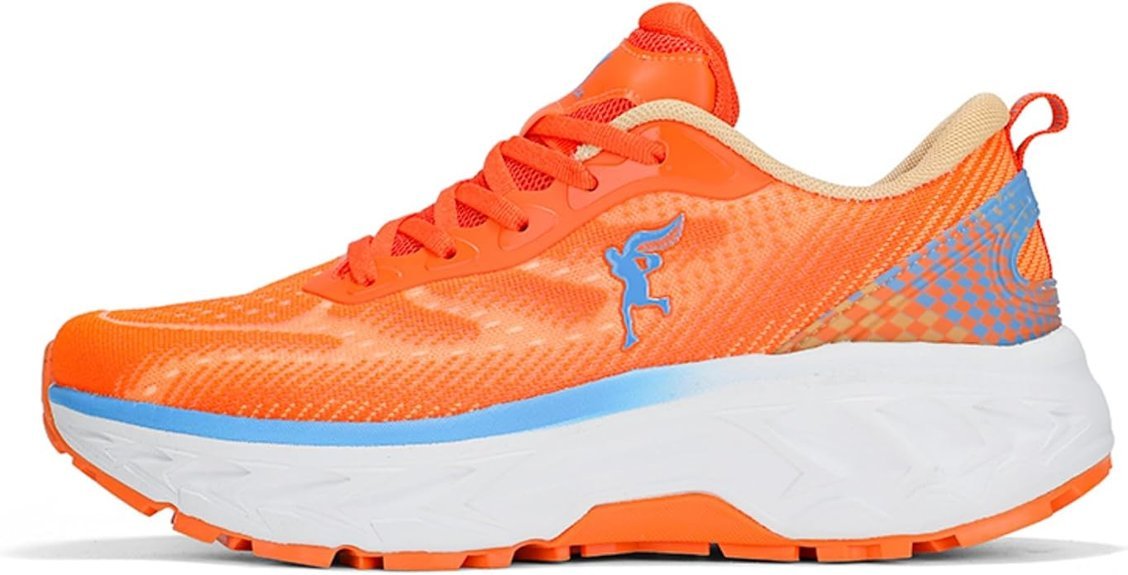
If you want natural foot movement with room up front, I’d pick this wide toe box barefoot shoe first. I’ve worn it on dirt paths and daily walks. It feels light and free. Like letting your feet breathe after a long day.
The zero drop platform keeps your heel and forefoot level. You feel more balanced with each step. Your stride stays smooth and steady. The ride feels close to the ground, with that soft slap of rubber on packed trail.
That wider forefoot gives your toes space to spread. You get better stability on turns and uneven ground. The fit feels open instead of cramped. Think of it as a front row seat for your toes.
Up top, the mesh and knit feel soft against the skin. Air moves through fast. Your feet stay cooler on warm runs. At the heel, memory foam adds a gentle touch. It helps cut rubbing, so hot spots stay in check.
The rubber toe guard adds trail ready protection. You can brush past rocks and roots with more confidence. Down below, the textured rubber outsole bites well on wet ground. It flexes often and still feels ready for more.
Best For:
Runners, walkers, and active commuters who want a barefoot cross country running shoe with a wide toe box, *zero drop alignment*, and solid grip for daily wear and light trail miles.
Pros:
- Wide toe box lets your toes splay naturally for comfort and balance.
- Breathable mesh and knit upper feel cool and soft.
- Memory foam at the heel helps reduce rubbing.
- Zero drop design supports a natural stride.
- Textured outsole grips pavement, dirt, and damp ground well.
Cons:
- Best for dry days and light moisture.
- Barefoot feel suits runners who enjoy a firmer ride.
- Lace up design takes a little more time than a slip on shoe.
Quick Specs:
- Upper: Mesh and soft knit
- Closure: Lace up
- Platform: Zero drop
- Toe Protection: Reinforced rubber toe guard
- Outsole: Textured rubber
- Use: Road to trail, walking, commuting
Factors to Consider When Choosing Cross Country Shoes
Match the outsole to the course. I’ve felt soft mud suck at the sole and heard gravel crunch underfoot. *Grip changes everything.* Deep lugs bite into wet grass and loose dirt. Slimmer tread rolls faster on firmer ground. It’s the make or break call on race day.
Pick spikes or spikeless with purpose. You need traction that fits the route and the rules. Spikes dig in on slick turns and steep hills. Spikeless shoes feel smoother and often more natural for mixed terrain. I’d choose based on course feel and your comfort, because happy feet run fast.
Dial in comfort and fit. Your shoe should cushion each landing and hold your foot without pinch. A snug fit helps on sharp corners and uneven trails. Breathable mesh keeps air moving and cuts that hot shoe smell after hard miles. Think of it as *your cockpit*, everything should feel right before you fly.
Course Terrain Grip
Course Terrain Grip
Cross country terrain changes fast. I’ve felt dry grass turn to slick mud in a few strides. *Grip keeps you upright and moving.*
Check the outsole first. That’s your traction system. The best cross country shoes use sticky rubber lugs that claw into dirt, grass, and loose rock. You can feel the bite on soft ground. You can hear the crisp scrape on gravel. It’s the difference between smooth turnover and a slip that costs seconds.
I always rate traction near the top. Good grip saves energy. It helps you corner cleanly and climb with control. On mixed terrain it works like a surefooted goat. Funny image, yes. Accurate too.
Look for these features:
- Rubber outsole for grip and wear
- Deep lugs for mud and soft trails
- Sharp lug pattern for better bite on turns
- Adaptable traction for different course conditions
If you race on varied courses, pick shoes that match changing ground. *That choice boosts speed, control, and safety.*
Spiked Vs Spikeless
Spiked vs Spikeless
I’ve raced in both, and grip starts at the ground. On soft grass or wet mud, *spiked cross country shoes* dig in fast. You feel the pins bite. You hear that sharp crunch on packed dirt. It’s like having claws for your feet.
If your course stays slick or gets churned up, spikes help you hold speed****. They keep your stride cleaner and your footing steadier. That matters in cross country racing.
*Spikeless shoes* take a different path. They use a rubber outsole and tread pattern for traction. I like them for mixed terrain. Think grass, gravel, and pavement in one run. They feel smoother on hard ground too. Less slap. Less harshness.
For daily use, spikeless shoes win on ease.
Here’s the quick read:
- Spiked shoes
- Best for soft grass
- Strong in mud
- Better for uneven ground
- Use removable spike pins
- Need pin checks and replacement
- Spikeless shoes
- Best for mixed surfaces
- Better for training runs
- More comfortable on pavement
- Usually last longer
- Easier to live with
Your pick comes down to course conditions and how often you train in them. If race day smells like wet grass and mud, I’d grab spikes. If you want one pair for many runs, spikeless shoes fit the bill.
Cushioning And Support
Cushioning and Support
Cushioning and support decide how your shoes feel once the trail gets mean. I’ve felt that sharp thud on hard dirt and loose rock. *Good midsoles take the edge off.*
Responsive foam like BioMoGo DNA or FF BLAST MAX keeps your stride soft and lively. You get impact protection with a springy feel. That matters on long runs where every step starts to sound like a drumbeat.
Look for cushioning that stays light in hand and smooth underfoot. Heavy shoes can feel like bricks by mile ten. Light foam helps you stay quick and fresh.
Support matters just as much. Your shoe should guide your foot through a natural stride. Some runners love zero drop shoes for a level platform and stronger lower leg work. It’s a bit like giving your feet a fair shake.
I also check arch support right away. You can feel it when the fit clicks. The right shape helps keep your stride stable on cambered paths and rocky ground. That means better control on race day and less wobble in each landing.
What to check
- Midsole foam, soft yet responsive
- Impact absorption, helpful on hard and rocky trails
- Arch support, matched to your foot shape
- Zero drop or balanced platform, based on your running style
- Lightweight cushioning, for comfort without bulk
Pick the mix that fits your stride and your terrain. Your legs will thank you.
Fit And Sizing
Fit and sizing can make your race or sink it like a stone. I’ve found that most cross country shoes run in unisex sizing. That usually lines up with men’s measurements. You’ll often do best with a half size or full size up from your dress shoes.
That extra space gives your feet room to breathe. It also keeps the fit fast and controlled. *Think snug, not squished.*
You want a secure hold through the midfoot. A firm upper feels smooth against the skin. Tight laces give a crisp pull you can feel right away. That locked in fit helps you sprint, corner, and tackle uneven trails with more stability. It also cuts down on hot spots and blisters.
Check the toe box too. Your toes should spread with ease. That small detail can improve balance and comfort on longer runs. Mud, grass, and gravel all feel easier to handle when your foot can move naturally.
Don’t stop at size alone. Pay attention to cushioning and support underfoot. I like a ride that feels *responsive* and protective. You should hear that light snap on takeoff and feel a stable landing on hard packed ground.
Quick fit tips:
- Go up a half size or full size in many unisex cross country shoes
- Look for a snug midfoot fit
- Choose a toe box with natural toe spread
- Check the lacing for a secure lockdown
- Test cushioning and underfoot support for race day comfort
Breathability And Upper
Breathability and Upper****
After I lock in the fit, I check the upper right away. *Breathability* can make or break a long cross country race. Your feet throw off heat fast. Sweat builds. A stuffy shoe feels like a sauna for your toes.
I usually lean toward a mesh upper. It lets air move through the shoe. Your feet stay cooler. Your socks feel less soggy. That means fewer hot spots and a smoother ride over long miles.
Some cross country shoes use soft stretchy fabric too. I like that combo. It wraps your foot with a close feel. It still lets heat escape. That sweet spot is worth its weight in gold on rough grass and uneven trails.
A good upper also dries fast after wet grass or muddy patches. You can feel the difference. Less squish. Less rub. Less of that damp sock smell that hits when the race gets messy.
Look for these features:
- Mesh panels for airflow
- Stretch fabric for a secure fit
- Quick drying materials for wet courses
- Light upper construction for race day speed
If you want comfort that lasts, start here. A breathable upper helps your shoe feel *light, cool,* and ready for the next hill.
Weight And Speed
Weight and Speed
Cross country shoes weigh less than standard running shoes. I feel that fast lift the moment I lace them up. You want that quick snap on grass, dirt, and mud.
Light shoes help you stay agile on uneven ground. They let you cut corners and climb without dead weight. Think of them as a feather with claws.
Still, balance matters. Extra cushioning feels plush at first touch. It can also make the shoe feel thick and slow. A very thin midsole gives you more ground feel and a sharper ride.
I’d aim for a lightweight cross country shoe with *solid traction* and steady support. You want grip you can hear bite into wet turf. You want comfort that stays smooth when the course gets rough.
Durability And Protection
Durability and Protection
I’ve run through mud, wet grass, and loose gravel in these conditions. Cross country courses chew up weak shoes fast. *Light weight* helps you stay quick. Durability keeps you in the race.
Look for:
- Lightweight synthetic uppers
- Tough rubber soles
- Firm support through the midfoot
That mix feels like the sweet spot. You get speed in hand and grit underfoot.
Protection matters too. I can feel the difference when a shoe has a reinforced toe cap. It blocks sharp roots and loose stones before they bite. A solid heel adds cushion and keeps its shape after hard miles.
Under your foot, the outsole does the dirty work. You want:
- Durable rubber
- Deep lugs for traction
- Grip for uneven trails
That tread grabs the ground with a soft scrape on dirt and a firm bite on rock. It helps you stay steady through turns and slick patches.
Breathable materials help just as much. Shoes with moisture wicking liners feel cooler and smell fresher after a wet run. They also shed sweat and water fast. That keeps the upper in better shape over time. Less soggy shoe. More happy feet.
Racing Vs Training
Racing vs Training Shoes****
I’ve tested both on wet grass, packed dirt, and hard pavement. The difference feels clear from the first stride.
Racing shoes chase speed.
They feel light in your hand and sharp underfoot. Think *race car on a back road*. You get:
- Lightweight uppers that keep the shoe fast
- Aggressive traction for mud, grass, and uneven ground
- Removable spikes in many models for extra bite
- Snug fit that keeps your foot locked in place
- Firmer midsoles for quick rebound and better energy return
On race day you’ll notice the ground more. You may hear the spikes click on hard paths. The fit feels close and secure, almost like a handshake.
Training shoes favor comfort.
I reach for them on daily runs and long sessions. They feel softer to the touch and quieter on the road. *They’re the workhorse in your stable.* You get:
- Durable rubber outsoles that handle pavement and mixed surfaces
- More cushioning for long miles
- Responsive foam that softens impact
- Roomier fit that gives your feet space as they swell
- Better moisture control for warm or humid runs
After a few miles you can feel the extra cushion. It takes the sting out of hard ground. Sweat also feels easier to manage inside the shoe.
My quick take.
Pick racing shoes if you want pure speed and grip. Pick training shoes if you want comfort and daily durability. For most runners, both have a clear job. One helps you fly. One helps you grind.
Conclusion
With the right cross country shoes you feel fast from the first step. I’ve tested pairs on wet grass, loose dirt, and sharp turns. Some give you race spikes and bite. Some bring soft cushion and smooth comfort. Some feel *light as a whisper*.
Pick the pair that matches your stride and course. Then you can chase split times with grit and confidence. The best shoes grab the ground, shed mud, and stay snug when your feet heat up. You hear the spikes click at the line. You feel the upper hug your foot. That’s the *starting gun to a great race*.
My advice? Choose for fit first. Choose for traction next. Then lace up and let the course eat your dust.