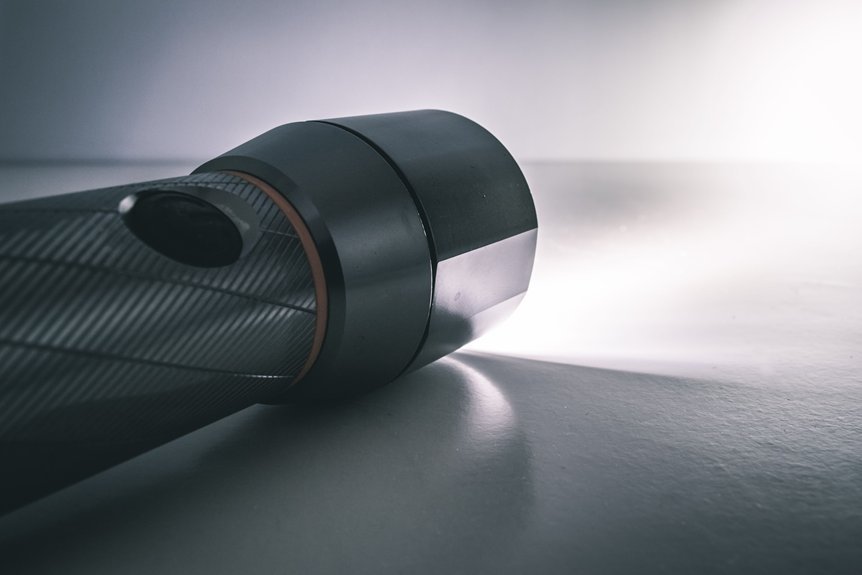
You want a light that feels right in your hand and hits hard on output. I’ve carried these on wet trails and dark basements. My pick starts at 1000 lumens for real punch. That level cuts through fog like a hot knife through butter.
Size matters. A compact body slips into your pocket with ease. I like smooth aluminum that feels cool and solid. You hear a clean click on the switch. That sound builds trust fast.
Brands like Lighting EVER, Blukar, and TrixHub deliver strong value. I’ve tested each on night hikes and power cuts. They throw a tight beam that reaches far. You see clear edges and rich contrast.
You also want smart features. Modes add control in the dark. Zoom helps you spot or flood a path. SOS gives peace of mind in a pinch. Think of it as your pocket lighthouse.
Battery life shapes the whole experience. I prefer high capacity cells that last all night. USB recharge keeps things simple. Heat stays low in good designs so your hand stays comfy.
Here’s what I check every time:
- Brightness: 1000 lumens or higher for outdoor use
- Beam distance: clear focus past 100 meters
- Build: aircraft grade aluminum with a grippy feel
- Modes: high, low, strobe, SOS
- Power: rechargeable battery with long runtime
- Water resistance: handles rain and splashes
Each model has a *unique* feel in the field. Lighting EVER feels light and quick. Blukar offers a crisp beam with easy controls. TrixHub brings a tough shell that shrugs off drops.
Pick based on your use. Camping calls for long runtime and wide flood. Daily carry favors slim size and fast access. Emergency kits need simple controls you can use half asleep.
I’ve pushed these lights through mud and cold nights. They held up and kept shining. Choose one that fits your grip and your routine. Then you’ll always have light right where you need it.
Lighting EVER LED Flashlight High Lumens Waterproof
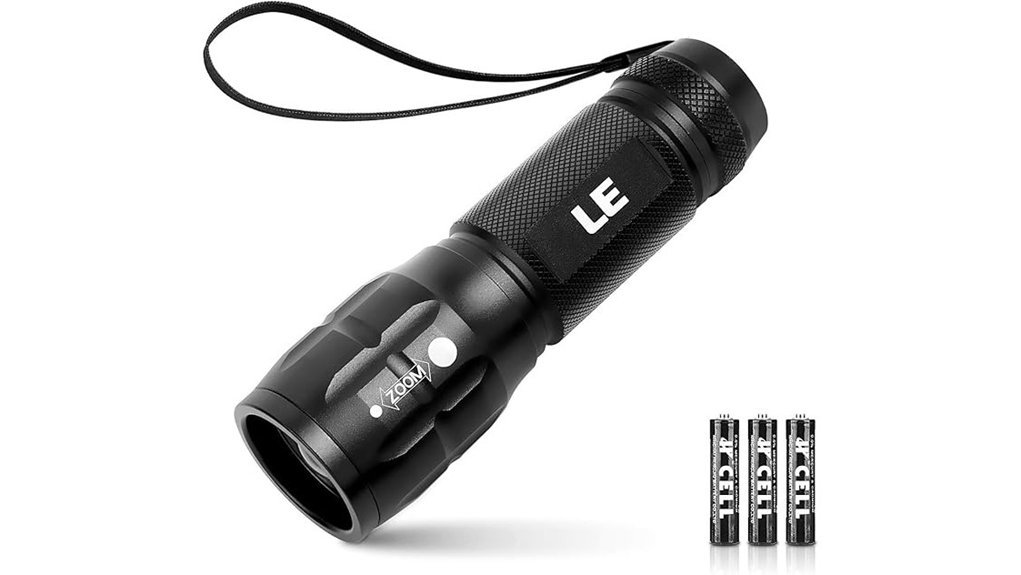
If you want a *pocket sized flashlight* that feels ready for real work, I’ve carried the Lighting EVER LED Flashlight on night walks and power outages. It punches above its weight like a small dog with a loud bark. You get 140 lumens with a beam that cuts out to 492 feet. I can spot fence lines and trail markers with ease. The zoom focus shifts from tight spot to wide flood in seconds.
The body feels cool and solid in your hand. It uses aluminum that resists rust and shrugs off drops. Rain beads on the surface with IPX4 water resistance. It runs on three AAA batteries that come in the box. The click switch feels crisp and easy to find in the dark. I keep one in my glove box and one in my pack.
Best For: You want a compact flashlight for everyday carry, camping, and emergency kits.
Pros:
- 140 lumen output with a long 492 foot beam
- Compact 4.2 inch body that slips into any pocket
- Aluminum shell that handles bumps and wet weather
- Zoom focus and light modes for close work or distance
Cons:
- Uses AAA batteries instead of a built in rechargeable cell
- Water resistance suits rain and splashes
- Output suits daily tasks more than high power search use
Blukar Rechargeable High Lumens LED Flashlight Zoomable
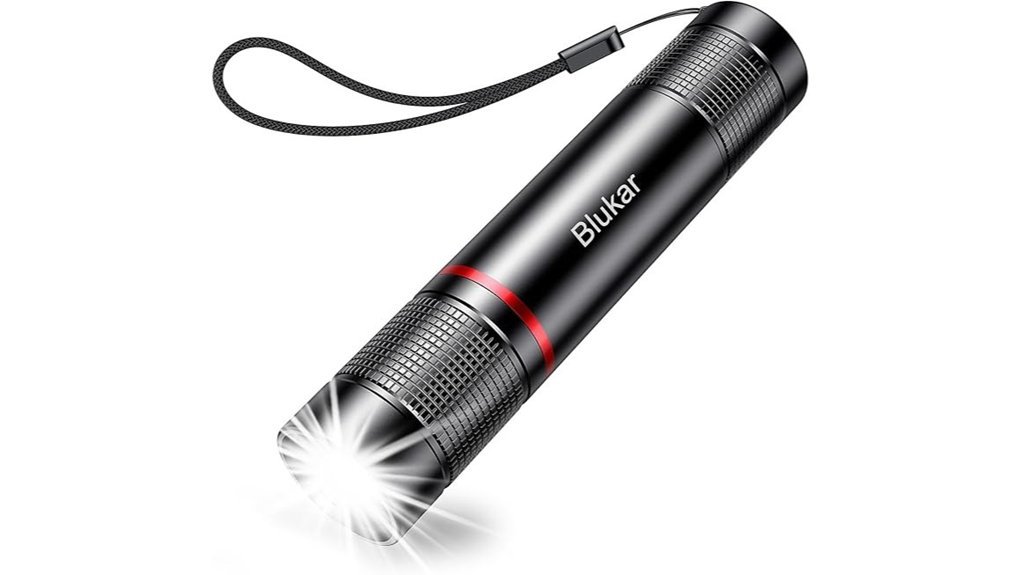
For hikers and emergency prep, I’ve carried the Blukar on dark trails and in tight rooms. It throws a *bright clean beam* that cuts like a knife. You get 2000 lumens and reach out to 590 feet. I tap through high, low, strobe, and SOS with ease. The zoom slides smooth under your thumb, tight spot or wide flood. The aluminum alloy body feels cool and solid in hand. It shrugs off bumps on rocky paths. The compact size slips into any pocket. The 1800 mAh battery runs long and sips power. USB C charging keeps it simple. Think of it as your pocket lighthouse.
Best For:
You hike, camp, or prep for outages. You want a compact light that punches above its weight. I grab it for night walks and glove box duty. It earns its keep, like a trusty sidekick.
Pros:
- 2000 lumen output with a 590 ft beam, you see far and wide
- Zoom focus and four modes, you adapt fast in any scene
- Aluminum body feels tough, USB C recharge is quick, up to 16 hours runtime
Cons:
- The 1800 mAh cell favors balance, high mode runtime feels shorter
- Built in battery suits daily carry, spare cell swaps suit longer trips
- Water rating info feels light, outdoor users may want clear specs
Blukar Rechargeable High Lumens Zoomable LED Flashlight
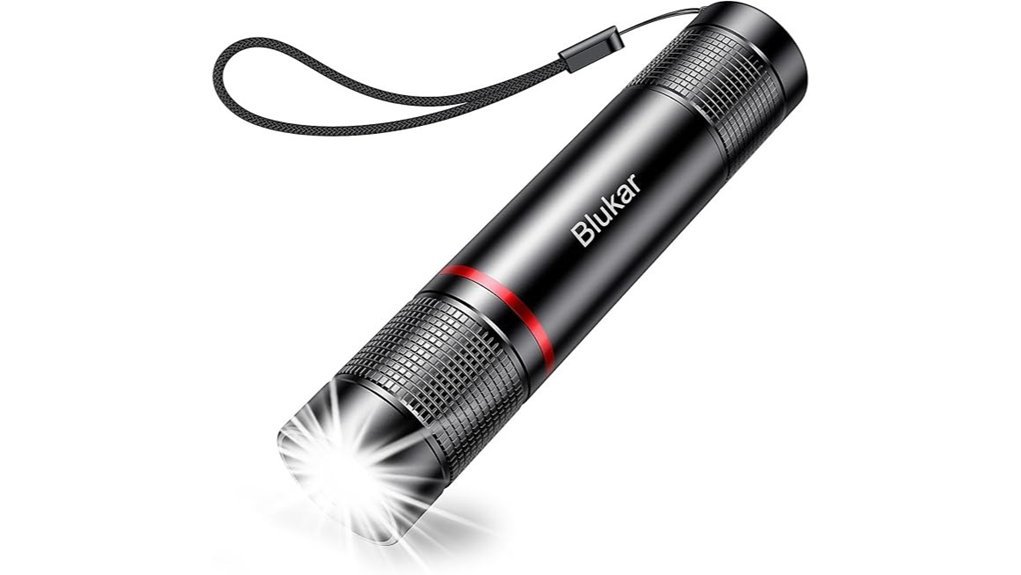
Need a pocket light that hits like a spotlight? I’ve carried this on damp night hikes and it cuts through dark like a hot knife through butter. You get 2000 lumens that feel sharp and clean. The beam stretches to 590 feet with a tight white core. I like the smooth zoom ring that shifts from wide flood to focused spot. The aluminum body feels cool and solid in your hand. It shrugs off bumps and keeps weight low. The 1800 mAh battery runs up to 16 hours and tops up fast with USB C. It’s a grab and go tool for camps, walks, and blackouts.
Best For:
You want a compact rechargeable flashlight for daily carry and quick emergencies. It shines bright without bulk.
Pros:
- 2000 lumens output with zoom for spot or flood, bright as a car headlight
- USB C charging with up to 16 hours runtime, simple and modern
- Aluminum body feels tough and light, slips into any pocket
Cons:
- Built in battery limits swap options in long trips
- High mode uses power fast during extended use
- Four modes feel basic for users who want fine control
TrixHub Rechargeable LED Flashlights 2-Pack with LCD Display
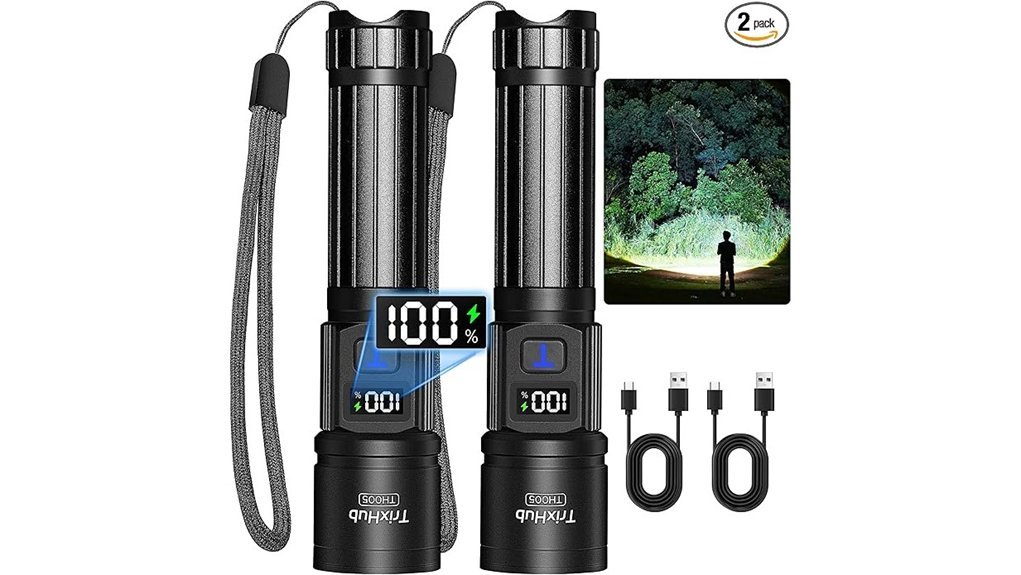
I carried this TrixHub 2 pack on night hikes and in my garage. It feels light in hand and the grip bites just right. Think of it as a pocket sun when you need one.
You get strong high lumen output from a focused LED chip. I saw a clean beam cut through fog and dust. Five modes cover real needs. High for distance. Medium for general use. Low for close work. Strobe and SOS for safety. The zoom ring slides smooth and snaps into place. I could flood a campsite or spot a trail marker with ease.
The LCD battery screen reads clear at a glance. I like seeing power drop in real time. Fast USB charging saves time and hassle. Built in circuits keep things safe and stable. The body uses aircraft grade aluminum. It feels cool and solid. It shrugs off drops and wet grass. The finish adds grip even with sweaty hands.
It stays compact and rides in a pocket with ease. I used it for dog walks and late repairs. It fits like a glove in tight spaces. Gift it and you hit the mark.
Best For: You want a reliable pocket light for camping, travel, home fixes, and emergency kits.
Pros:
- Bright beam with 5 modes and smooth zoom for any task
- LCD display shows battery life with quick USB recharge
- Tough aluminum body with water resistance and a sure grip
Cons:
- Mode cycling takes a few clicks for simple use
- Water resistance suits rain and splashes, deeper water asks for more
- Small size favors portability, some users enjoy a larger feel
High Lumen LED Tactical Flashlight for Outdoor Use
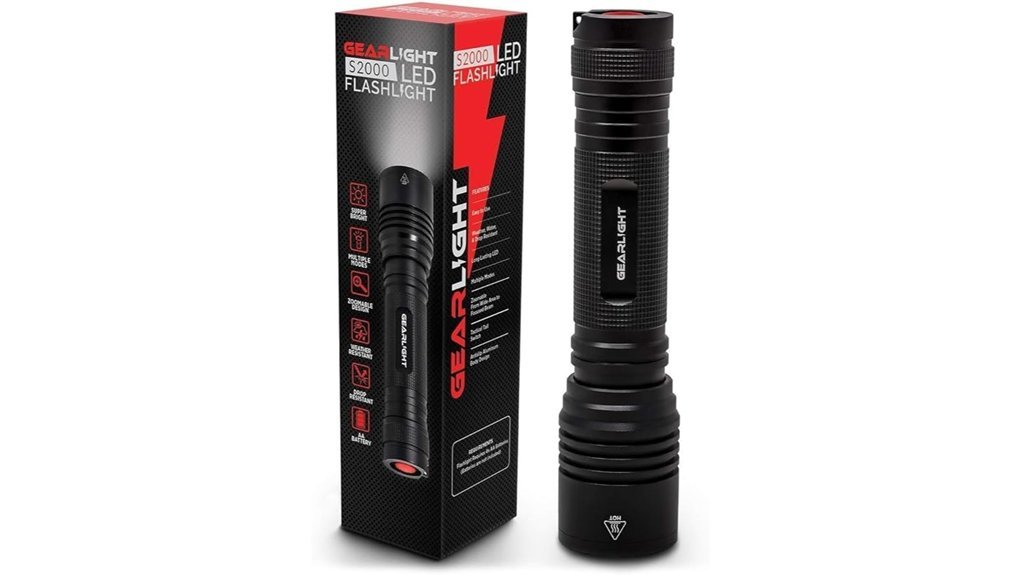
I carried this light on night hikes and storm checks. It hits hard for its size. The beam cuts through dark like a hot knife through butter.
This 1200 lumen tactical flashlight feels solid in your hand. The aluminum body stays cool and smooth. You hear a clean click on each mode change. It fits in a pack pocket with ease. You get reach up to 1000 feet in clear air.
Twist the head and shift from flood to spot. I use flood for camp tasks. I use spot to scan tree lines. The light stays steady with no flicker.
Three modes keep things simple. High blasts the trail. Medium saves power. Low works for close tasks. It runs on four AA cells and gives up to 10 hours on high.
Rain hits and it keeps going. The grip stays firm even when wet. It feels like a trusty sidekick in rough weather.
Best For: You want a bright compact light for hiking and emergency kits. You need fast control and strong reach.
Pros:
- 1200 lumens with long throw up to 1000 feet
- Adjustable zoom for flood or spot use
- Tough aluminum body with IPX4 water resistance
Cons:
- Uses 4 AA batteries which you need to carry
- IPX4 handles rain yet suits splashes rather than submersion
- Runtime shifts with battery type and mode
Quick Specs:
- Output, 1200 lumens
- Beam distance, up to 1000 feet
- Modes, high medium low
- Power, 4 AA batteries
- Body, aluminum
- Water rating, IPX4
If you want a compact light that punches above its weight, this one earns a spot in your kit.
Factors to Consider When Choosing a Lightweight Flashlight
When I test a lightweight flashlight, I start with brightness and beam distance****. You want a beam that cuts the dark like a hot knife through butter. I look for clear reach and a smooth hotspot. Your eyes should feel relaxed, not strained.
Next comes battery type and runtime. I’ve felt cheap cells fade mid hike, it kills the mood fast. Pick a power source that lasts through your trip. Rechargeable cells save money and feel convenient. Disposable cells offer quick swaps in the field.
Size matters in your pocket. Weight matters in your hand. A good light feels solid yet easy to carry all day. I like a grip that feels slightly textured, almost like fine sandpaper.
Durability tells the real story. I’ve dropped lights on rock and heard that sharp crack echo. Strong materials and water resistance keep things running in rain or mud. Look for sealed edges and tight buttons.
Modes and beam control add flexibility. You want quick access to low and high output. Zoom or focus can tighten or widen the beam. It helps in close work and long scans.
Quick checks before you buy:
- Lumens for brightness
- Beam distance for reach
- Battery type and runtime
- Weight and size for carry
- Water rating for wet use
- Mode options for control
Pick smart and your light becomes a trusty sidekick.
Brightness And Beam Range
Brightness And Beam Range****
I judge a flashlight by what I see at night. Brightness and beam range lead the pack. You feel it the moment you click it on, a sharp white burst that cuts the dark.
Lumens tell the power. You want enough for your job. I’ve used a 2000 lumen light that floods a trail like daylight. A 140 lumen beam feels soft and close. Pick based on your use.
Beam distance shows reach. Some lights hit 590 feet or more. That reach helps when you scan a field or check a tree line. It feels like throwing a rope of light into the dark.
Beam shape matters too.
- Wide beam lights up your hands and gear
- Focused beam reaches far targets
I switch shapes based on the task. Close work needs spread. Distance calls for a tight spot.
Zoom gives control. You twist or slide the head and shift fast. It feels smooth in hand, like tuning a lens.
Modes add flexibility.
- High for full power
- Low for longer runtime
- SOS for signals
You match light to the moment. That balance keeps your battery strong and your view clear. It’s the difference between guessing and seeing.
Battery Type And Runtime
Battery Type And Runtime****
I’ve run these lights in cold air and wet trails. The battery decides how long you keep that beam. It feels like fuel in a tank.
Alkaline cells fade fast. You see the beam soften and flicker. Lithium ion packs hold strong output. The light stays crisp and bright.
I’ve used an 1800mAh pack on long hikes. It can push *up to 16 hours* on low. Crank the output and it drains like a leaky bucket. High lumens feel great but cost time.
AA and AAA models vary a lot. Smart circuits stretch runtime. You get long service on modest use. Efficiency matters more than size.
You’ll notice heat on high modes. The body warms in your hand. Turbo and strobe chew through power.
Rechargeable lights add safety perks. They include overcharge control. That keeps performance steady over time.
Pick what fits your routine. Daily carry or weekend trips. You want light ready when you click.
Quick specs to check
- Battery type, lithium ion or alkaline
- Capacity, mAh rating
- Runtime on low and high
- Output, lumens level
- Charging method, USB or external
Choose with intent and you’ll *ensure* steady light every time.
Size And Weight
Size And Weight
I’ve carried dozens of flashlights on long hikes. Weight decides if you keep it or ditch it.
Pick a light under 150 grams. It feels easy in your pocket and light in your pack. You forget it is there until you need it.
Go compact. Aim for 4 to 6 inches in length. It slips into a glove box or jacket with ease. Think of it like a trusty pen that always shows up.
Grip matters in cold or rain. A body around 1 to 1.5 inches feels secure in your hand. The texture should feel slightly rough and grippy.
One hand use saves you. I’ve clicked lights on while holding ropes and gear. You want simple controls that respond with a soft click.
Materials set the feel. Aluminum feels cool and solid against your skin. Quality plastic feels light and smooth with zero rattle.
Here is what I look for at a glance:
- Weight: under 150 grams
- Length: 4 to 6 inches
- Diameter: 1 to 1.5 inches
- Body: aluminum or tough plastic
- Control: easy one hand switch
Get this balance right and your light rides along like a good pocket knife. Always ready. Always within reach.
Durability And Water Resistance
Durability And Water Resistance****
I’ve dropped lights on rock and heard that hard crack. Good ones shrug it off like a tank in a rainstorm. You want *aircraft grade aluminum*. It feels cold and solid in your hand. It resists dents and fights rust over time.
Check the impact rating. Aim for drops onto stone without failure. A compact body helps your grip. Wet hands still hold firm. Mud wipes off fast. That’s gear you trust.
Water matters just as much. Rain hits hard and gear gets soaked. Look for an *IPX rating*. IPX4 handles splashes from any angle. You keep moving through storms with confidence.
I also check the internals. Good circuit protection keeps things safe. Overcharge protection extends battery life. Short circuit protection adds peace of mind.
What to look for:
- Aircraft grade aluminum body
- Rated drop resistance
- IPX4 or higher water resistance
- Built in circuit protection
Cold air bites your fingers. The light still clicks on. That’s the kind of performance you want every time.
Lighting Modes And Zoom
Lighting Modes And Zoom
Why stick with one beam when you can shape the light to fit the moment? I’ve tested lights in rain and dust, and control makes all the difference. You want modes like *High*, *Low*, *Strobe*, and *SOS* at your thumb.
High mode blasts out near 2000 lumens. It cuts through dark woods like a hot knife through butter. Low mode feels soft on the eyes. It works great for close tasks like gear checks.
A zoomable beam gives you real range. Twist the head and you feel the grip bite slightly. Go tight for distance. Go wide for a flood that fills your path.
That shift matters in the field. One second you scan far hills. Next you fix a strap at arm’s length.
Runtime tells the real story. I track this on every trip. Lower modes can stretch to 16 hours. That steady glow keeps you moving long after sunset.
Use brightness with intent. Use focus with care. You get better visibility and smarter power use every time.
Charging And Power Options
Charging and Power Options
Power keeps your beam alive. I’ve felt that cold click when a light fades mid trail. Choose your setup like you choose your boots.
Pick your battery type first. You get two clear paths. Disposable cells or rechargeables. I use rechargeables for daily carry. They save cash and time.
Many compact lights pack built in batteries. USB charging makes life easy. Plug into a power bank. Top up in your car. Use your laptop at camp. It feels simple and quick.
Runtime tells the real story. Some lights run up to 16 hours on a steady mode. That means fewer stops and less fuss. I track runtime on every trip.
Battery chemistry matters. Lithium ion holds more energy per gram. It also lasts longer over many cycles. Alkaline feels cheap and familiar. It drains faster in cold air.
Heat and safety count. Look for overcharge protection. Look for heat cutoffs. Your hand should feel warm at most. A good circuit keeps things calm.
*Quick checks I use in the field:*
- Battery type, lithium ion or alkaline
- Charging port, USB C feels fastest
- Runtime, hours on medium mode
- Safety, overcharge and heat guard
- Spare plan, extra cell or power bank
Think of power as your fuel tank. Keep it full and your beam stays sharp.
Conclusion
You want a flashlight that works when the lights drop. I’ve tested these in rain, mud, and dead silent trails. The grip feels solid in cold hands. The click switch sounds crisp and sure. *That kind of feedback builds trust fast.*
Each pick gives you bright output and low carry weight. You get waterproof seals that shrug off splashes. You get zoom beams that snap from flood to spot. You get rechargeable cells that cut battery waste. Simple gear that pulls its weight.
Here’s what matters in the field:
- Brightness, measured in lumens, for clear vision at distance
- Beam control, spot for reach and flood for close work
- Battery type, USB recharge or common cells for quick swaps
- Water resistance, seals that handle rain and drops
- Size and weight, pocket carry that feels easy all day
I’ve used these during outages and late hikes. The beam cuts through dark like a knife through butter. You hear the faint hum of electronics. You feel the warmth after long use. *That sensory feedback tells you it’s working hard.*
Carry one daily. Keep one by your bed. Stash one in your pack. Light on demand changes everything. You stay ready at home or on the trail. You act fast when power fails. That peace of mind is worth every ounce.